

Summary
Marvel’s Wolverine is a visually stunning, brutal superhero adventure that captures Logan’s emotional complexity through strong performances and a compelling story. However, repetitive combat, limited exploration, basic puzzles, and a lack of mechanical depth prevent Insomniac Games’ latest from becoming the definitive Wolverine experience.
Overall
-
Narratives
-
Visuals
-
Replayability
-
Gameplay
Wolverine seems perfectly suited to a video game. Logan has retractable adamantium claws, heightened senses, and a healing factor that allows him to survive terrible injuries. But his greatest struggle is not physical. He fears that violence may be the truest part of him.
Insomniac Games understands this conflict. Marvel’s Wolverine is bloody, colorful, and emotional, showing clear affection for the character’s comic book history. It presents Logan as more than a gruff fighter who delivers one-liners before attacking. He is tired, defensive, unexpectedly funny, and afraid of becoming the monster others believe him to be.
Yet the game is more familiar than its hero deserves. Beneath its striking presentation and strong performances lies a conventional third-person action-adventure game. Missions follow mostly linear paths, combat arenas repeat, puzzle video games are simple, and exploration is limited. The result is exciting and occasionally moving, but not always as bold as Wolverine himself.
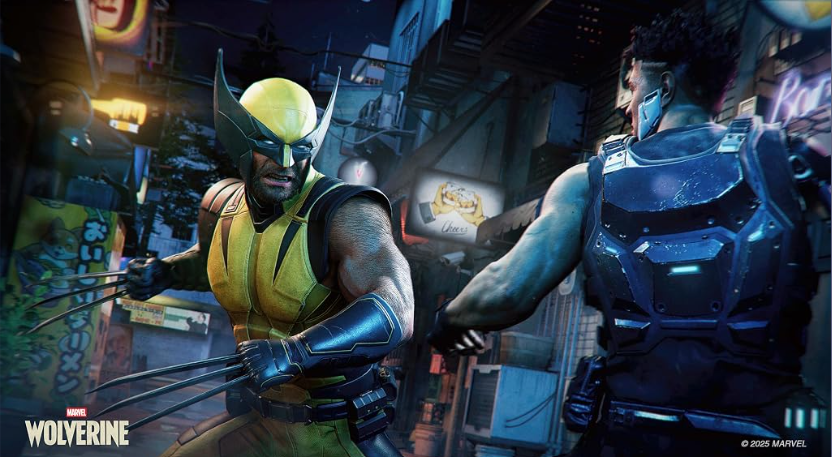
After about 15 hours, Marvel’s Wolverine stands as an enjoyable superhero adventure with flashes of greatness.
Its story and characters are stronger than its systems. Its cities look beautiful but remain difficult to explore, while its ideas about rage and self-control clash with gameplay that rewards Logan for giving in to violence.
Set before the formation of the X-Men, the game follows Logan as he becomes involved with Team X, a mutant task force that once included Sabretooth and Mystique. The team was created by Nathaniel Essex, an intelligent and unsettling figure whose influence still shapes the lives of its former members.
When Essex is kidnapped by Bolivar Trask, a mutant-hating industrialist seeking greater technological power, Logan is pulled into a global investigation. What begins as a rescue mission becomes a story about identity, mutant survival, and the hidden parts of Logan’s past.
The plot uses familiar superhero ingredients: conspiracies, Sentinels, secret experiments, persecution, and warnings about humanity’s future. These elements give the characters reasons to confront their memories and loyalties, but the story works best when it focuses on personal relationships. The larger threats matter most when they affect Logan and the people around him.
Liam McIntyre gives Logan a convincing voice, balancing anger, exhaustion, and reluctant warmth. This Wolverine is intimidating, but he is not a caricature of masculine suffering. He can sound dangerous when threatening an enemy, while quieter scenes reveal a more vulnerable person.
Logan uses anger as a shield. He becomes aggressive when he feels exposed and pushes people away when he starts to care about them. The writing also allows him to be awkward and playful. Those moments matter because they make him feel like a person rather than a machine built for combat.
The animation reinforces this characterization. Logan moves cautiously during conversations, as if he expects the world to hurt him despite his ability to survive almost anything. In battle, he becomes faster and more animalistic. His posture changes depending on whether he is trying to connect with someone or preparing to become a weapon.
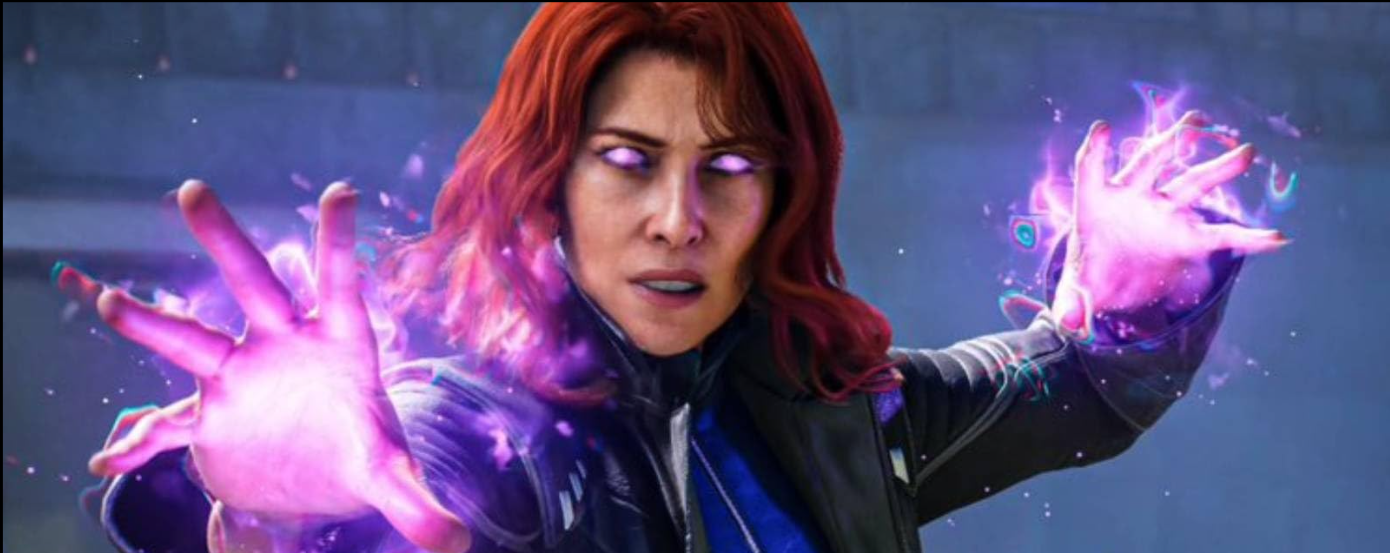
Jean Grey is central to his emotional journey. Her telepathic and telekinetic powers help during action sequences, but her deeper importance lies in how she understands Logan. Jean sees the pain beneath his anger without excusing the harm he causes. She challenges him to believe that his past does not define him.
Krizia Bajos gives Jean a calm, grounded presence. She is compassionate but not naïve. She understands the responsibility of protecting mutants and still believes people can change. Her relationship with Logan leads to several of the game’s strongest scenes.
Their romance sometimes develops too quickly, and the short story asks it to carry considerable emotional weight. Even so, the performances make their connection believable. A quiet scene in a snowy cabin says more about Logan’s need for closeness than many of the game’s loudest battles.
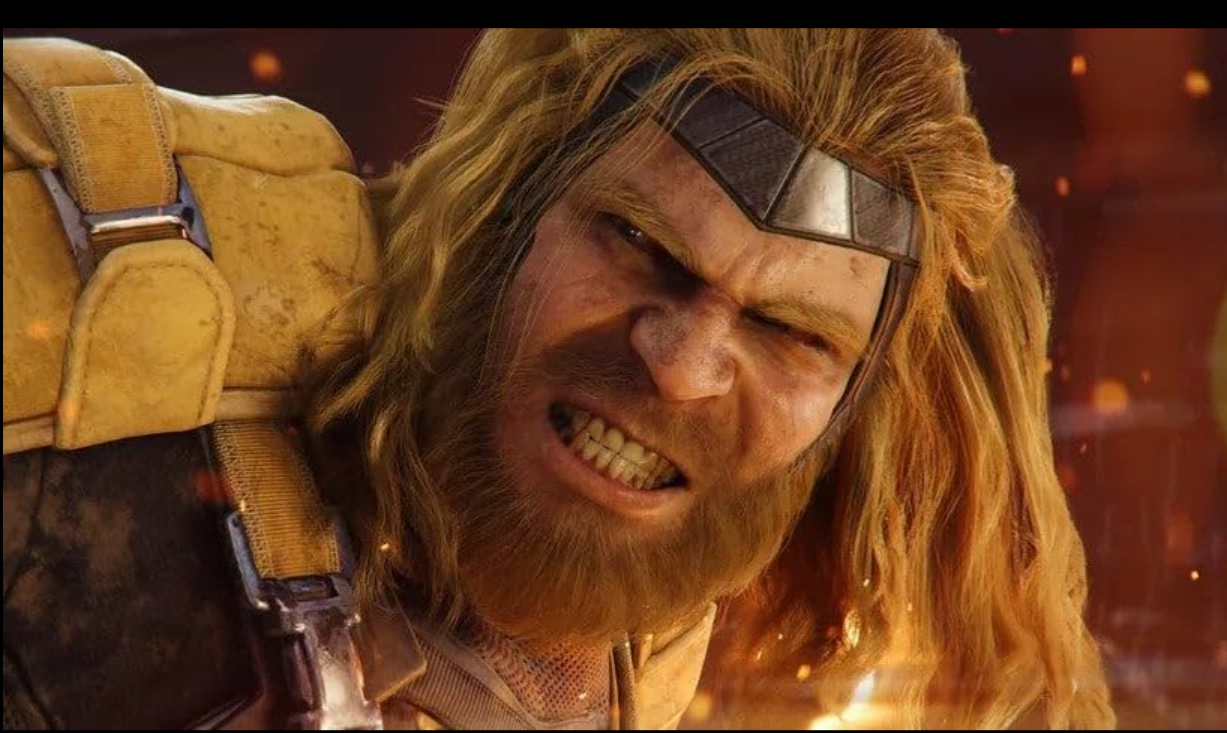
Sabretooth offers another revealing reflection of Logan. Victor Creed is not merely a rival waiting for a boss fight. He represents the version of Logan that has accepted violence as his identity. Their relationship mixes resentment, familiarity, envy, and an uneasy sense of family.
The game is strongest when this history sits beneath their arguments. Sabretooth knows Logan in a way few others do, and Logan understands the danger of becoming like him. Some scenes fall back on threats and punches, but the emotional foundation remains effective.
Mystique also has memorable moments. Her connection to Logan’s past gives the story a quieter sadness, especially as the consequences of Essex’s influence emerge. Essex himself is compelling: he appears warm and sincere, but his kindness always feels threatening. He knows how to exploit people’s fears while making them believe he is helping.
The supporting cast is less consistent. Some characters arrive with the weight of Marvel Universe history, provide information, and then disappear. A long section involving the Hand brings colorful ninja action but feels detached from the main story. By the final third, the game shifts from a personal Wolverine story toward a broader X-Men origin tale.
That expansion creates excitement for longtime fans, but it weakens the emotional focus. The game is most powerful when it asks what Logan wants and fears. It is less effective when it pauses to explain the future of an entire mutant universe.
The treatment of Logan’s trauma is uneven, too. Important memories are connected to optional activities such as timed parkour challenges and combat trials. These activities add context, but tying painful experiences to rewards can feel uncomfortable. Trauma becomes another collectible to unlock.
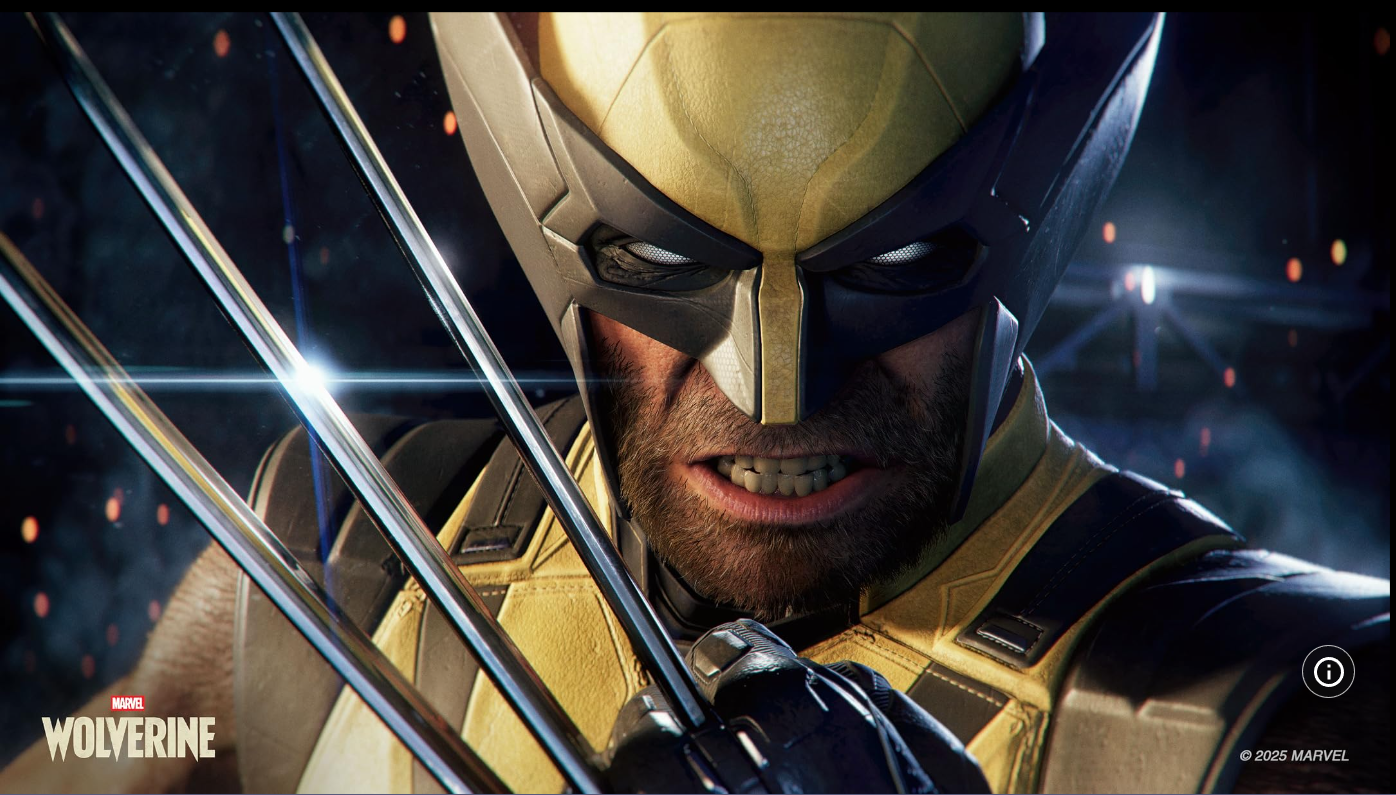
Visually, Marvel’s Wolverine is often impressive. Insomniac avoids making Logan’s world entirely gray and miserable. The game is violent, but it is also bright, colorful, and full of comic-book character.
Logan’s yellow costume stands out against snowy forests, industrial laboratories, Tokyo rooftops, and the neon streets of Madripoor. Sentinels and other machines retain recognizable comic-book designs. The result looks unmistakably Marvel while giving its violence a harsher, more grounded feel.
The 3D modeling of characters is especially detailed. Logan’s compact, powerful build distinguishes him from many superhero leads. Dirt, bruises, and blood build up on his face during fights. These details emphasize the punishment his body takes, even when his healing factor allows him to keep going.
Madripoor is the most memorable setting. Its crowded streets glow with signs and feel full of rough bars and dark corners. Tokyo offers a different mood, mixing quiet natural spaces with bright urban scenes. A nighttime rooftop chase is one of the game’s most cinematic sequences, though it is more scripted than interactive.
The violence is not softened. Logan’s claws cut through armor, pierce enemies, and tear into bodies. He grabs opponents, throws them against walls, and attacks with animal speed. Environments also break during fights, making Logan feel like a powerful physical presence.
More than 30 unlockable costumes draw on different periods of Wolverine’s comic-book history. Players can combine outfits with separate claw designs. Some costumes will be familiar to casual fans, while others reward players who know the character’s history. The feature is not central, but it reflects the developers’ affection for Wolverine.
Large set pieces are technically impressive. Battles against giant enemies, clashes with superpowered rivals, and the final act’s display of mutant abilities show Insomniac’s skill with spectacle.
The climax, however, sometimes loses momentum. Flashbacks and explanations interrupt the action, and the story pauses to repeat ideas that earlier scenes have already established. The final battle should complete Logan’s emotional journey, but it can feel crowded by efforts to set up a larger universe.
Combat is exciting in the opening hours. Logan can dodge, parry, leap, and move quickly between enemies. His leap attack helps him close the distance on ranged opponents before they become a serious threat.
Experience points unlock techniques, while DNA strands improve health, cooldowns, and other abilities. Logan’s healing factor keeps the action moving because he can recover during fights instead of constantly searching for health items. It also reinforces the sense that he is no ordinary fighter.
The rage meter is the system’s defining feature. Taking or dealing damage, as well as successfully parrying attacks, builds rage. Each level makes Logan stronger. At its highest level, he can chain executions together and tear through enemies with frightening speed.
These sequences connect the player to Logan’s conflict. He gives himself over to the monster, and the player does too. The screen changes, the action intensifies, and Logan seems almost impossible to stop.
But the system’s limits become clearer over time. Combat relies on familiar tools: light and heavy attacks, dodges, parries, special abilities, and cooldowns. These mechanics work, but they do not develop into anything especially original. The game rarely asks players to make meaningful choices. Most important abilities arrive early, while later upgrades add attacks without changing how encounters work.
On the default difficulty, many fights can be handled by repeating the same actions. Players can parry often, leap toward ranged enemies, and use special abilities whenever they become available. The parry window is generous, and repeated defensive inputs can carry Logan through crowded battles.
Enemy attacks can also feel inconsistent. Opponents sometimes continue attacking while Logan’s claws are buried in them, making his weapons feel less lethal than they should. At times, adamantium claws seem more like needles than blades.
Special abilities add power. Logan can spin through a group, interrupt attacks with a leaping knee, grab opponents, or turn rage into healing. These options are useful, but they often feel separate from one another. Players use them as individual cooldowns rather than combining them into a distinctive fighting style.
This is a notable contrast with Insomniac’s Marvel’s Spider-Man games, where abilities connected naturally. Players could launch enemies, chase them across an arena, pull them back, slam them into walls, and keep moving in one fluid rhythm.
Wolverine should not fight exactly like Spider-Man. His style should be heavier, more direct, and more brutal. But it still needs its own satisfying rhythm. Too often, Logan feels awkward without that awkwardness serving a clear purpose.
Enemies offer some variety. Snipers force Logan to move, brutes can take more punishment, and enhanced soldiers demand better timing. Different enemy types can create tension when they appear together, because players must decide which targets to handle first.
Still, many missions repeat the same pattern: travel through a corridor, enter a flat arena, fight melee enemies, dodge projectiles, and leap toward distant attackers. By the later chapters, another battle can feel less like a chance to enjoy Logan’s power and more like a delay before the next story scene.
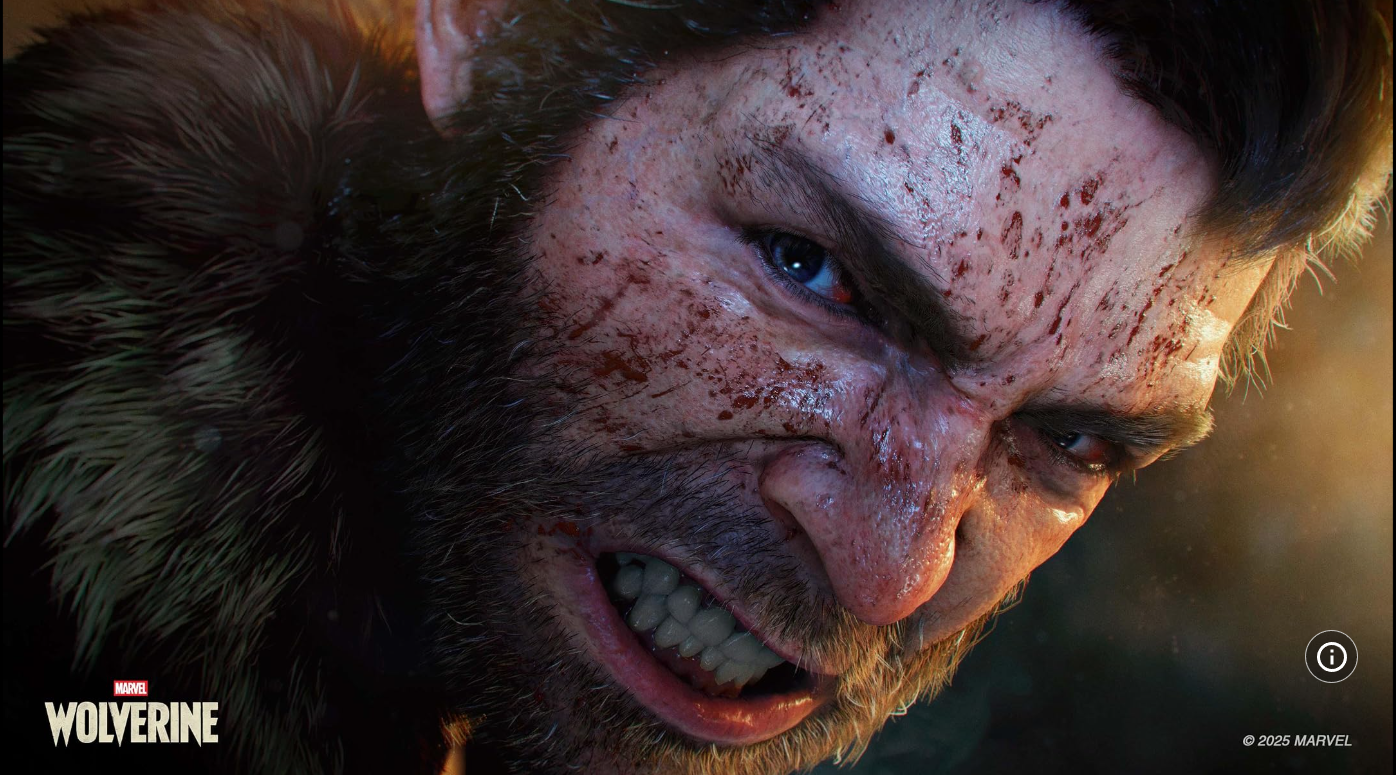
A focused campaign is not a problem by itself. Logan is a wandering character, and another enormous open world might not have suited him. But the game controls its locations so tightly that they often feel like movie sets.
Madripoor and Tokyo are visually rich, yet players remain close to mission routes. Locked doors, invisible walls, and narrow paths discourage curiosity. The locations look worth exploring, but the game rarely allows players to do so.
This is disappointing after Insomniac’s Marvel’s Spider-Man games. Manhattan felt alive because players could travel freely and discover details beyond the main missions. In Marvel’s Wolverine, the cities are attractive but distant. They are made to be viewed more than experienced.
Traversal uses guided platforming similar to Uncharted. Logan climbs surfaces, jumps between handholds, swings from poles and branches, and crosses rooftops. These actions are easy to follow, but they rarely feel exciting.
His main movement advantage is a large jump. The game gives him no truly memorable way to travel. Jean even offers to fly him across a city or to a higher location, but he refuses because the player must take the longer route.
Stealth game mechanics appear in certain sections but never become a meaningful system. Escape sequences and desperate climbs work better because of their dramatic situations than because of their mechanics.
Outside combat, interaction is simple. Collectibles, whisky bottles, costume materials, and optional challenges fill side rooms, but they do little to make the world feel alive. Logan’s heightened senses usually reveal glowing trails that lead directly to an objective.
Puzzles are just as basic. In one early sequence, players collect children’s drawings to uncover a password. Logan explains the answer as soon as the drawings are found. What appears to be an investigation becomes a scavenger hunt with little deduction.
Nightmare Trials offer the most interesting change of pace. They mix combat challenges, traversal tests, score chasing, and modifiers for a tougher experience. They make better use of the game’s systems, though linking Logan’s memories to completing them remains an uncomfortable choice.
There are hints of a stronger game in destructible model towns, rooftop infiltration routes, and areas that allow limited stealth. The campaign simply does not develop these ideas far enough.
The central theme is Logan’s relationship with violence. Jean encourages him to believe he is more than a weapon. Sabretooth urges him to accept violence as his true nature. Logan fears that, once he gives in, he may never return.
The gameplay sends a different message. Rage is powerful, useful, and rewarding. There is no meaningful system for restraint, no lasting consequence for brutal attacks, and no serious alternative to violence. Players are constantly encouraged to embrace the part of Logan that the story says he should fear.
This conflict does not ruin the experience, but it weakens the game’s most ambitious idea. Marvel’s Wolverine wants violence to feel exciting and tragic at once. It invites players to enjoy Logan’s power while questioning what that power does to him.
Yet the game never asks players to confront that tension in a meaningful way. When a cutscene treats Logan’s brutality as a moral crisis, it can feel disconnected from the action that came before. The story says losing control is dangerous; the combat says losing control is the best way to win.
Marvel’s Wolverine is a good superhero adventure and a strong interpretation of Logan. Its presentation is beautiful, its world is colorful, and its performances give the story emotional weight. Liam McIntyre brings depth to Wolverine, while Jean, Sabretooth, Mystique, and Essex add tension to his journey.
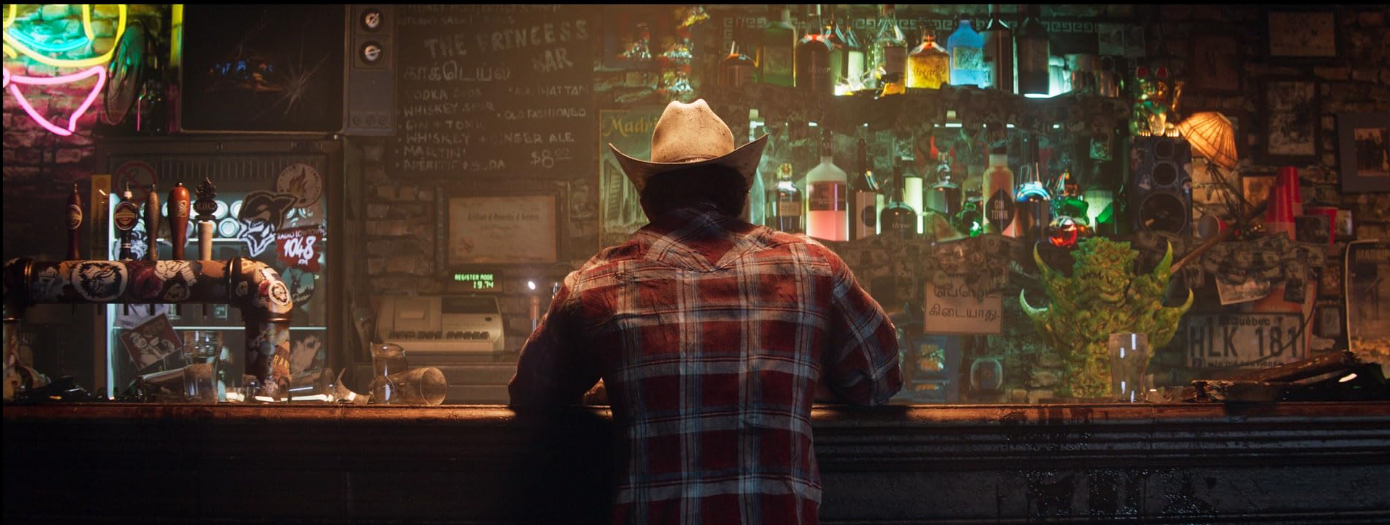
The game is at its best when it slows down. Quiet conversations, personal conflicts, and moments of vulnerability reveal a Logan who is more than a weapon. These scenes make him feel human and give the larger superhero story a personal center.
The gameplay is less impressive. Combat starts with energy but grows repetitive. Traversal is limited, puzzles are simple, and the world rarely feels open. Missions are carefully presented but often lack surprises. Most damaging, the mechanics reward the loss of control that the story treats as tragic.
Insomniac has created a polished, brutal, and affectionate Wolverine game. It understands Logan’s pain and delivers the spectacle fans expect. But it does not give players enough freedom, creativity, or mechanical depth to match his complicated nature.
Marvel’s Wolverine is enjoyable, impressive, and occasionally moving. It is not yet the definitive Wolverine game.
Score: 7/10