

Every so often, a video game comes along that challenges not just players’ skills but their expectations of what a story can achieve. With Marvel’s Wolverine, Insomniac Games attempts exactly that. They raise the bar for how superhero action can thrive alongside character, violence, and consequence. The developers clearly understand that Logan is far more than a weapon with claws, and they shape his journey into one of pain, rage, and the stubborn hope of redemption. The game weaves brutality and reflection together, capturing the core contradictions that have made Wolverine a perennial favorite in Marvel’s universe.
The trailer does not pull punches: we see Logan caught in frenzied close combat, his claws flashing and blood spraying. Yet there’s a sense of weight in every strike, a reality grounded in both technology and storytelling. The “blood tech” system represents a significant technical leap: now, wounds and gore are rendered as meaningful events, not mere spectacle. As Logan dismembers adversaries, the effect is simultaneously unsettling and honest. This serves as a reminder that his violence always comes at a cost. The willingness to be graphic strips away the comfortable conventions that so often shield superhero games from their characters’ dark realities.
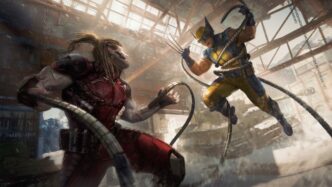
Supporting characters play a critical role in furthering these themes. Allies and adversaries alike are drawn with care and consistency. Villains like Omega Red and Mystique are present as echoes of Logan’s own fractured sense of loyalty and identity. Their interactions are flavored with history, giving each confrontation its own emotional resonance. As we watch these old enmities unfold, the game carefully reveals pieces of Logan’s backstory. This strategy draws from the more mature arcs throughout Wolverine’s comic run, replacing tidy resolutions or melodramatic tropes with complexity.
Even the visual presentation feels selected to serve the narrative. Gone are the oversaturated palettes common to comic-inspired titles. Instead, the environments reflect the broken, thorny internal landscapes of the protagonist. From the frozen stillness of a Canadian forest to the neon glare of nighttime Tokyo, each setting matches the polarity within Logan himself. When Logan is at his most uncontrolled, the Canadian wilderness feels both freeing and isolating. When old ghosts chase him through city alleyways, the environment constricts, echoing his unresolved conflict.
From the frozen stillness of a Canadian forest to the neon glare of nighttime Tokyo, each setting matches the polarity within Logan himself.
Gameplay, meanwhile, draws thoughtful parallels with Insomniac’s previous successes. Much like their Spider-Man, there is fluidity in movement and combat. But where the former emphasized agility and acrobatics, Marvel’s Wolverine is defined by its sheer physicality. Attacks are decisive, brutal, and unpolished, reinforcing the sense that Logan’s body is both his weapon and his prison. Health does not simply regenerate between battles—a clever means of keeping players aware of Wolverine’s resilience and vulnerability. Some missions allow for stealth gameplay, showcasing Logan’s predator instincts, while others plunge him into chaos.
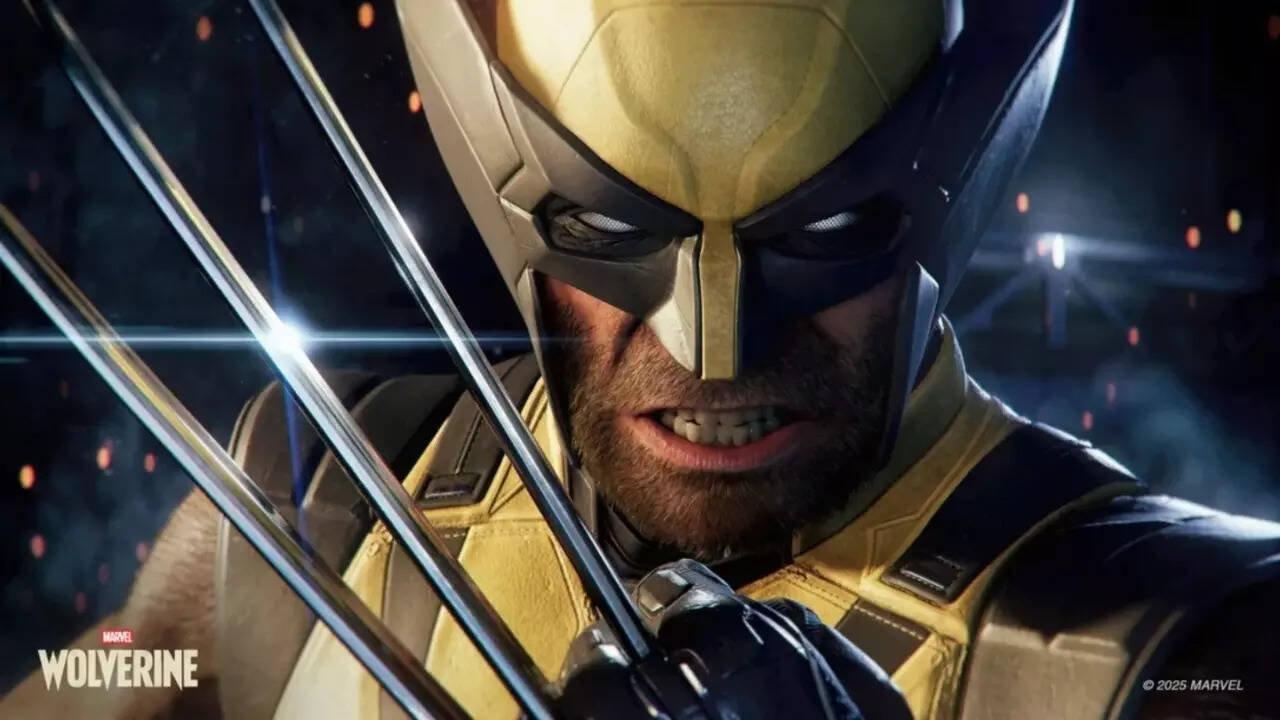
The reintroduction of the classic yellow-and-black suit stands out. Where other games might use nostalgia as a shortcut, Insomniac uses it to root the story in the conflicted history that defines Wolverine’s character. It’s a reminder that Logan is always influenced by who he once was, even as he changes and adapts. This sense of continuity ties the narrative together.
Throughout, the pacing settles into a rhythm reminiscent of venerable graphic novels or the more somber X-Men films. Action sequences are not relentless but carefully placed, punctuated by moments of quiet reflection. Logan is not always in motion—sometimes the most important scenes take place in silence. These pauses draw us closer to the character, replacing awe with empathy.
Action is never far away, but it is always framed by vulnerability. Motorcycle chases and showdowns against towering Sentinels inject spectacle, but the aftermath forces both player and protagonist to reckon with exhaustion. As Logan emerges from battle, we see subtle storytelling at work—facial expressions, staggered breathing, moments of recovery. These details humanize him, preventing the game from lapsing into power fantasy territory. Instead, players are asked to inhabit the same emotional space as Logan and feel the weight of each choice.
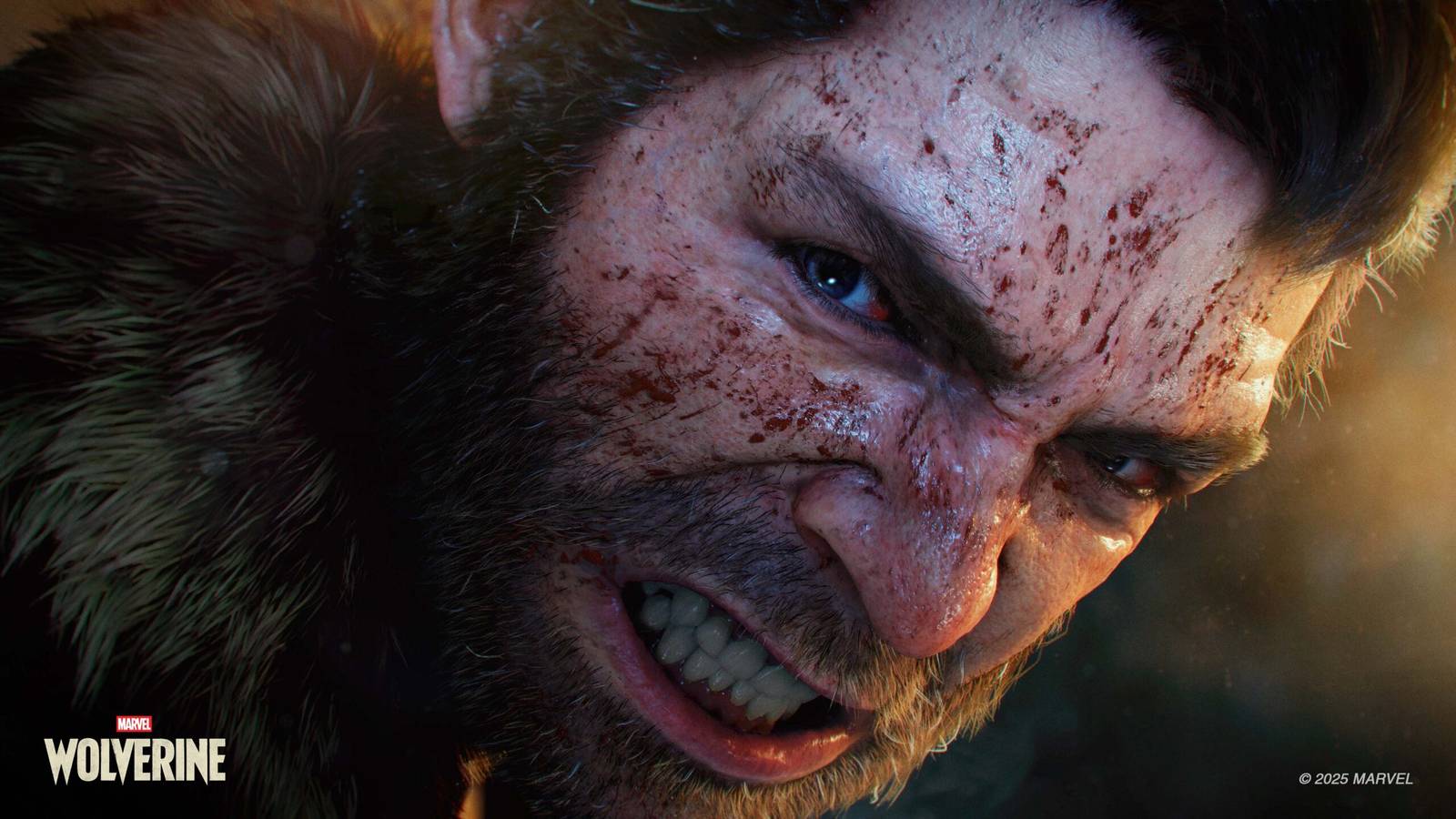

But the game refuses to be defined by violence alone. If Logan’s claws are sharp and unrelenting, so are his memories. At his core, he is a man haunted by fragments of a past he cannot quite escape. This inner torment is drawn with care, most notably through the work of Liam McIntyre, whose performance as Wolverine stands out for its restraint and wounded humanity. Rather than painting Logan as an unconstrained animal, McIntyre gives him depth and regret. In every growl, every low-voiced line, there’s an undercurrent of exhaustion and determination.
Technical execution meshes seamlessly with narrative and design. Utilizing the PlayStation 5’s capabilities, the team at Insomniac achieves an unprecedented level of detail. The glint of metal on Logan’s claws or the rippling tension of muscles under torn skin are but a few examples. But this graphical precision underlines the seriousness with which the story treats violence.
What stands out most in the experience, however, is the game’s refusal to offer easy answers. Logan is never portrayed as infallible—uncertainty and regret follow him everywhere. In quieter moments, we witness him replaying memories, wrestling with unsolved questions about morality and justice. These narrative beats are never rushed. The effect is cumulative, transforming Logan from a symbol of violence into a deeply flawed protagonist.
Logan is never portrayed as infallible—uncertainty and regret follow him everywhere.
The upcoming release promises even greater insight into Logan’s world. Insomniac has hinted at deeper dives into the gameplay and narrative before launch. So far, fan response has been both passionate and respectful—a testament to how eagerly audiences crave an unvarnished exploration of Wolverine’s legacy. The early footage’s M rating and uncompromising tone have already sparked discussion, signaling that this game might become the standard against which all future superhero adaptations are judged.
In the final analysis, Marvel’s Wolverine is not a simple hero’s tale. It’s a somber meditation on what it means to fight without respite, earn redemption in small increments, and carry the scars of that struggle. Every design choice, from the raw brutality of its action sequences to the subtlety of its character moments, is shaped by a coherent vision: to honor Wolverine’s legacy with the honesty and grit it demands.