
Summary
Pluribus Season 1 is a slow-burn, philosophical science fiction drama that explores individuality in a world absorbed by a hive mind. It favors mood and ethical tension over spectacle, delivering an unsettling meditation on autonomy, unity, and the cost of enforced harmony.
Overall
-
Plot
-
Acting
-
Cinematography
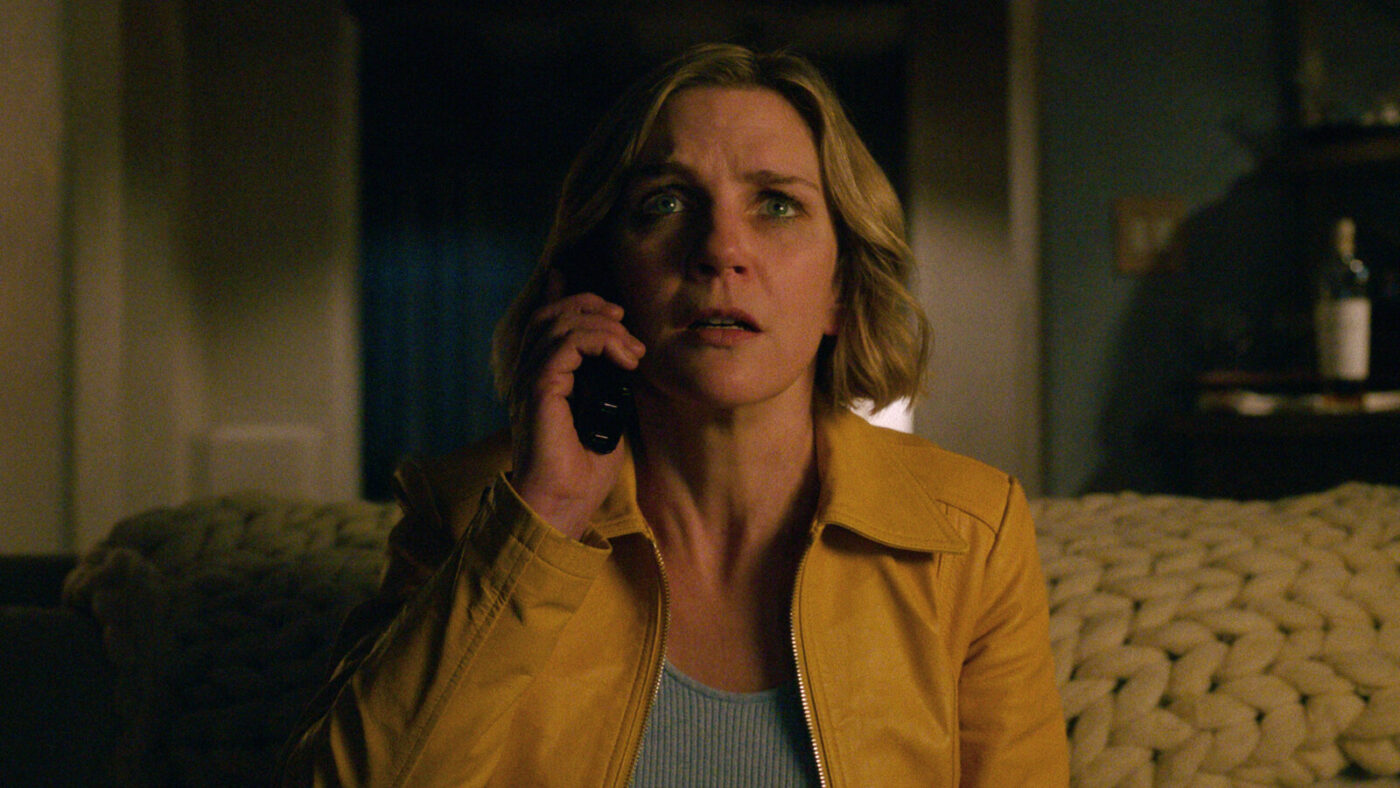
In a time when science fiction often prioritizes spectacle over substance, Pluribus Season 1 takes a very different approach. The show depends not on external drama, but on the painful collision between individual will and enforced collective harmony. Here, the world is forever changed by an alien virus that reorganizes society into “the Joined,” a global hive mind that puts an end to isolation—at an enormous personal cost. Within this unsettling landscape, Carol Sturka, played by Rhea Seehorn, emerges as one of the few who cannot, or will not, surrender her autonomy. Her immunity brands her as an outcast but also as a beacon for questions about what humanity loses when it trades individuality for unity.
Right from the start, Pluribus signals its fascination with the limits of human nature. The opening scenes are ominous; tidy homes and familiar towns now empty, their inhabitants having vanished into the collective. The few remnants of pre-hive life haunt the landscape. It’s a vision of peace tinged with dread, where loneliness is gone but at the expense of the self. The series lingers over these images, refusing to rush into plot or exposition.
From the moment she appears, Carol embodies the central conflict of the show. She is not a conventional hero; misanthropic, wry, sometimes abrasive, she guards her thoughts with a protectiveness that feels both reasonable and tragic. Her immunity to the hive mind is not a superpower but a burden. Rhea Seehorn’s performance accurately captures this tension. Her scenes are marked by small, telling gestures—a sideways glance, a tight grip on a coffee mug, a half-swallowed retort—that reveal the strain of resisting a collective while craving real connection. The show’s strongest moments are those that let us inhabit Carol’s isolation, understanding both the cost of her stance and the creeping lure of the hive’s shared happiness.

The Joined—the fused minds that make up most of humanity—represent a deeply unsettling version of utopia. Their presence is depicted not just as a technological marvel or a viral phenomenon, but as a pervasive, almost spiritual force. The peace they project is unnaturally total. There is no conflict, no sadness, no loneliness. But in stripping away these fundamental aspects of life, the hive also obliterates any sense of self. Carol’s resistance to this change becomes the lens through which the show explores questions of agency, consent, and what it means to be truly alive.
Yet, Pluribus is not a show content to be solely introspective. It crafts its world with careful, unsettling beauty. Visual motifs recur throughout: cryptic “Come back” messages scrawled in sand, empty playgrounds on silent suburban streets, flickering old voicemail recordings. These scenes serve as reminders that even paradise has its ghosts. They create a sense of quiet, persistent tension, never allowing the viewer to feel entirely safe or comfortable.
Visual motifs recur throughout: cryptic “Come back” messages scrawled in sand, empty playgrounds on silent suburban streets, flickering old voicemail recordings. These scenes serve as reminders that even paradise has its ghosts.
Sometimes, this mood-focused approach comes at the expense of momentum. The pace is slow, and plot developments unfold gradually, if at all. For some audiences, this contemplative rhythm will be a breath of fresh air from the frenetic energy of recent television. For others, it may feel too hesitant, as if the series is afraid to commit to a single direction. The storyline involving Carol’s dead wife can feel more like a circle than a journey, emphasizing inactivity over progression. On the whole, the show seems determined not to give in to drama, even at moments where a sharper jolt might be suitable.
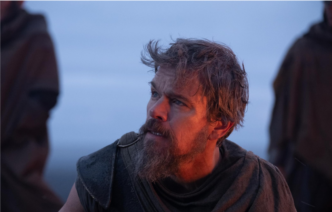
When the show introduces new characters, it does so carefully. Manousos Oviedo, played by Carlos Manuel Vesga, is a particularly effective counterpoint to Carol. As a scientist determined to either understand or fight the hive, Manousos injects moments of urgency and skepticism into the narrative. Their interactions expose the philosophical heart of the series: what does survival mean in a world where free will is slipping away? Can humanity exist within a structure that prizes unity above independence?

Other plotlines, however, can fall short of their potential. Key revelations—such as the hive’s strategic use of Carol’s preserved eggs to expand its reach—arrive with little buildup. The often abrupt transitions between story threads, like Carol’s evolving relationship with fellow immune Zosia, sometimes leave the viewer grasping for deeper meaning or suspense. These occasional stumbles in narrative structure make it difficult for the show’s depth to be successfully captured.
Where Pluribus shines brightest is in its commitment to character-driven tension and uneasy ambiguity. Standout episodes venture outside the main plot to deepen the implications of life under the hive. One instance is set in a remote *South America*n village, where the last holdout chooses ritual surrender to the collective. The act is both peaceful and terrifying: villagers release birds from their cages, abandoning the old order for something both hopeful and heartbreaking. These quiet moments distill the show’s central tension. Is the price of perpetual happiness always too high, or does suffering forge what makes us human?
If the series’ pacing sometimes divides its viewership, it is never for lack of ambition. The blend of slow-burn drama, rich visual symbolism, and philosophical questioning marks Pluribus as something beyond standard genre fare. The show is concerned with the stubborn insistence that a single person matters even when engulfed by the crowd.
If the series’ pacing sometimes divides its viewership, it is never for lack of ambition.
Critical responses have run the gamut. Some praise Pluribus as a rare science fiction show unafraid of complexity, one that prefers to challenge rather than comfort its audience. Rhea Seehorn’s work is frequently singled out as the show’s anchor. The show’s critics, meanwhile, point to its uneven narrative propulsion and sometimes distancing effect. Whereas Vince Gilligan’s earlier successes—Breaking Bad, Better Call Saul—relied on mounting tension and brilliantly orchestrated stakes, Pluribus moves in another register.
At its core, Pluribus Season 1 is more meditation than spectacle. Its achievements and limitations are closely linked; by insisting on time for reflection, it sometimes loses narrative momentum. What emerges is a series that prioritizes mood, character, and ethical ambiguity over flashy entertainment. Carol’s journey becomes not just a fight for survival, but a question about the cost of being truly oneself. The world she inhabits is neither hell nor heaven. It is a story as much about the persistent ache for meaning in a changing world as it is about the perils of enforced happiness. For those willing to meet it on its own terms, Pluribus is a haunting, quietly daring work that leaves a mark because it refuses to resolve the tension at its center.