
Summary
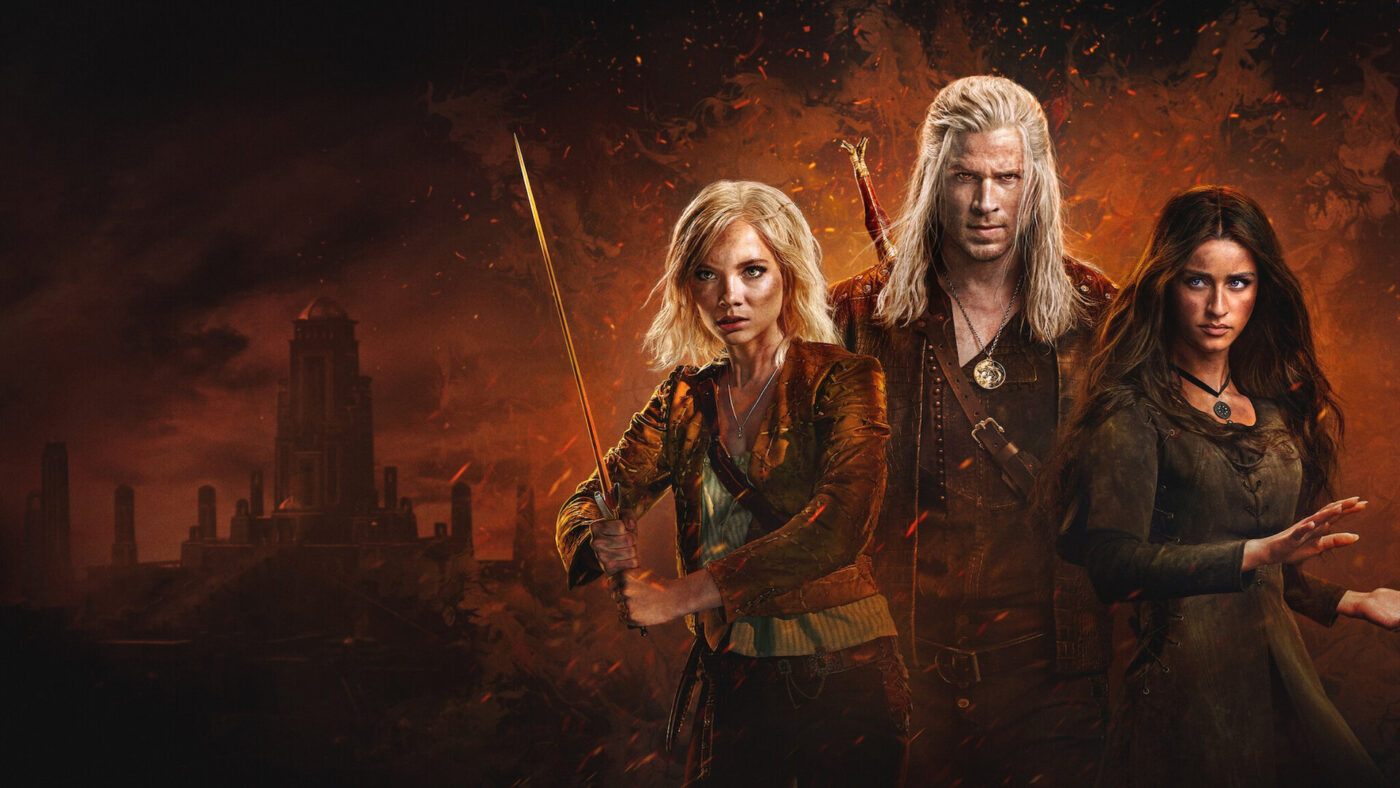
The Witcher Season 4 marks a transitional chapter for the series, defined by a significant tonal shift and a bold recalibration of its core characters. With Liam Hemsworth stepping into the role of Geralt, the season focuses less on monster-of-the-week storytelling and more on political tension, fractured loyalties, and the growing darkness surrounding the Continent.
Overall
-
Plot
-
Cinematography
-
Acting
From its earliest episodes, The Witcher distinguished itself in the crowded landscape of fantasy storytelling through Henry Cavill’s Geralt and an unpredictable narrative approach. In the fourth season, the series has replaced Cavill with Liam Hemsworth as the lead. As such, the show faces its most pivotal turning point. The shadow of the recast looms, but the new season widens its focus, introducing a broader ensemble and deeper political machinations.
The decision to pass Geralt’s mantle to Hemsworth landed amid both curiosity and suspicion from the fandom. Cavill’s take on the character had always been marked by a blend of stony resolve and unseeming warmth, drawing viewers in. In contrast, Hemsworth’s Geralt brings a distinct shift. There is a self-consciousness in this new iteration—a sense that the bruises go more than skin deep. This humility reframes the whole character, providing an entry point for new explorations and drawing certain character traits into sharper relief. At the same time, the show leans into a story that is more methodical in its pacing, presenting the journeys of Geralt, Yennefer, and Ciri as parallel lines that trace personal growth.
This template, exchanging the swirling chaos of non-linear timelines for a clearer, more direct flow, changes the show’s chemistry. Where earlier seasons sometimes left viewers piecing together a convoluted puzzle, Season 4 is more straightforward. Geralt’s own transformation is central. No longer the lone wanderer, Geralt now finds himself at the heart of a “hansa”—a band of allies whose camaraderie and friction create dramatic interactions.
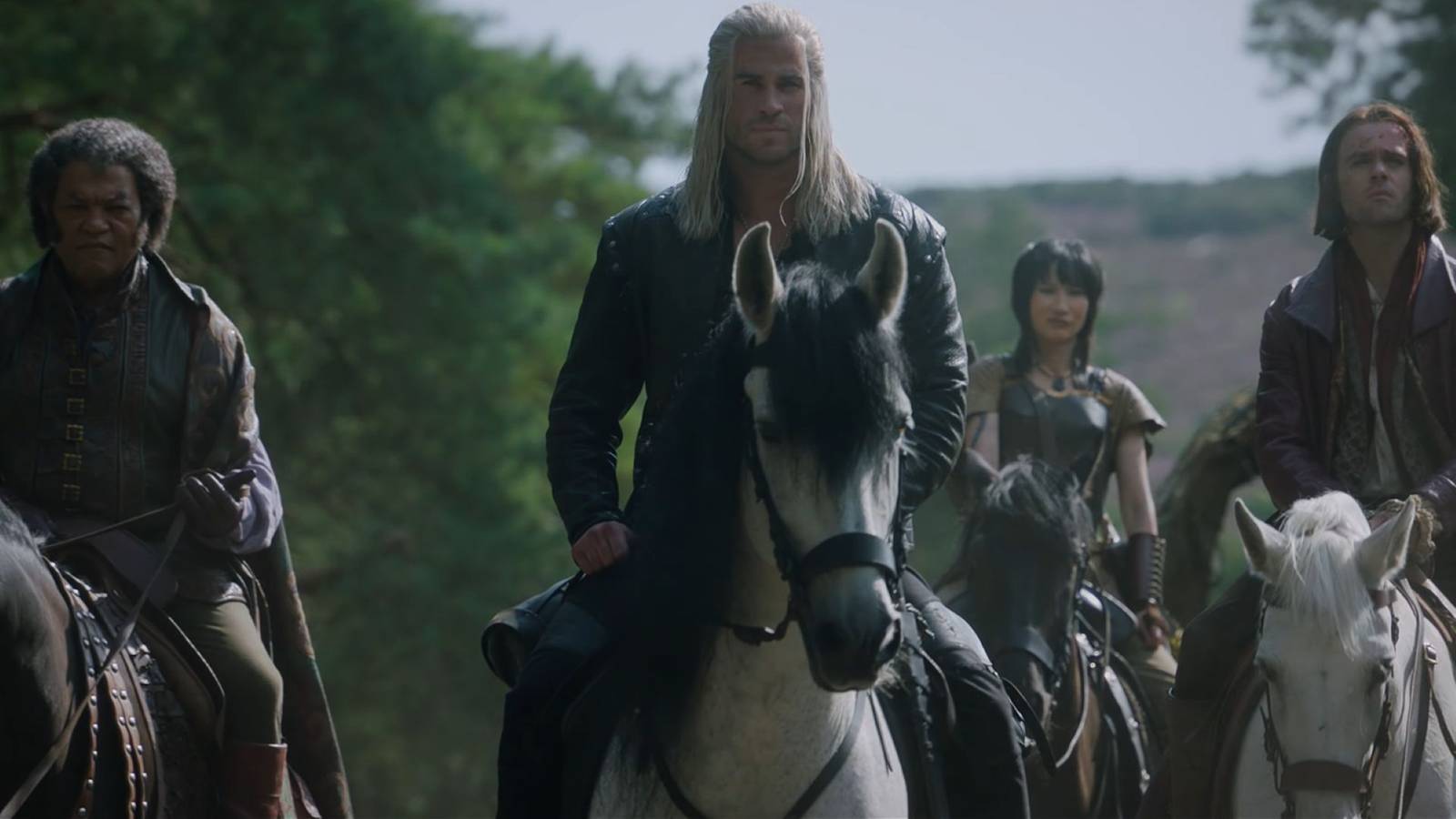
The supporting ensemble is instrumental this time. Jaskier returns, joined by newcomers Milva, an elven archer; Zoltan Chivay, the ever-pragmatic dwarf; and Regis, a vampire who wrestles with his own duality. This shift from lone-wolf storytelling to a kind of fantasy road movie infuses the season with warmth and texture. Even with Hemsworth’s gentler approach, the group dynamic allows for banter and vulnerability. Geralt as a “walking wound” is a character forced not just to fight, but to trust, delegate, and mourn. This setup serves not just the story, but the needs of an evolving series working to find its footing after a major transition.
Geralt as a “walking wound” is a character forced not just to fight, but to trust, delegate, and mourn.
Yennefer, played again by Anya Chalotra, emerges as one of the show’s most compelling characters. This season, her arc feels both confident and consequential. No longer just a survivor or political pawn, Yennefer has become a leader. She orchestrates a resistance movement among magical women, fighting against Vilgefortz, the season’s main villain. The narrative centerpiece, the Battle of Montecalvo, showcases not only grand spectacle but also careful character development. Yennefer’s alliances with characters like Triss, Fringilla, and Phillipa are handled with surprising sensitivity. The show makes space for moments of solidarity, mentorship, and the kind of resilience that radiates from genuine loss and shared struggle.
By contrast, Ciri’s story wanders into darker territory. Drawn into the lawless world of the Rats and living under the adopted persona “Falka,” Ciri ’s evolution is marked by alienation and moral ambiguity. The group she joins is notorious, their world defined by shifting allegiances and continuous violence. Unfortunately, this storyline often loses focus. New faces come and go, alliances form and dissolve, and the sense of urgency that propelled Ciri in earlier seasons sometimes stalls. Still, shining moments—particularly the rapport between Ciri and Mistle—inject sincerity and vulnerability into her journey. The tension between Ciri’s destiny and desires add thematic texture, even if the execution lacks cohesion.
The delay between narrative ambition and payoff, is both a strength and a stumbling block for Season 4. The show’s decision to resolve a few of its major threads consciously positions the season as a midpoint rather than a self-contained chapter. For some viewers, the result is tantalizing, promising further depth and escalation in the years to come. For others, it frustrates, leaving the season feeling more like a prologue than a satisfying journey.

Not every viewer has welcomed the new Geralt with open arms. Many, still loyal to Cavill’s intense showmanship, have found Hemsworth’s presence less commanding. For some, the gravitas and cynical wit that Cavill brought are now missed, and Hemsworth’s version sometimes lands as overly restrained. This polarization invites a new question: can Geralt remain the series’ proper emotional anchor, or should the focus move more decisively to the other leads?
Beyond the headline conflicts, the season’s political and magical landscapes have never felt so perilously close to familiar fantasy formulae. In earlier seasons, The Witcher balanced grim monster-hunting tales with wry humor and personal stakes. Those tightly contained episodes attracted a broad spectrum of viewers by mixing violence, wit, and flashes of genuine charm. But this season, much of that flavor recedes as the focus broadens. Royal intrigues, clashing armies, and shifting alliances dominate the canvas. While the show remains visually striking, stretches devoted to geopolitical intrigue and epic battles are sometimes at odds with the series’ former intimacy. Monster encounters, previously among the series’ most suspenseful elements, are now rare and overshadowed by other threats.
While the show remains visually striking, stretches devoted to geopolitical intrigue and epic battles are sometimes at odds with the series’ former intimacy.
Even so, the season is not without inspired creative strokes. One standout sequence finds Geralt and his hansa around a fire, swapping stories from their pasts. Presented through an inventive mix of animation and song, the scene provides a playful respite from the season’s darkness. These lighter moments, though infrequent, infuse some necessary levity and remind the audience of the show’s potential for tonal range.
The writing, however, is inconsistent. Characters like Bonhart, Regis, and Skellen receive dialogue that is sharp and alive, pulsing with menace or wit. But elsewhere, lines feel stilted, expository, or simply forced. The Battle of Montecalvo, while visually impressive, includes logical lapses that puncture immersion. These moments, while intended to escalate drama, risk undermining the series’ established coherence.

Ciri’s involvement with the Rats remains perhaps the season’s weakest thread. Neither the characters nor their group identity ever quite gel. For a subplot that should convey danger and internal struggle, the result is instead a sense of boredom. In particular, Ciri’s relationship with Mistle has prompted debate over its narrative and emotional consequences. Some see the change as an attempt to blunt the more disturbing undertones of the book; others worry it diminishes the stakes of Ciri’s journey.
All told, Season 4 of The Witcher is a story of transition—feeling both expansive and uncertain. The biggest shifts, from the recast Geralt to the focus on ensemble storytelling, enable new kinds of drama. However, they do not recapture the taut, bittersweet magic of earlier installments. There are enough flashes of creativity and character-driven drama to keep fans invested, but unfulfilled arcs, unresolved battles, and unfinished fates cast a shadow of impatience. As the show prepares for its next acts, the hope is for a return to sharper character focus, inventive plotting, and that rare mix of grit and grandeur that first hooked audiences. For now, Season 4 stands as a thoughtful recalibration—imperfect but unafraid.