
A Promising First Outing for a new Superhero Team
Summary
The Fantastic Four: First Steps introduces Marvel’s iconic family to the MCU with stylish visuals and heartfelt moments, favoring accessibility over deeper conflicts while hinting at richer emotional and ideological challenges for future installments.
Overall
-
Plot
-
Narrative
-
Acting
-
Characterization
-
Visuals
-
Direction
-
Pacing
Few superhero teams carry the weight of history like the Fantastic Four. Since their debut in 1961, the group has served as Marvel Comics’ bedrock—a team as known for their interstellar adventures as for their roles as a complicated family navigating messy relationships and extraordinary challenges. Marvel Studios’ latest film, The Fantastic Four: First Steps attempts to usher these icons into the Marvel Cinematic Universe, balancing a reverence for their legacy with the need to appeal to a broad, modern audience. The result is a film marked by dazzling visuals and heartfelt moments, but one that tends to round off the edges of what has made the Fantastic Four endure through generations. Our reivew of The Fantastic Four: First Steps examines how the film holds up as both a standalone and an addition to the MCU saga.
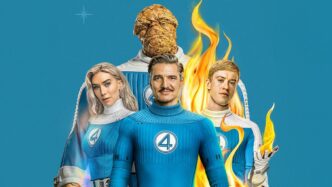
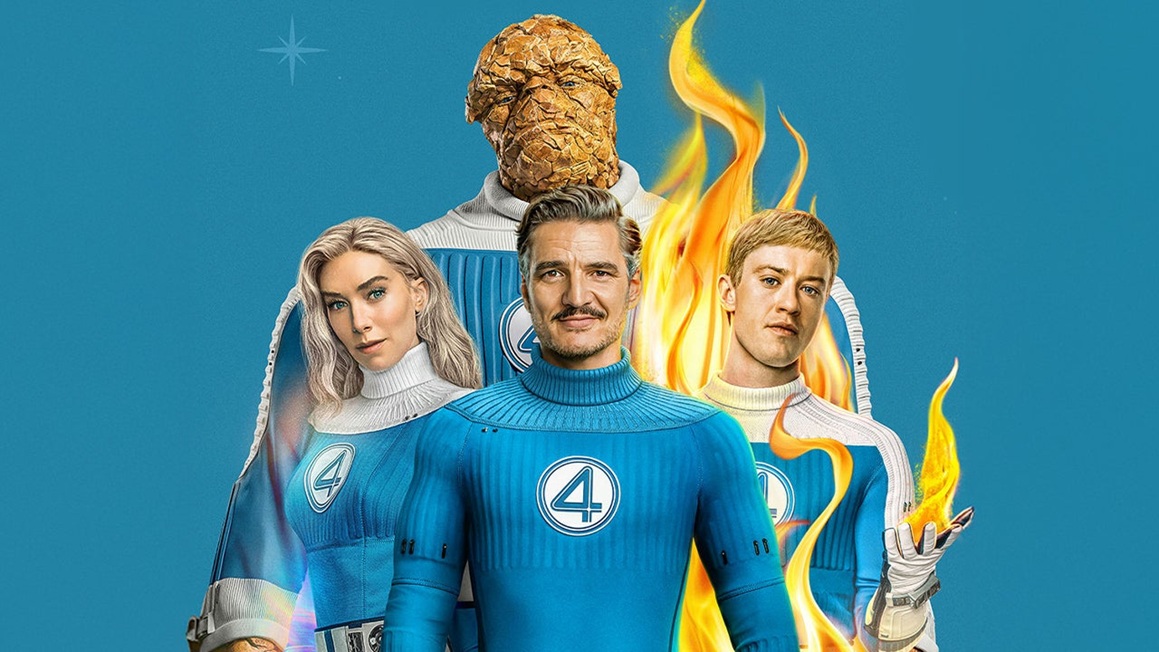
The film opens with a clear sense of transition, setting itself apart from other MCU entries by pulling away from immediate, world-shaking events and instead building up a strong foundation for the team’s place in this universe. This measured approach is reminiscent of the latest season of The Night Agent, which trades nonstop twists for a more nuanced exploration of its characters and scope. In a similar spirit, First Steps introduces its core cast not simply as earth-saving titans but as a family kept together and pulled apart by both external threats and internal contradictions. Pedro Pascal as Reed Richards, Vanessa Kirby as Sue Storm, Joseph Quinn as Johnny Storm, and Ebon Moss-Bachrach are painted as much by their relationships with each other as by their superhuman abilities.
Pedro Pascal’s portrayal of Reed Richards skirts the line between visionary drive and underlying torment. Where many comic iterations of Reed are burdened by the cost of their genius—arrogant, emotionally distant, and haunted by their work—Pascal’s Reed is more approachable and self-assured. The film nods to Reed’s complexity in early scenes where he buries himself in science, but soon smooths over his edges, offering a version less troubled and more optimistic than the source material typically presents. The result is a character who leads decisively, but whose internal battles are muted, shifting the team’s dynamic toward outward unity rather than the fraying chaos that defines so many of their comic book adventures.
This approach extends across the team. Vanessa Kirby’s Sue Storm is quietly powerful, providing an emotional anchor for the group. She stands toe-to-toe with Reed, sometimes challenging his choices, but the film keeps her more inwardly focused, only brushing against the independence and nuanced conflicts that make Sue such a force in the comics. Johnny Storm is charismatic and hot-tempered under Joseph Quinn, but the role rarely digs beneath his bravado. Ben Grimm is perhaps changed the most; a traditionally tragic figure, battling his sense of alienation and loss, Ebon Moss-Bachrach’s version is often played for laughs, his emotional wounds softened in favor of crowd-pleasing humor. The chemistry among the cast feels genuine, and their rapport creates the sense of a family forged by adversity and care—but the messier, more painful sides of that bond are kept at arm’s length, as if the film seeks harmony over depth.
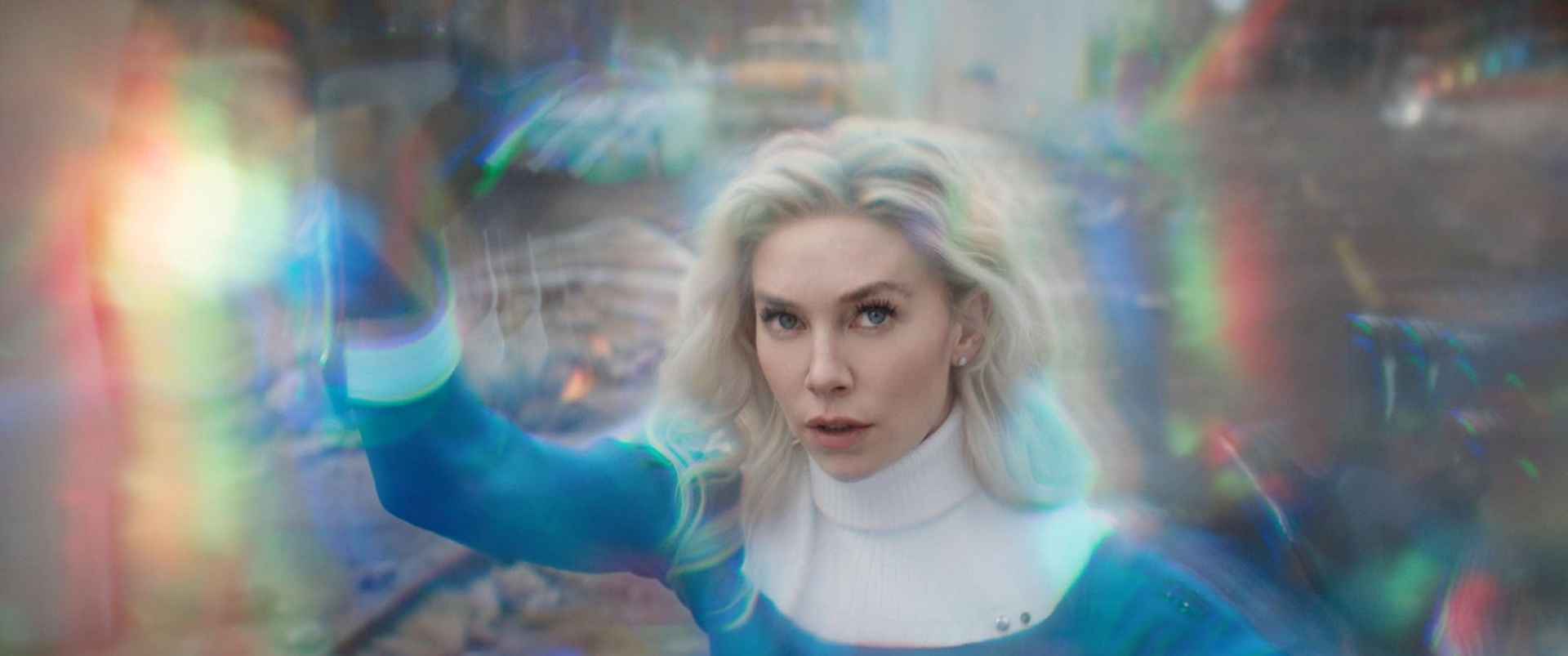
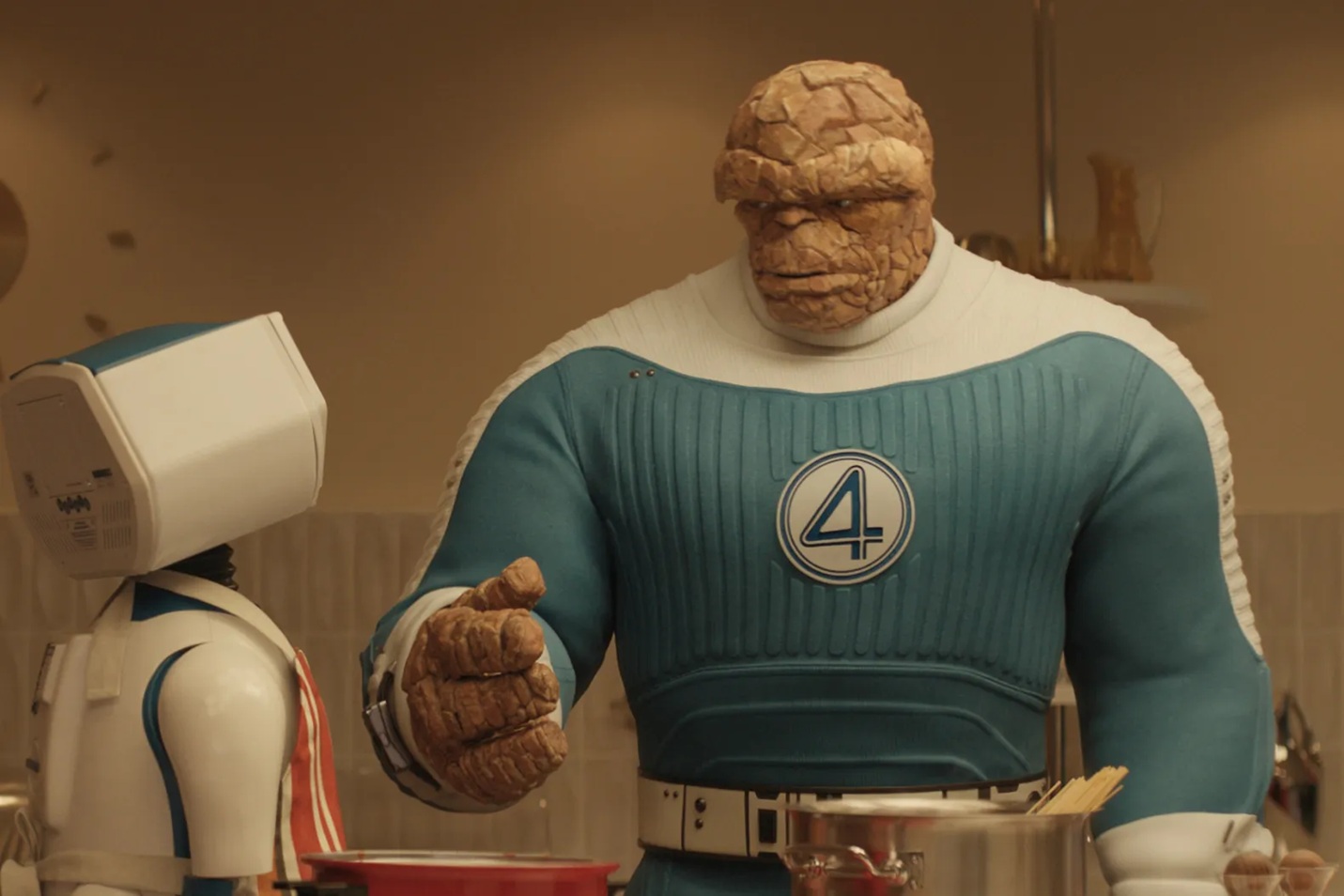
The real heart of the Fantastic Four’s story has always been their relationship to otherness—how their extraordinary transformations turn them into outsiders and force them to confront what it means to be human. In First Steps, these themes appear more as motifs than as deeply lived experiences. Ben’s struggle with his rocky form—a standby for the pain of being visibly different—is mostly conveyed through jokes, while Reed’s elasticity, Sue’s invisibility, and Johnny’s flame are given more screen time than emotional weight. This decision keeps the story brisk, but it trades away the psychological realism and existential struggle that make these heroes feel real.
That brisk pacing is a defining feature of the movie. Director Matt Shakman seems intent on balancing breathtaking visuals with small, intimate moments—though the latter are often too brief to leave a deep impression. The design, steeped in a retrofuturistic, mid-century modern look, proudly nods to the team’s 1960s origins while keeping one foot in a stylish present-day Manhattan. The Baxter Building gleams with both nostalgia and innovation, its sleek corridors and artful labs serving as the perfect stage for moments of both cosmic grandeur and domestic tension. Visual effects are consistently impressive, painting an MCU version of New York City that feels both familiar and just out of reach.
If the core of First Steps is its portrait of family under pressure, then its most powerful theme is the intersection of hope and fear that comes with change. The film’s central tension is set around the upcoming birth of Franklin Richards, Reed and Sue’s child, whose arrival coincides with the threat posed by the cosmic force Galactus. The looming menace is grand and existential, but Shakman manages to frame these world-ending stakes in personal terms—the anxiety and vulnerability of becoming a parent in uncertain times.
This structure—cosmic grandeur anchored by human moments—creates a film that gestures at deeper questions without quite following them to their conclusions. The script hints at Reed’s potential for authoritarianism, embedding subtle cues in his technological ambitions and the social order he tries to enforce through drones and promises of disarmament. Underneath his optimism runs the possibility of control enforced for the greater good—a tension that could spark future ideological battles within the team.
The major ethical dilemma, triggered by Galactus’ demand that the team sacrifice their unborn son to ensure Earth’s survival, is a striking example of how the movie sets up complexity but pulls back from its thorniest implications. The Fantastic Four’s refusal is painted as the clear moral path, but the film spends little time considering the ambiguity or emotional fallout of such a choice. Public reaction is shown mostly in brief, scared outbursts rather than as a sustained, society-wide crisis. This simplification mirrors the MCU’s tendency to prioritize plot propulsion and accessibility over substantive, lingering questions.
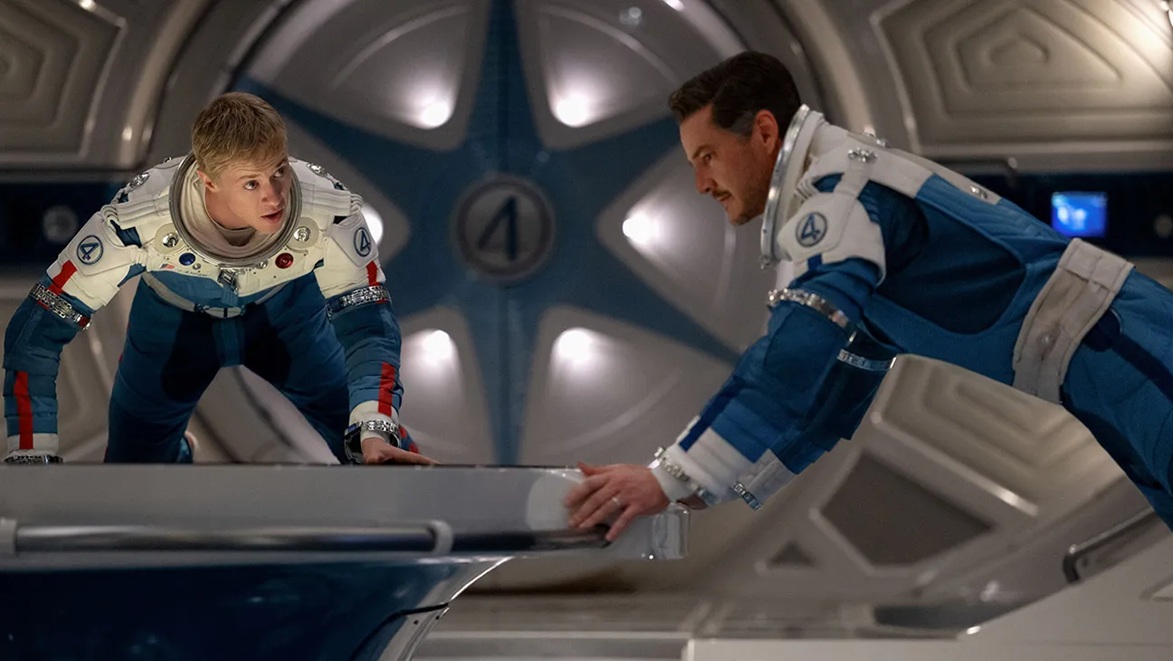
Even so, there are meaningful flashes of warmth and tension—especially in the interplay between Johnny’s recklessness and Ben’s stoic loyalty, or in the quietly charged scenes between Reed and Sue. Kirby’s performance, especially, hints at broader emotional landscapes waiting to be uncovered. Pascal’s Reed is poised, perhaps too controlled, but there is a depth behind his eyes that suggests future films might finally let him wrestle with the burdens of leadership and the limits of his optimism.
From a stylistic standpoint, First Steps is polished in the way of a careful franchise entry. The music by Michael Giacchino adds a soaring quality, particularly in key moments like the rocket launch toward Galactus. However, the visuals sometimes fail to match the score’s emotional reach, resulting in some set pieces that, while well-constructed, feel cautious rather than exhilarating.
One of the most inventive choices in First Steps is to situate the story on an alternate Earth-828. This move lets the narrative embrace its 1960s setting and aesthetic without running into the continuity headaches of the main MCU timeline. It’s a small detail with major ramifications: the team is free to be both period-appropriate and fresh, and the script can lean into alternate history and speculative world-building without confusing casual viewers.
As the film closes, it’s clear that First Steps serves as much as a prologue as it does a standalone story. The introduction of Franklin tees up future stories. The looming presence of Doctor Doom, alluded to but never shown, casts a shadow that promises richer conflict and greater risk in Marvel Phase Six plans.
Taken as a whole, The Fantastic Four: First Steps is a sincere, visually inventive, and cautious step forward. The cast works well together, and the production embraces the team’s comic book roots with affection and style. Its greatest strength lies in its ability to make the Fantastic Four feel both iconic and accessible—a family facing the kinds of uncertainties and hopes that define every era, superhero or not.
Yet the film’s reluctance to fully plunge into deeper psychological or ideological conflicts leaves a faint sense of hesitation. The Fantastic Four are, by design, a team at the crossroads of science fiction and messy domestic reality—heroes defined as much by their failures and contradictions as their brilliance and unity. First Steps flirts with these ideas, but often stands back, capturing their charm and potential while holding its richest risks for later. Fans will find much to enjoy, especially in the film’s loving details and performances, even as they hope for bolder explorations next time.
Ultimately, this film is an open door—an introduction that finds its heart in the intertwined weight of heroism and family, alongside the excitement and fear of stepping into the unknown. The MCU’s newest family may not, in this first outing, reach the narrative heights of their most memorable comic stories. But as a beginning, they shine with style, sincerity, and a hint of complexity waiting to unfold.