
Summary
A Knight of the Seven Kingdoms stands strong as a character-driven Game of Thrones prequel that trades scale and dragons for a grounded story.
Overall
-
Plot
-
Acting
-
Cinematography
In a television landscape full of ever-expanding fantasy spectacles, A Knight of the Seven Kingdoms takes a different route. Unlike Game of Thrones and House of the Dragon, It does not rely on mythical creatures, continent-spanning plots, or endless councils. Season 1 stays close to one hedge knight, one strange boy, and one tournament on a dusty meadow. On paper, Ashford is a historical footnote. In the show, it becomes the center of a story about class, conscience, and what honor means when no one is watching.
Across six tightly constructed half-hour episodes, the series demonstrates what a Westeros story can look like from a grassroots perspective. It trades scale for intimacy, not competing with its predecessors in size or bombast. Instead, it asks a quieter question: if wars and councils are the outer skin of this world, what does life feel like underneath?
The show’s modest scope is clear from the beginning. Ser Duncan the Tall – Dunk – buries his mentor, Ser Arlan of Pennytree, beside an empty road. No banners hang overhead, no singers gather. There is only a grave, a few halting words, and a sense of cold necessity. Dunk takes the old man’s armor and horse.

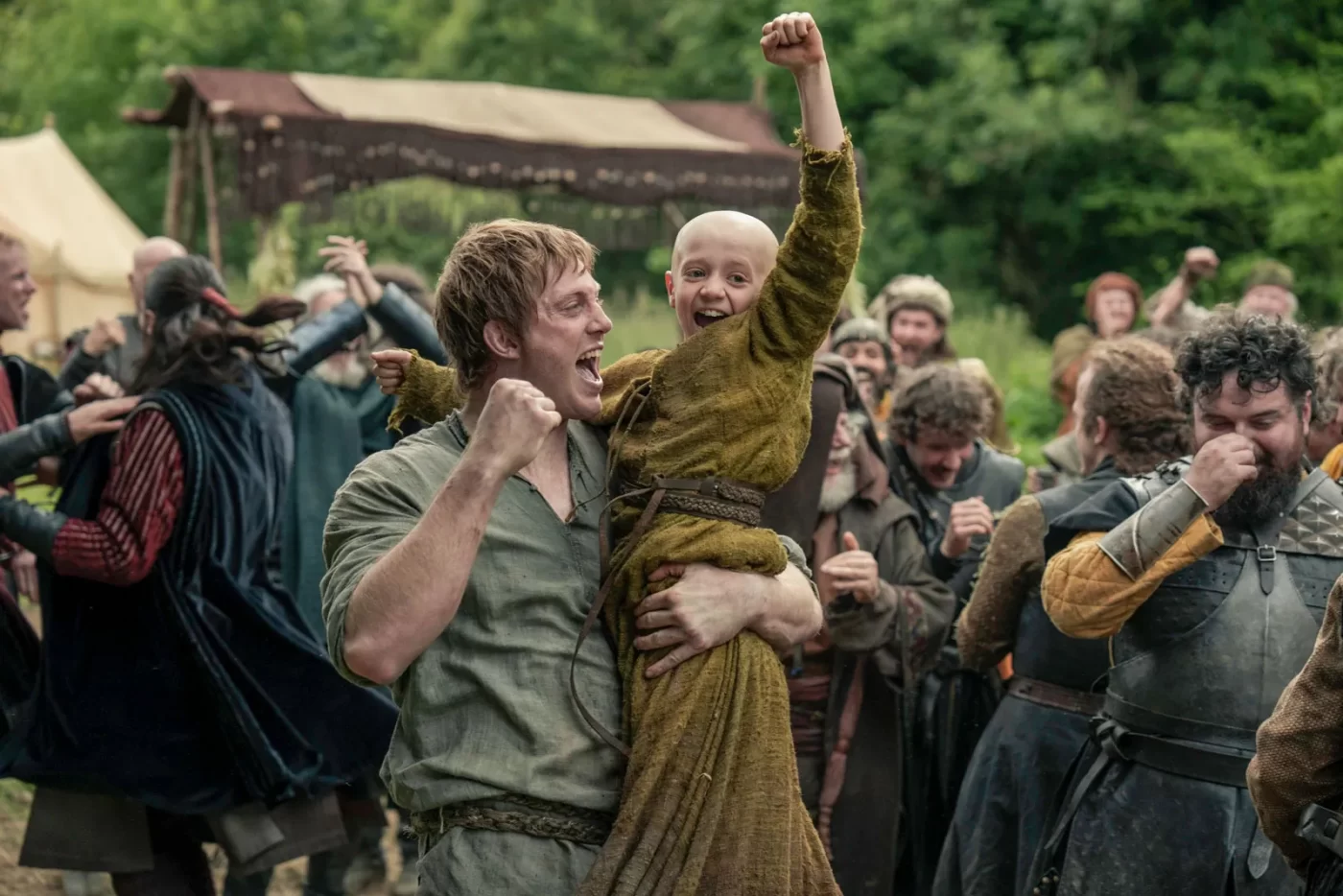
With little money and no name that carries weight, he heads to Ashford. He hopes the tournament there will turn borrowed steel into coin and, perhaps, a future. At an inn on the road, he meets Egg: a mischievous shaven-headed boy. However, he knows how to push people, and how to read a room. When he latches onto Dunk, their partnership becomes the season’s anchor. Dunk is huge, earnest, and uncertain. Egg is small, sharp, and unafraid to provoke. Their dynamic gives the series its rhythm and much of its emotional shading.
The plot remains deceptively simple. They travel, they arrive, and the tournament slowly tightens around Dunk’s sense of right and wrong. There is no looming apocalypse and no prophecy pulling invisible strings.
At Ashford, everything appears to be play: jousts, pageantry, brightly painted shields. Yet the “game” has its perils. A careless insult can cost a man his livelihood. A broken promise can endanger a woman. A stubborn act of decency can get someone killed. The stakes are enormous to the people living them.
A careless insult can cost a man his livelihood. A broken promise can endanger a woman.
One of the season’s greatest strengths is how it builds Westeros through actions in the background. Tents ripple in a dry wind. Inns feel cramped, smoky, and sour. People sweat, cough, and eat as if they are conserving what little they have. Such details do more narrative work than lengthy speeches about history.
When history does surface, it arrives through emotion. A look between princes carries more weight than a recited family tree. A pause in an older knight’s voice conveys more about old rebellions than any narrated prologue could. The series respects the depth of its world without demanding homework from the audience. This restraint extends to political context. The Targaryen dynasty is present, but it is not mythologized. Instead, it is shown as a family navigating pride, expectation, and rivalry.
The season’s clearest weakness appears early. The premiere is handsome and well-acted, but it moves so calmly that it can feel slight. Many modern shows open with a twist, a massacre, or a cliffhanger. This episode does not. It unfolds like the first chapter of a novel. It establishes tone and character, but it offers limited momentum.
The premiere is handsome and well-acted, but it moves so calmly that it can feel slight.
After Ashford is established, the show’s real strength comes to the forefront: it understands the dramatic value of quiet. Six short episodes cannot cover a sprawling ensemble with endless subplots, and the series does not attempt to either. Instead, it invests its time in campfire conversations, awkward shared meals, and private exchanges before dawn.
The tournament becomes a pressure cooker. On the surface, it is sport: lances, cheers, and bright fabric snapping in the wind. Underneath, it is a mechanism for enforcing rank. Courtesy is often wielded like a blade. The more Dunk attempts to act sincerely, the clearer it becomes that “honor” is a slogan used to shield self-interest.
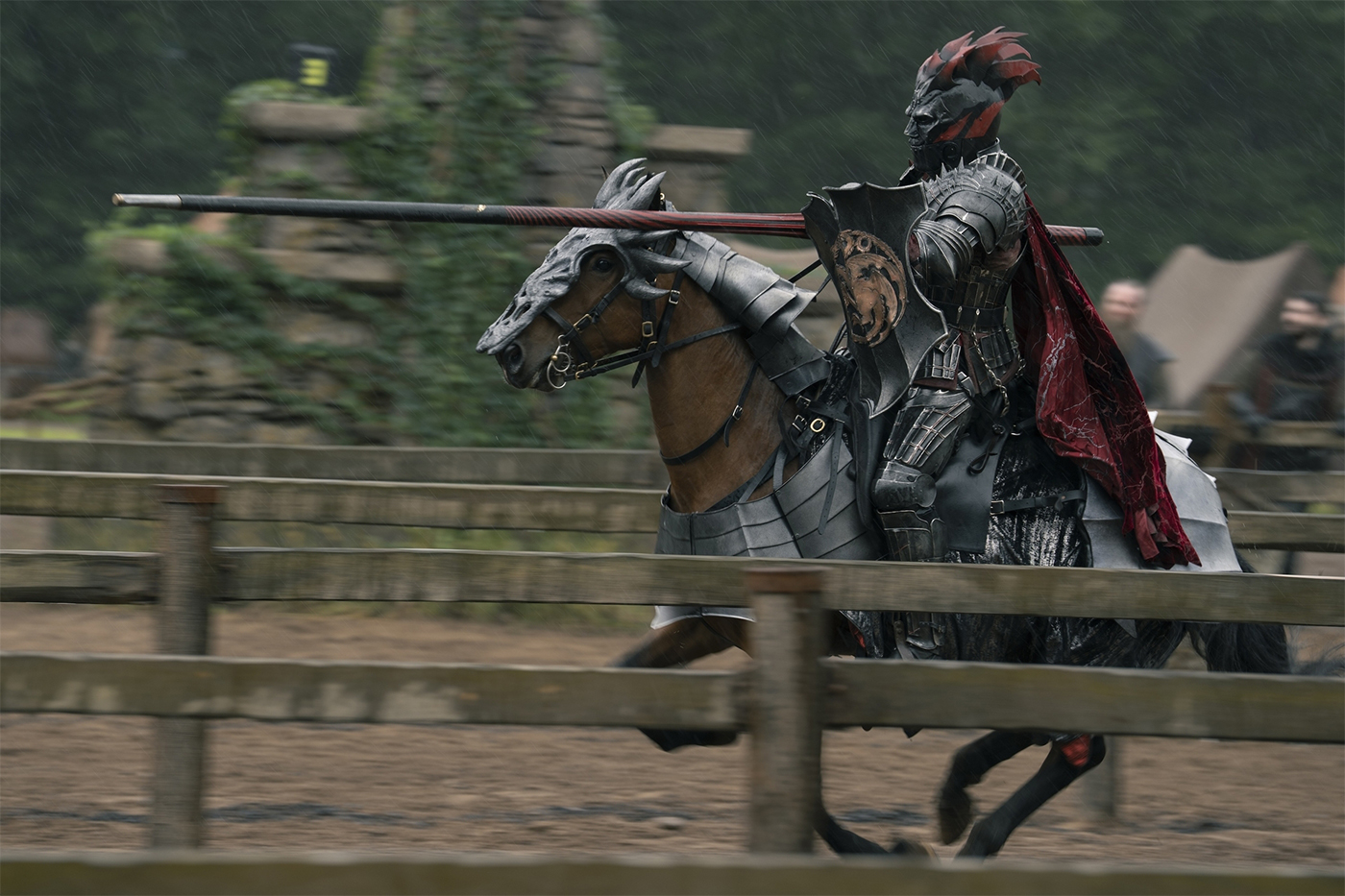
By the time the trial of seven arrives, the show has laid enough groundwork that the confrontation carries real emotional weight. The combat is brief and brutal. It does not linger on choreography for spectacle’s sake. What lingers instead is the fear etched on men’s faces, and the stunned stillness afterward when the cost becomes undeniable.
This is one of the lighter stories set in Westeros, but “lighter” does not mean safe. Much of the humor springs from Dunk and Egg. Dunk is physically imposing yet socially awkward, often out of his depth in noble company. Egg is clever, proud, and incapable of keeping his mouth shut. Place them in a world obsessed with titles and manners, and misunderstandings are inevitable. Importantly, the show does not deploy humor to escape darkness. It uses humor to heighten contrast. That balance keeps the world recognizable. People still die quickly and unfairly. Power continues to shield the cruel. Yet the series allows space for warmth, awkward kindness, and fragile hope.
Peter Claffey’s portrayal of Dunk is compelling. Dunk is not prophesied, nor is he secretly brilliant. He is a tall man with basic skills, a stubborn conscience, and a lifetime of being told he does not belong. Claffey plays him without vanity, discovering that real honor demands painful, often costly choices.
The show wisely avoids turning him into a saint. He has a temper. He grows defensive. He sometimes chooses the wrong moment to stand firm. These flaws matter. If Dunk were flawless, the story would lose its edge.
If Dunk is the heart of the series, Egg is its lens. Through his character, the season explores how rulers are shaped. Dexter Sol Ansell portrays Egg as a bundle of contradictions. He is needy yet defiant, abrasive and reckless. He also clearly understands more than Dunk does about the rigid rules governing their society.
If Dunk is the heart of the series, Egg is its lens. Through his character, the season explores how rulers are shaped.
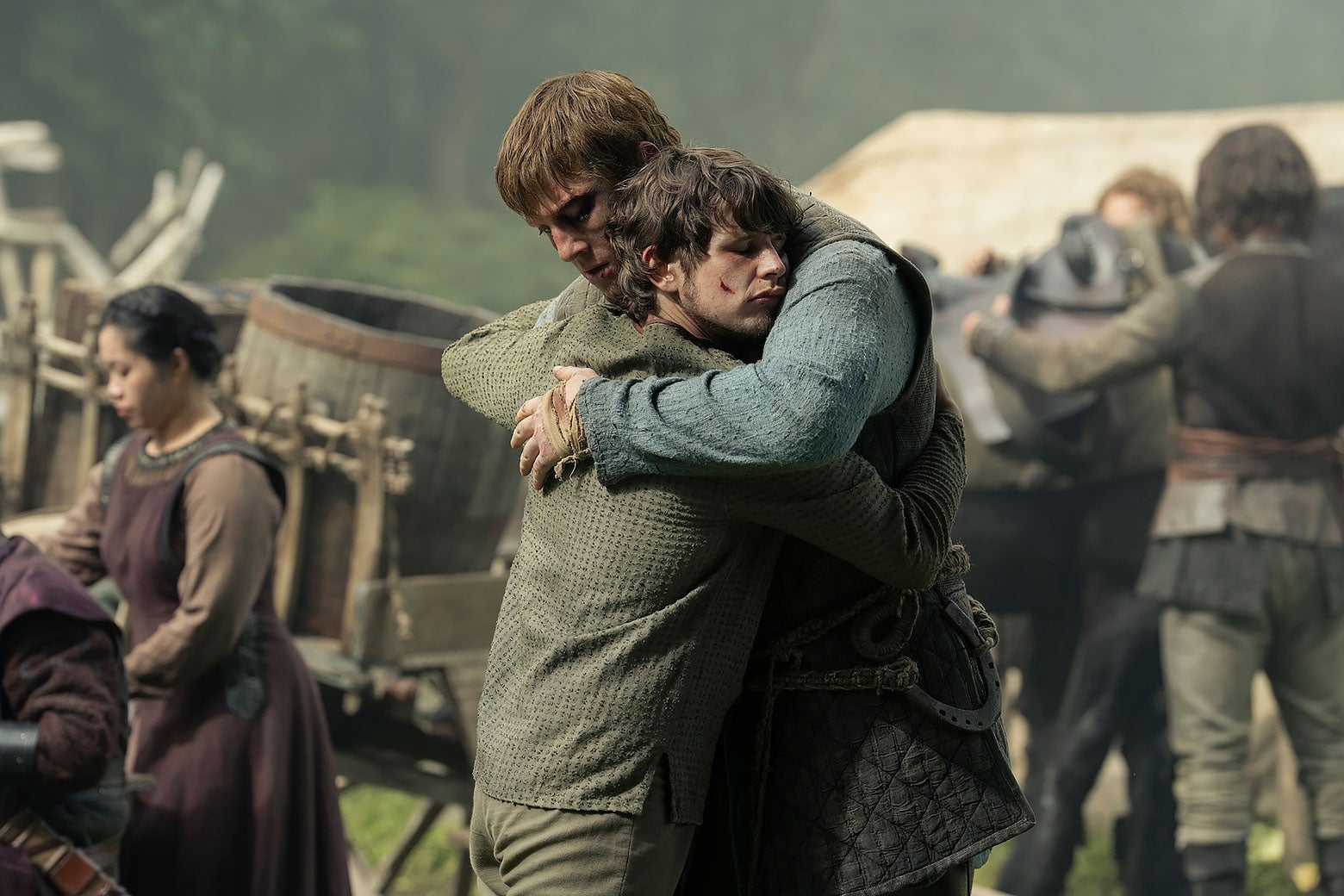
After the trial of seven, Dunk’s internal conflict sharpens. But the show does not resolve this with a grand speech. Instead, it offers quiet resistance, especially from Ser Lyonel Baratheon. By the final episode, Dunk experiences no sudden rise in status. What changes is his understanding of what that means. He begins to see that worth is not determined solely by birth or reputation. It is shaped by the choices one makes when no one powerful is watching.
The supporting cast is not large, but it is deployed with precision. Each key figure reflects a different angle on class, duty, or power. Ser Lyonel Baratheon brings charisma and force, his humor masking a clear-eyed sense of responsibility. Raymun Fossoway provides a brighter contrast. He is eager to forge a name for himself and sincere in his admiration for Dunk. Tanselle, the puppeteer and painter, observes noble life without being invited into it. Her presence underscores that tournaments are not merely sporting events; they are temporary economies. Prince Maekar initially appears as rigid duty incarnate. He speaks in judgments and hard lines. Over time, that severity reveals fear as much as arrogance. Aerion Targaryen’s cruelty is presented with particular clarity. In a culture already comfortable with ritualized violence, Aerion still manages to transgress.
For a brief season, the series uses action sparingly, and that restraint proves effective. The jousts feel dangerous rather than decorative. Lances splinter with sickening force. Falls look painful and disorienting. Blows are messy, shields fail, and death comes quickly and without spectacle.
The season ends without a kingdom falling or a dragon roaring. It concludes with two riders on an open road. One man is still working out what his vows should mean. One boy is choosing whom he trusts to teach him about the world. The stakes are modest, but the show never treats them as small. In a universe obsessed with thrones, it offers a reminder that history is also shaped by those who never come near one.
For now, however, Season 1 stands confidently on its own. It delivers a focused, thoughtful narrative. It is well acted, carefully crafted, and attentive to the interplay of class, conscience, and identity in a brutal world.
By design, A Knight of the Seven Kingdoms imposes a ceiling on how “epic” it intends to feel. There is no central mystery stretching across decades. Yet the season remains consistent in its ambitions. It is not concerned with who sits the Iron Throne. It is concerned with what kind of person might deserve to sit there, and what kind of person might reject the entire game.