
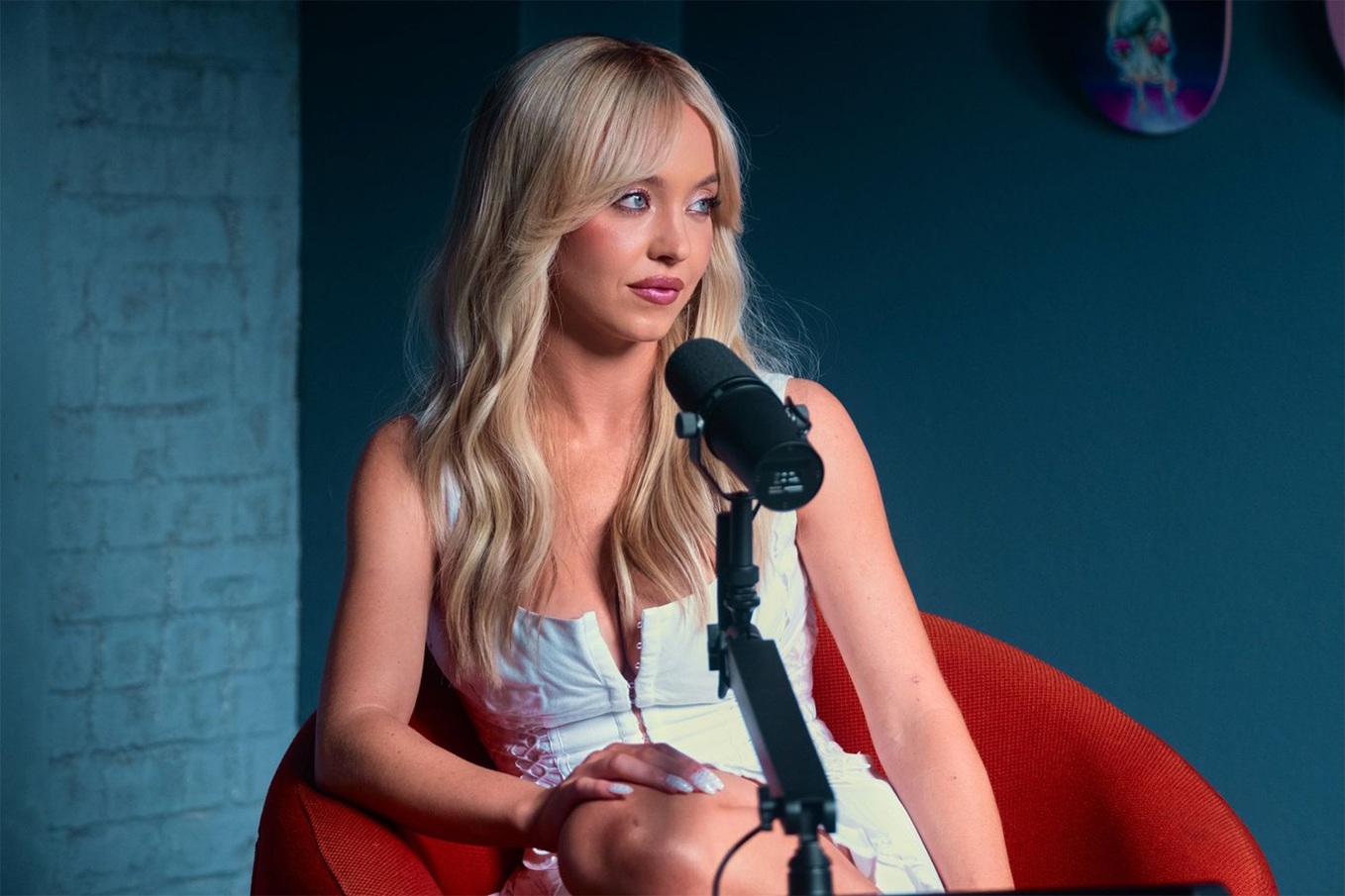

There is a version of Euphoria that made complete sense: the one that premiered on HBO in 2019, when the show’s particular register of teenage devastation, non-linear storytelling, and cinematography that treated a high school party like the interior of a fever dream felt genuinely new. The show was excessive and occasionally incoherent, but it was excessively and incoherently about something — about the specific way that adolescence, at its most unmanaged, generates a kind of beauty and destruction that are almost indistinguishable from each other. Season 2, despite the documented behind-the-scenes turbulence of its production, maintained enough of that original charge to justify the investment. Season 3, which premiered on April 12, 2026, after a four-year gap that was itself the subject of more industry coverage than most shows receive for their actual episodes, is the season where that justification becomes genuinely hard to make. The Variety review called it “entertaining but disjointed fan fiction,” and that description is kinder than it sounds — it acknowledges that the show still produces moments worth watching while accurately diagnosing why those moments no longer add up to a coherent whole.
The Four-Year Problem
The gap between Season 2 (January 2022) and Season 3 (April 2026) is four years — enough time for Rue, Jules, Nate, Cassie, and Maddie to have grown from teenagers into people in their mid-twenties, which is a problem the show cannot fully solve because its identity was built on a very specific demographic context. The school hallway, the house party, the particular vulnerability of people who do not yet have enough experience to understand what is happening to them — these are not incidental to what Euphoria is. They are the conditions under which its specific emotional register becomes possible.
Characters in their mid-twenties experiencing substance abuse, relationship chaos, and identity crisis are characters in a different show, because the dramatic stakes of those experiences operate differently when the people experiencing them have passed the developmental threshold where society allows them to make certain choices. The teenage context gave Euphoria’s excess its moral weight. Without that context, the excess is just excess.
The Fanfiction Problem

The critique that Euphoria has become “fanfiction of itself” — articulated in critical coverage and felt by many viewers in Season 3’s opening episodes — points at something specific: that creator Sam Levinson appears to be responding to the show’s cultural reception rather than following the organic logic of the characters he created. The moments that are praised most enthusiastically by the show’s most vocal fans have been replicated, amplified, and aestheticized further; the elements that generated criticism (the narrative incoherence, the indulgence of certain character arcs) have been course-corrected in ways that feel reactive rather than creatively motivated. A show that is writing to its own fanbase is a show that has stopped taking risks, and Euphoria’s entire artistic identity was built on risk. Time’s review headlined “Older But Not Wiser” captured this precisely: the show has accumulated seasons without accumulating wisdom about itself.
What Season 3 Still Does Well
The counterargument to the jumping-the-shark thesis is grounded in real evidence. The Season 3 premiere drew 8.5 million viewers in its first three days — a 44% increase over the Season 2 premiere, which is not the trajectory of a show that has lost its audience. Zendaya’s performance as Rue remains one of the finest pieces of acting in contemporary television, possessing a specificity and emotional authenticity that the material around her does not always deserve. The cinematography continues to be extraordinary.
Critics who offered more positive assessments of the premiere noted “far fewer dead-weight subplots than in the past” — a structural improvement over the diffuse Season 2. And the show’s visual approach to addiction, trauma, and young adulthood retains its capacity to generate individual scenes of genuine power, even when those scenes do not cohere into a season-wide argument.
Sam Levinson and the Auteur Problem
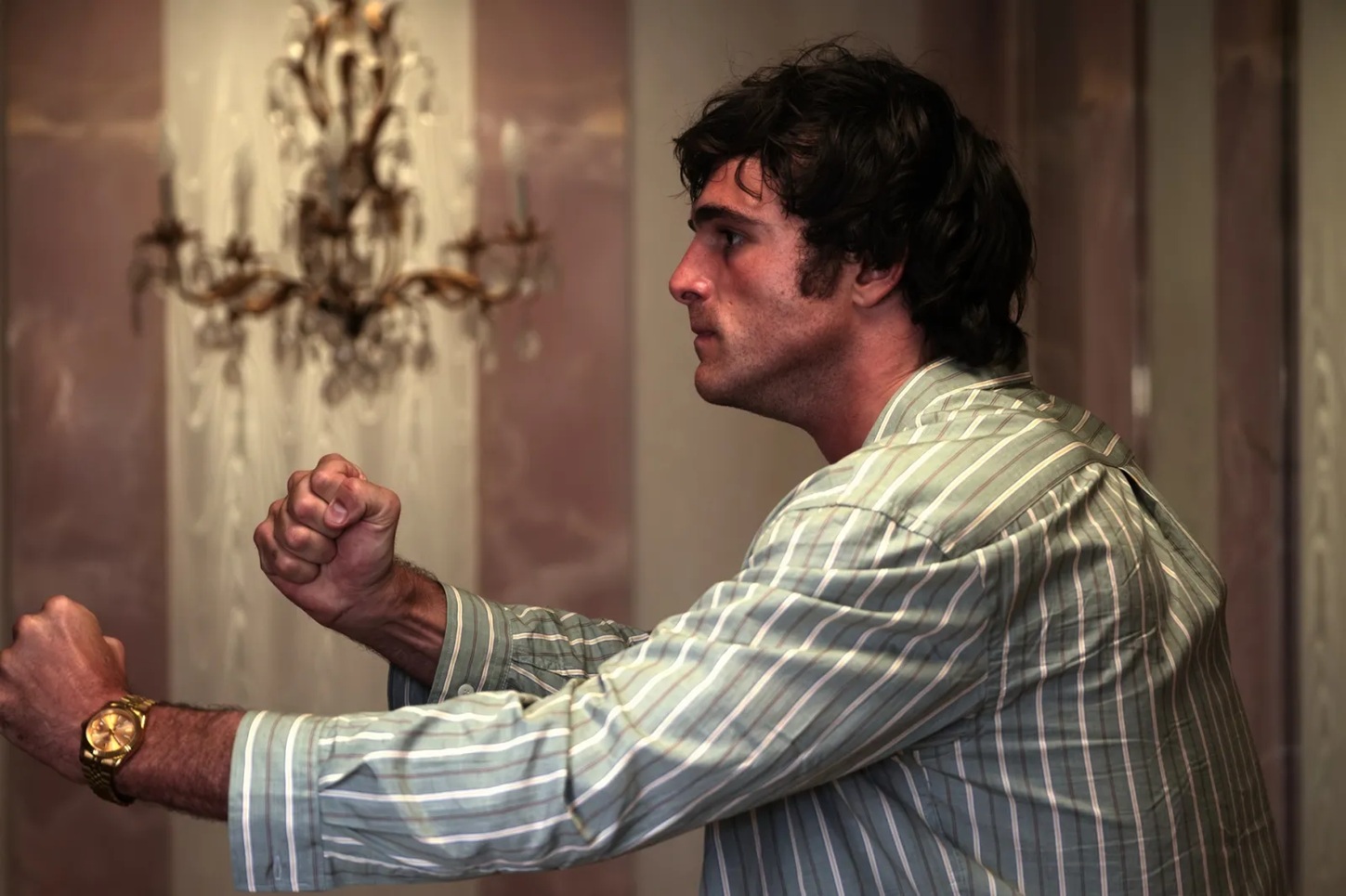
The tension at the center of Euphoria’s Season 3 is the tension that defines auteur television when the auteur’s vision is not self-correcting. Levinson, whose creative control over the series has been absolute, appears to be following his own interests rather than his characters’ dramatic needs, and the result is a show that is occasionally brilliant in the way that undisciplined passion projects can be brilliant — when the vision and the execution align — and occasionally what one critic called “a humiliation ritual” — when the vision overrides the empathy that made the original seasons work. The behind-the-scenes conflicts that generated significant press during Season 2’s production have not, apparently, resulted in institutional guardrails that would introduce productive friction into the creative process. Without that friction, the show’s weaknesses compound.
The Verdict on Shark-Jumping
Is Euphoria Season 3 jumping the shark? The honest answer is that it is doing something more gradual and more interesting than a single leap: it is slowly becoming a different show, one that retains the visual signature and the cast of the original while losing the specific conditions that made those elements powerful. The shark-jumping metaphor implies a single moment of creative failure. What Euphoria Season 3 represents is more like a slow drift — the accumulated effect of four years of absence, characters who have aged past their context, a creator following his own enthusiasms without sufficient external check, and a cultural moment that has moved on from the specific anxieties the show was built to address.
The show is not unwatchable. It is still, in individual moments, extraordinary. But it is no longer the show that justified the level of cultural investment it received in 2019, and the gap between what it was and what it currently is grows more visible with each season. Whether it closes that gap before the finale will determine whether Season 3 is remembered as a decline or a recalibration.