

Summary
Alien: Earth delivers a bold reinvention of the Alien franchise, shifting the horror to Earth with impressive practical effects, strong performances, and thoughtful themes of identity and autonomy. Despite pacing issues and some narrative inconsistencies, the series expands the universe with ambition, emotional depth, and fresh ecological world-building.
Overall
-
Plot
-
Acting
-
Cinematography
-
Soundtrack
The Alien franchise has developed a distinctive identity by reshaping science-fiction horror for each new generation. Alien: Earth, the 2025 television spinoff, continues this evolution by relocating its narrative from distant colonies and vacant spacecraft to Earth itself. This shift is significant. It replaces claustrophobic space corridors with dense forests, sprawling cities, and environments familiar to the audience. The new setting anchors the series in recognisable terrain and introduces fresh opportunities to explore themes of identity, survival, and the limits of humanity. The result is an ambitious first season that is visually impressive and thematically layered, even though it occasionally struggles with pacing and narrative focus.
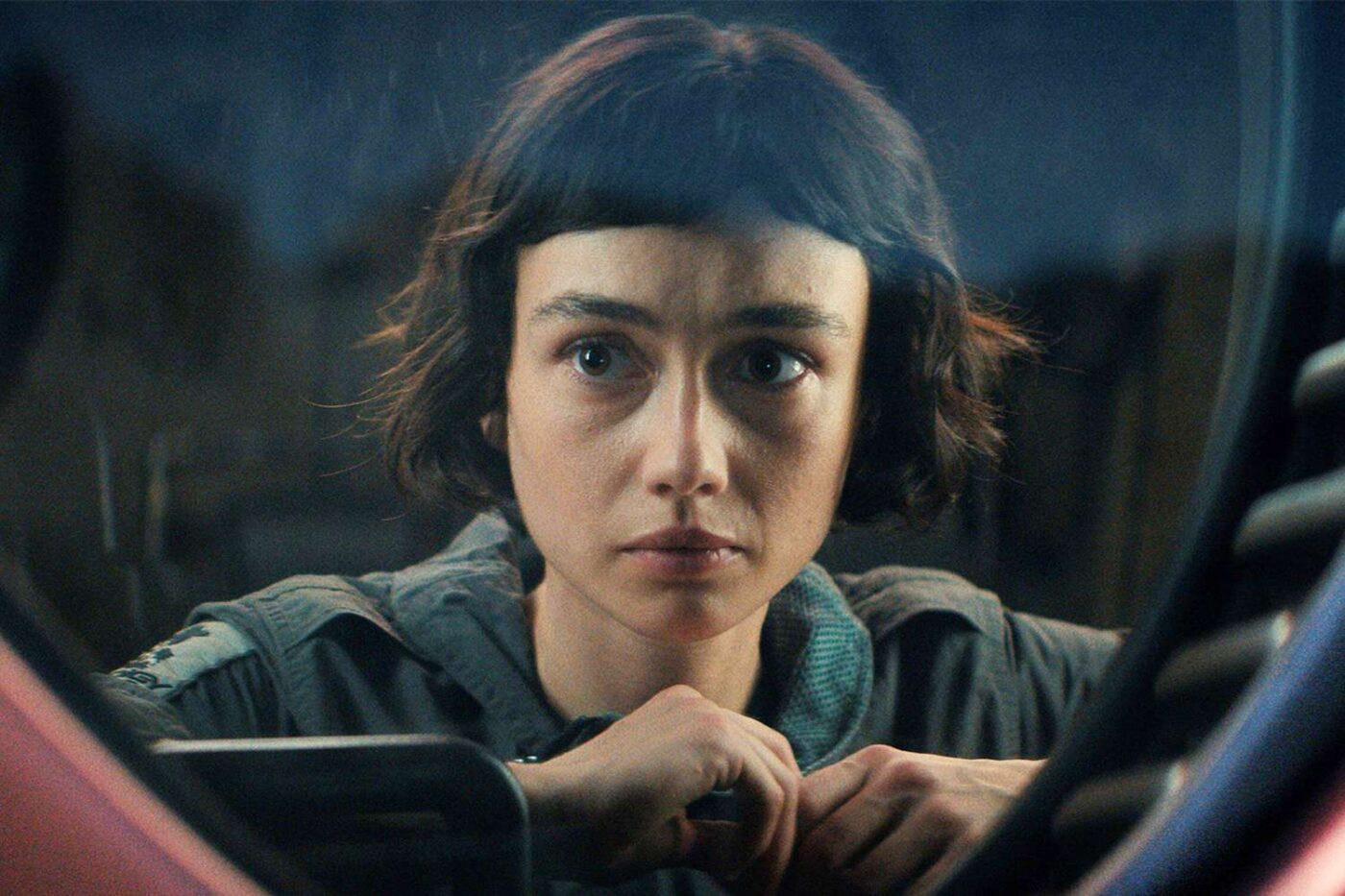
The opening episodes establish this new direction with confidence. Instead of isolated starships, the story unfolds across jungle islands and urban districts where life is abundant. When the USCSS Maginot crashes near a city and releases xenomorphs along with several other non-terrestrial species, the danger becomes immediate and invasive. The threat no longer lurks in abandoned corridors. It spreads across populated habitats and through ecosystems that cannot contain it. This change increases the sense of vulnerability. It also forces civilian populations, military units, and corporate actors into direct confrontation with the consequences of technological ambition. At the center of this response is an experimental hybrid task force, led by the compelling and conflicted Wendy, portrayed by Sydney Chandler.
The threat no longer lurks in abandoned corridors. It spreads across populated habitats and through ecosystems that cannot contain it.
The choice to situate the horror on Earth intensifies the narrative tension. The forests introduce natural unpredictability, while the city compresses danger into crowded streets, surveillance systems, and fragile infrastructure. These spaces heighten the urgency of the threat and sharpen the contrast between human systems and extraterrestrial predators. The stakes feel both global and intimate as survival becomes entangled with ambition, exploitation, and fear.
A central strength of the season lies in its examination of the boundary between organic and synthetic life. Wendy, created by the Prodigy Corporation, embodies this intersection. Her arc begins with uncertainty and evolves into determined self-possession as she navigates her hybrid nature. She questions the extent of her autonomy, struggles to interpret her own responses, and searches for coherence between instinct and programming. Her ability to decipher xenomorph vocal patterns sets her apart from the other hybrids, although it raises questions about the logic of the corporate experimentation that produced her. Despite these inconsistencies, her psychological development provides a strong emotional foundation for the season.
The other hybrids, known as the Lost Boys, receive less consistent attention. Their portrayal varies in depth, and their storylines sometimes lack the clarity necessary to support the series’ broader themes. Their injuries, reactions, and recoveries are not always logically presented. These gaps reduce the potential impact of the series’ exploration of identity and agency beyond Wendy’s perspective.
Running parallel to Wendy’s journey is the arc of Morrow, played by Babou Ceesay. As a cyborg committed to technological rationality, Morrow initially dismisses emotional experience as a weakness. His gradual recognition that human resilience cannot be reduced to mechanical principles forms one of the season’s most compelling transformations. His interactions with Wendy frame the series’ deeper questions about consciousness, autonomy, and the irreducible qualities that define life.
Showrunner Noah Hawley reinforces these ideas through a narrative style marked by philosophical reflection and carefully built tension. The series encourages the viewer to consider the consequences of blurred boundaries between person and product, instinct and code, and biological existence and engineered life. Although some viewers may expect more traditional suspense, the series rewards a patient engagement with its conceptual and emotional aims.
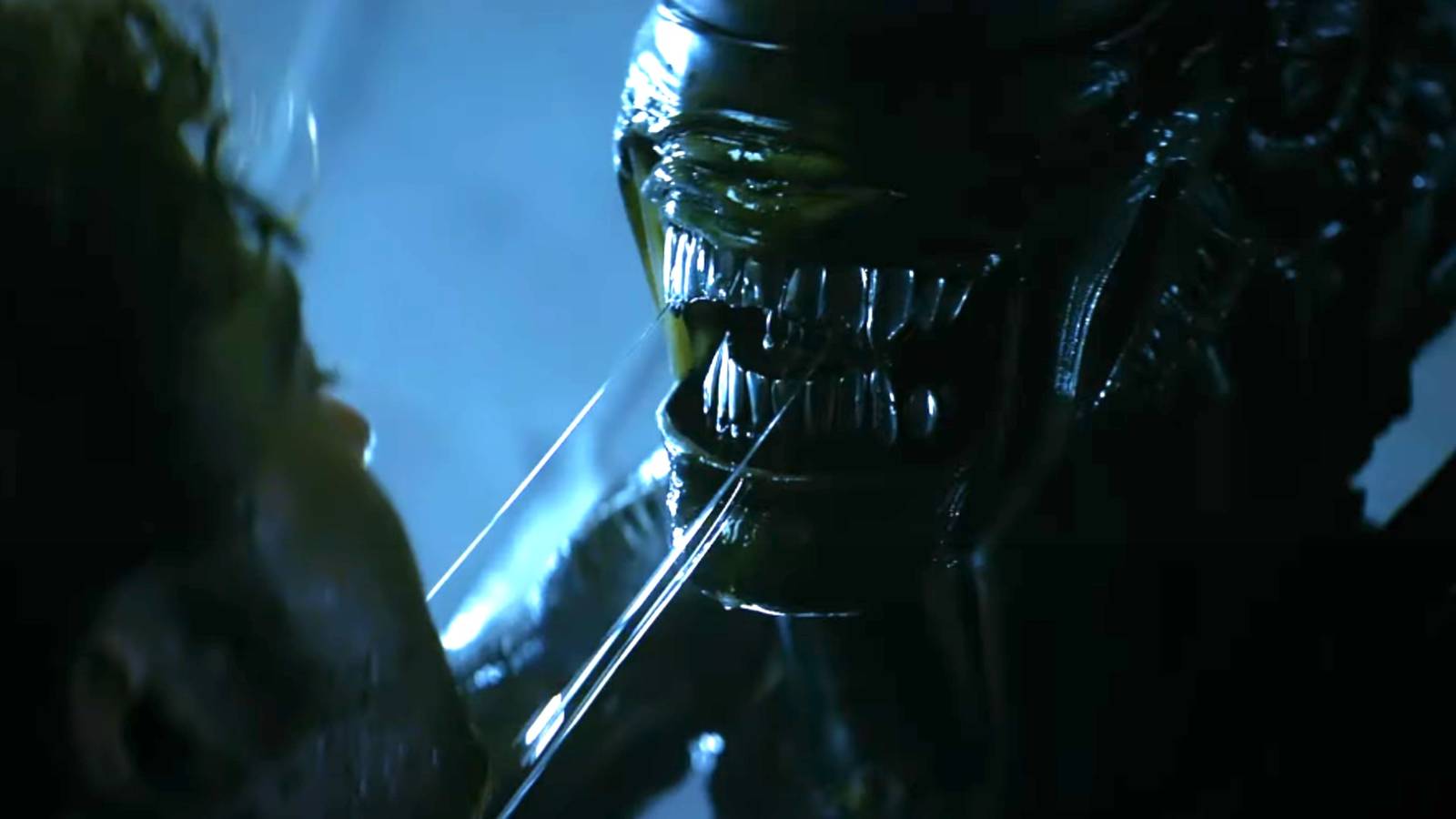
The production design strengthens this vision. The season relies heavily on practical effects, drawing inspiration from the tactile horror of Alien. Creature suits, puppetry, and prosthetics give the xenomorphs weight and presence that engage both the actors and the audience. These choices increase the authenticity of the fear on screen. Scenes involving direct physical interaction between characters and creatures carry a visceral charge that digital effects often struggle to achieve. Even the controversial decision to place the xenomorphs in full sunlight demonstrates a willingness to experiment with the visual language of the franchise. It changes the tone, but it also reinforces the idea that horror has expanded into public and open terrain.
Scenes involving direct physical interaction between characters and creatures carry a visceral charge that digital effects often struggle to achieve.
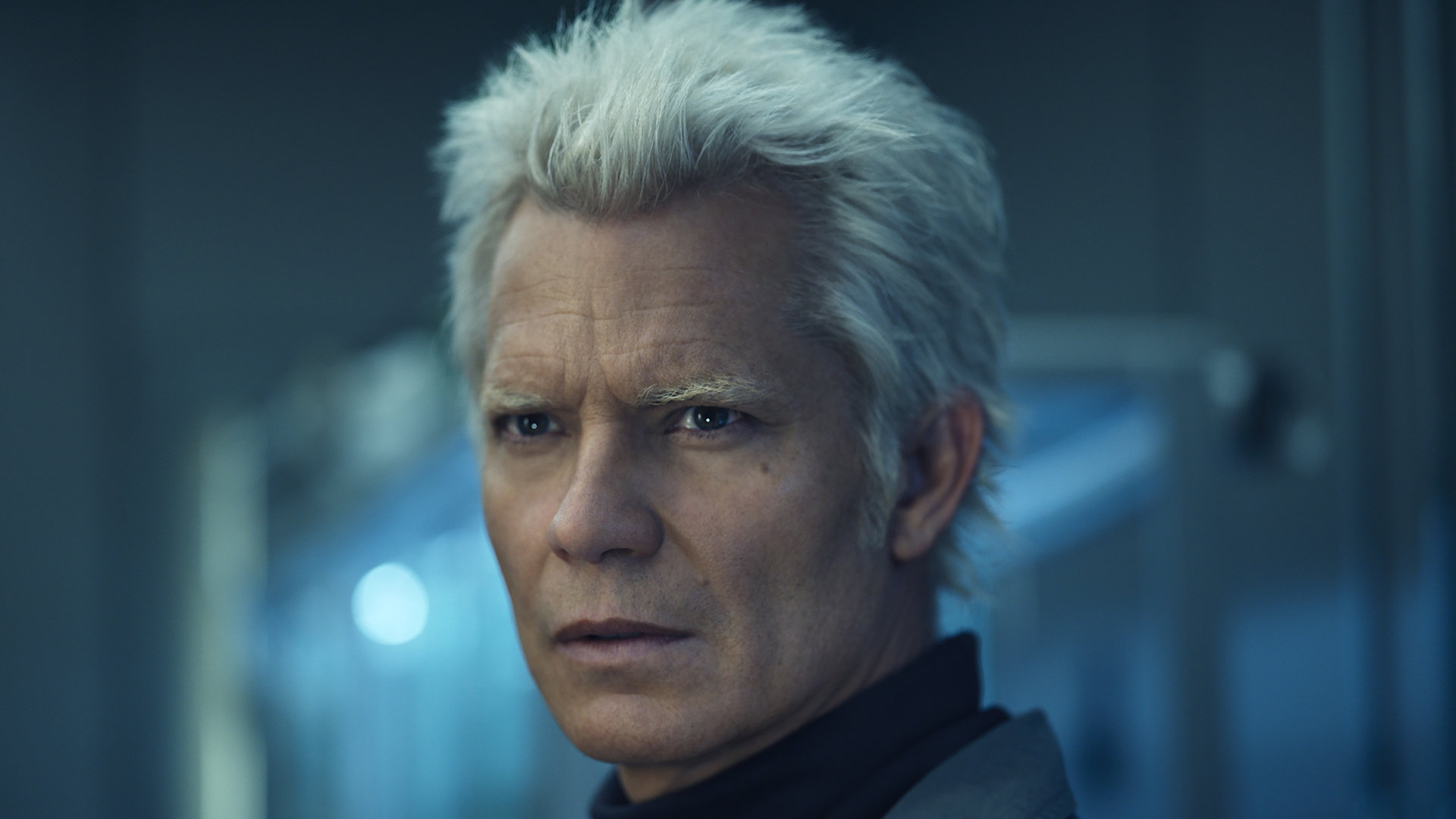
The cast delivers performances that support the show’s emotional and thematic ambitions. Sydney Chandler captures Wendy’s gradual emergence from uncertainty to determination. Timothy Olyphant brings dry precision to Kirsch, a synthetic figure tasked with guiding the hybrid children while confronting his own limitations. Babou Ceesay’s portrayal of Morrow remains central to the series’ intellectual and emotional impact. Samuel Blenkin, as Boy Kavalier, embodies corporate ambition with unsettling clarity, although some secondary characters, such as Essie Davis’s Sylvia, are not always given consistent narrative space.
The use of prosthetics and physical augmentations extends to the hybrids and cyborgs as well. Their designs support the show’s focus on embodied tension and the friction between human and engineered identities.
The season’s ambition sometimes becomes a challenge. Midseason episodes introduce diversions that enrich character history but disrupt narrative momentum. The finale leans toward ambiguity, postponing major resolutions in favor of open questions that prepare the ground for future seasons. For some viewers, this will align with the series’ reflective nature. Others may find the lack of narrative closure unsatisfying.
Certain logical inconsistencies also interrupt immersion. Wendy’s unique abilities are not fully explained. The resilience of some hybrids stretches credibility. Several decisions made by corporate characters appear designed primarily to advance the plot rather than reflect realistic motivations. These issues do not overwhelm the season, but they reveal the tension between the show’s philosophical ambitions and its narrative execution.

One of the most intriguing creative choices is the introduction of new alien species, including parasitic insects, carnivorous plants, and the memorable T. ocellus, an intelligent and mischievous creature that expands the series’ biological world. This variety enhances the ecological dimension of the setting and suggests new possibilities for future storytelling.
Music and sound design contribute to the series’ atmosphere. The soundtrack incorporates music ranging from 1990s rock to mid-century standards, sometimes creating a nostalgic undertone that contrasts with the retro-futuristic setting. These juxtapositions occasionally work against the mood, but they also highlight the series’ interest in memory and emotional residue. Cultural references, such as Wendy’s childhood connection to Ice Age, create similar tensions. They humanize the characters while briefly limiting the immersive effect of the world-building.
The soundtrack incorporates music ranging from 1990s rock to mid-century standards, sometimes creating a nostalgic undertone that contrasts with the retro-futuristic setting.
As the season concludes, the relationship between Wendy and the xenomorph presence shifts. Their hostility becomes more measured and uncertain, suggesting the possibility of future conflict, communication, or negotiation. This dynamic indicates that the series intends to explore psychological and existential questions rather than rely exclusively on traditional antagonism.
Overall, Alien: Earth delivers an inventive and thoughtful reimagining of the franchise’s core themes. Its terrestrial setting introduces new visual possibilities and narrative challenges. Its strongest performances give weight to its exploration of autonomy, identity, and survival. Although the season occasionally falters in coherence and pacing, it succeeds in expanding the franchise into new intellectual territory.
Alien: Earth invites viewers to reconsider familiar horrors from a new vantage point. Through its grounded setting, emphasis on practical effects, and thoughtful engagement with contemporary questions, the series establishes itself as both a continuation of the franchise’s legacy and a meaningful departure from previous forms. It signals a future in which the Alien universe continues to provoke thought as well as fear, animated by the enduring tension between humanity, technology, and the unknown.