
The Sandman Season 2
A Respectable Conclusion
The Sandman season two deepens Neil Gaiman’s mythic universe with a slow, meditative exploration of power, grief, and change—balancing cosmic spectacle and intimate emotion in a haunting reflection on family, duty, and transformation.
Overall
-
Acting
-
Plot
-
Cinematography
-
Pacing
Neil Gaiman’s The Sandman thrives at the crossroads of fantasy and real emotion. The original comic books from the late 1980s brought together ancient myths and modern anxieties in ways graphic storytelling had rarely attempted. With Netflix’s adaptation, that legacy is both honored and reimagined. Transitioning from page to screen brings its own challenges; but the show stretches confidently into its second season and leverages its willingness to slow down, even come to a standstill occasionally, to probe the boundaries between power and vulnerability, memory and transformation, fantasy and the burdens of family.
Season two doesn’t waste time rehashing old ground. Picking up immediately after the first season’s final moments, the show deepens its exploration of Dream—also called Morpheus—and his otherworldly siblings, the Endless. These cosmic beings exist outside the normal rules of time and mortality and face dramas that simultaneously feel intimate and unfathomable.
Dream’s odyssey this season is cut through with regret and a longing to make amends. He is surrounded by questions of legacy: Can he change despite claiming to be eternal and immutable? And can he mend cosmic rifts, not least with his brother Destruction, who has walked away from the family and his duties altogether? The story feels ambitious, layering these questions across a tight twelve-episode arc.
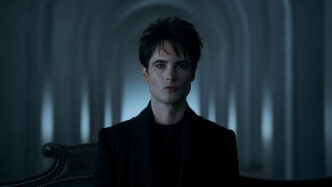
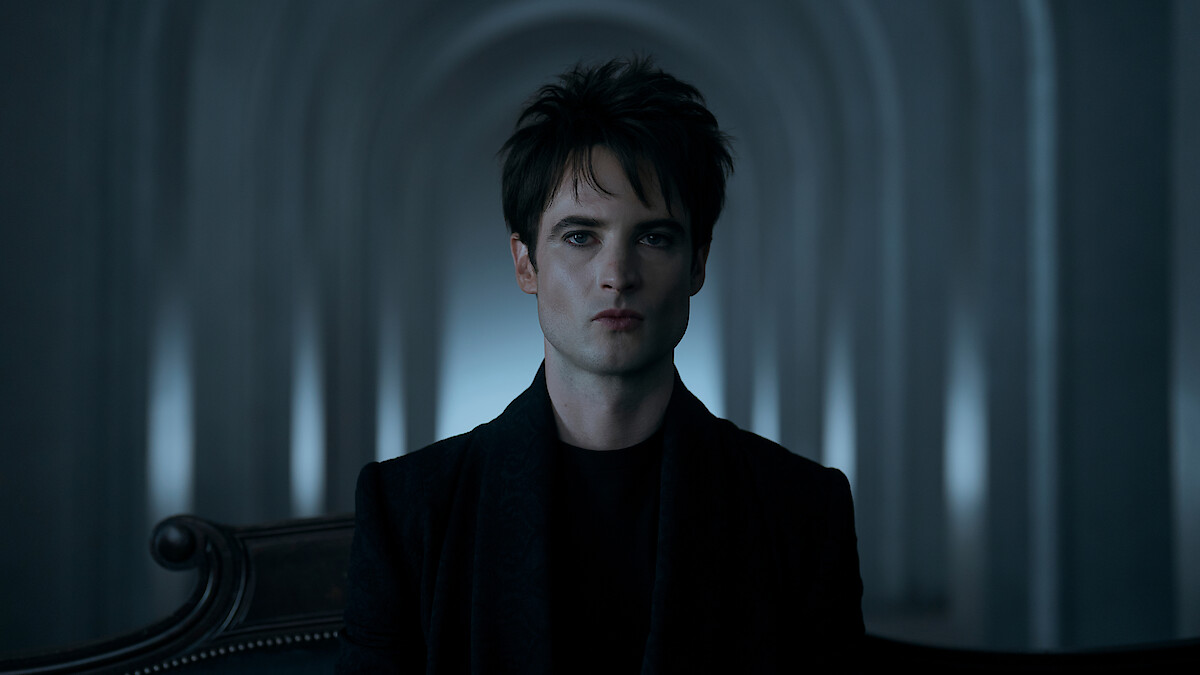
What stands out is the manner in which the show moves between these sweeping mythological stakes and the quieter moments that define its characters. While fantasy television often focuses on spectacle, The Sandman seems determined to do more. Tom Sturridge shoulders much of that responsibility, leading the cast as Dream with a measured blend of gravity and fragility. His Dream is ethereal, a being of mist and shadow, but unmistakably human in his sadness, regrets, and flashes of hope. That performance subtly acts as a gravitational force, pulling the audience alongside him no matter how strange the story’s turns.
His Dream is ethereal, a being of mist and shadow, but unmistakably human in his sadness, regrets, and flashes of hope.
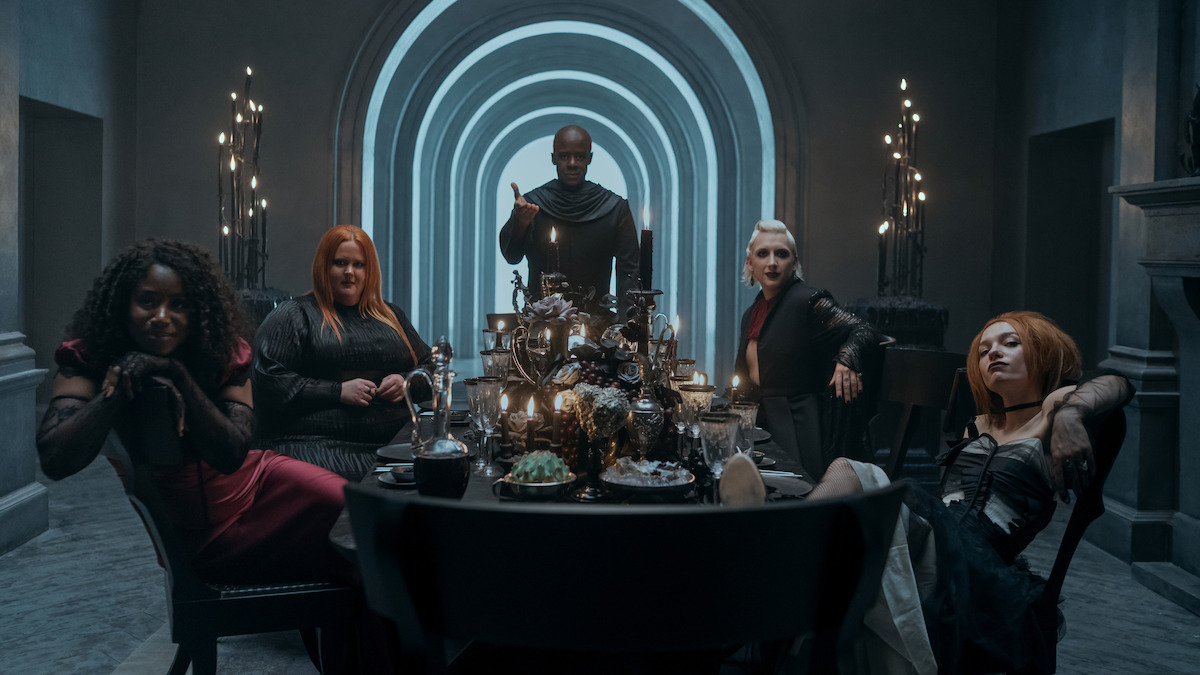
The show is never just about Dream either. The ensemble around him builds multiple storylines, each offering a different take on the impossible family dynamics at the heart of the Endless. We see the chaos and sorrow in Esmé Creed-Miles’ Delirium, the shifting danger in Mason Alexander Park’s Desire, and the gentle calm offered by Kirby Howell-Baptiste’s Death. Each brings their own emotional weight, grounding immortals in wounds and regrets that feel familiar to anyone who’s ever tried to untangle fraught family ties. Their interactions form much of the season’s heat and heart; moments between siblings linger with a sense of unfinished conversations, old arguments, and the small, necessary kindnesses that bind people together even when their world is falling apart.
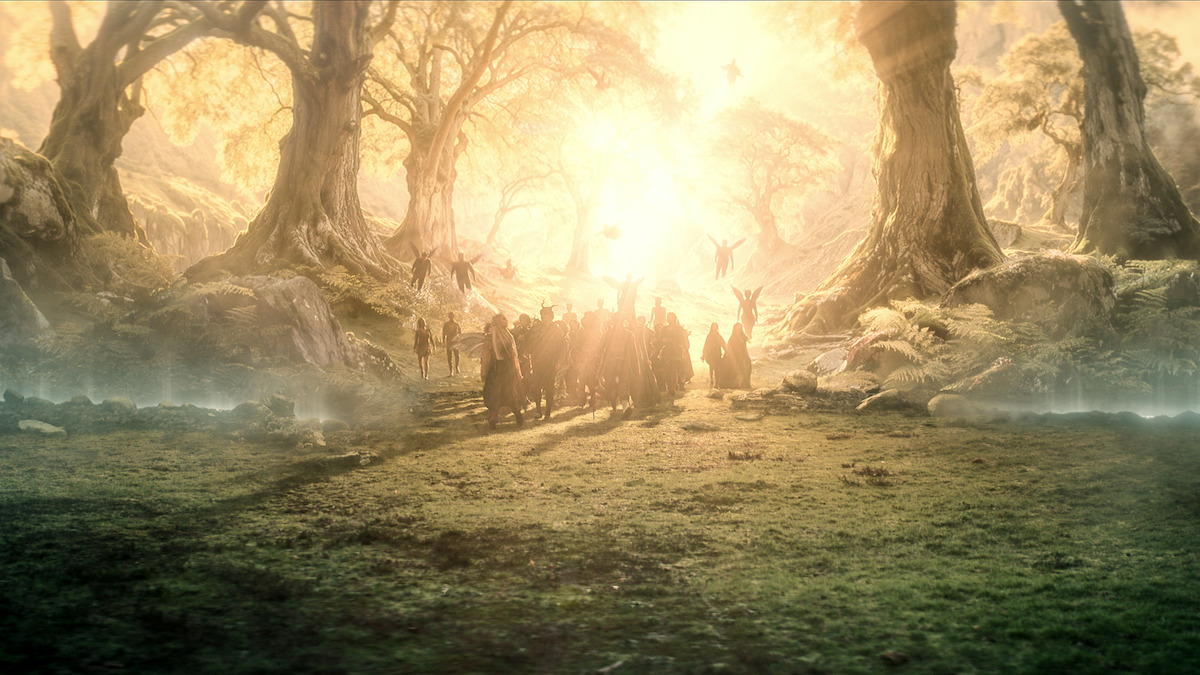
The visual language of The Sandman leans heavily into the moodiest corners of its mythos, conjuring up sets that seem equal parts gothic cathedral and dream logic. The Dreaming is a landscape of impossible beauty and gentle horror; Hell is rendered as both literal and psychological torment. The show does not try to outpace the visual inventiveness of the comics, knowing it cannot. Instead, it crafts television vistas built for atmosphere. Lighting and costume design do much of the heavy lifting, signaling shifts in tone and theme. Occasionally, a special effect falters, breaking the spell for a breath, but largely, the world remains gorgeously immersive. The show seems to want to reward viewers who pay attention to shadows and symbols.
Yet adaptation always comes with difficult choices, and nowhere is that clearer than in how the season is divided into two volumes. The first is packed, almost rushing at times, with dense philosophical debates and the navigation of the Endless’s tangled mythologies. There’s an intensity to these early episodes, a swirl of old grudges and looming threats that keeps the plot in motion. As the season turns its focus inward, however, everything slows. Dream grapples inwardly with his failures and uncertainties. This shift can challenge even committed viewers; the midseason lull sometimes feels like waiting for a storm that never quite breaks. Still, these existential pauses allow the drama to build in ways that fight against the expectations of loud, action-driven fantasy. We’re made to sit with our characters and consider the costs of their choices.
The midseason lull sometimes feels like waiting for a storm that never quite breaks.
Just as the pace almost halts, the second volume launches the story forward with the tale of Orpheus, Dream’s son, and the disaster that follows Dream’s act of mercy. Here, we see the classical structure of tragedy grafted onto cosmic intrigue. The Furies, the Kindly Ones, arrive, challenging Dream’s right to rule and to judge. The lines between justice and vengeance blur. Dream, for all his power, faces threats no shield can turn, forced to defend his realm while wrestling with the knowledge that the laws of gods are unyielding and his own hands are stained. These episodes are some of the tensest and most affecting of the series, reminding us that even in a universe of immortal beings, the consequences of family—love, betrayal, grief—are ultimate.
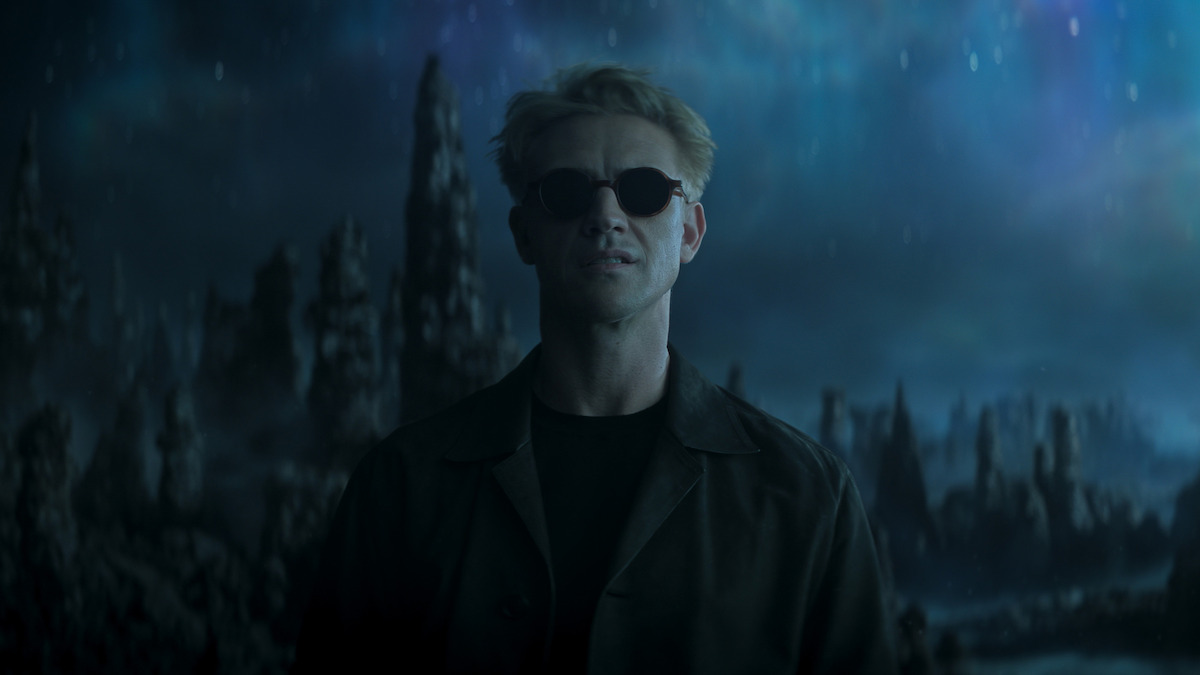
This season, new characters enter, each more than just a plot device. Freddie Fox’s Loki brings sly humor and shifting alliances, his every word hiding an angle. Jack Gleeson’s Puck is mischievous yet morally hard to pin down, while Jenna Coleman’s Johanna Constantine returns as a grounded investigator, helping balance the show’s cosmic abstractions with grit. Boyd Holbrook’s Corinthian, a living nightmare, remains dangerous and impossible to predict. There’s Ann Skelly’s Nuala too, a fairy whose quiet courage is easy to underestimate. These supporting players are written in ways that avoid easy stereotypes, and their presence raises the stakes: not just in terms of plot, but also for Dream and his self-understanding.
Loss and death are recurring currents, and the show doesn’t flinch from the pain that comes with them. Characters are killed off with little warning, sometimes in the coldest, most unceremonious fashion—the show’s way of reminding us that immortality is never simple. When Dream gives orders that end in a companion’s demise or watches the Kindly Ones bring vengeance, there is real gravity. The audience feels the loneliness that comes with power, the cost of holding onto grudges, and the ache of unavoidable change.
The narrative reaches for a tone that is melancholic, honoring the source material’s tragic roots without feeling forced. The tension is not just narrative, it becomes emotional. The audience is now waiting for catharsis that the show wisely withholds or delivers only in small, painfully honest fragments.
Where The Sandman truly finds its groove is in its refusal to stay inside the lines of any single genre. It moves from mythic tragedy to psychological drama, ghost story to family soap, and never lets the audience quite settle. This tonal restlessness, inherited from the comics, is not always easy to follow. There are moments when a monologue runs long or a meditative scene loses dramatic energy—but these are deliberate risks. By pausing over questions of fate and free will, grief and change, the show establishes itself as something more than a fantasy epic. It becomes a meditation on immortality, on the ways that even gods must reckon with their own hearts.
By pausing over questions of fate and free will, grief and change, the show establishes itself as something more than a fantasy epic.
There are times where this ambition becomes a stumbling block. The relentless introspection sometimes slows momentum, especially in the second set of episodes. Sturridge’s performance, so often a strength, can make scenes feel monochromatic; his Dream, lost in thought and regret, occasionally draws other characters into roles of emotional support more than co-conspirators. This, from time to time, also means confrontations and confessions fail to achieve the dramatic velocity the story seems to need. Both the narrative and Dream circle around the question of whether even the oldest gods can change, while often refusing the audience the satisfaction of seeing transformation play out fully or cathartically. In its most challenging passages, this restraint feels as if tragedy is being signaled but not allowed to explode.
The visual departures from the comic source material can also be jarring. Television budgets nudge the production away from the comics’ surrealism. The sets create a gothic mood, but are often reminiscent of period dramas as much as fantasy. Moreover, urban settings ground the stories rather than lifting them into myth. For some, this unique approach strengthens the show’s contemplative mood; for others, it feels like a missed opportunity to conjure the Dreaming’s infinite possibilities.
Against these limitations, though, The Sandman never strays from its central themes. The final act of the season draws together the disparate storylines, letting them coalesce around a subtle revelation: even the most ancient powers draw their strength not from their own will, but from the belief of mortals. Dream, in coming to understand that he is shaped as much by human longing and stories as by his own cosmic desires, opens himself to small but meaning-filled transformation. The season’s gentle final notes insist that myth and memory can be sources of hope and that the future always holds the chance for healing and renewal.
Of course, not everything from the comics makes it to the screen. Side stories and odd digressions are streamlined, secondary characters sometimes sacrificed in the name of narrative elegance. But the heart—the strange, yearning, philosophical core that made The Sandman a touchstone for so many—remains. Partly, this is a testament to the ensemble cast’s ability to play the grand and the intimate all at once. The Endless, especially, are never just types; their family squabbles, loyalties, and rivalries have an uneasy familiarity whether they’re immortals or not. These relationships anchor the story’s blend of spectacle and introspection, making it feel at once cosmic and deeply personal.
Ultimately, season two stands as a study in adaptation—an ongoing negotiation between faithfulness and reinvention. The Netflix series bows to Neil Gaiman’s world-building genius but does not bow too deeply, using the rhythms and aesthetics of television to shape its own story. The grandeur stays, but what it highlights are the human-sized stakes: questions of duty, the ache of old wounds, and the fragile hope of forging something new from loss.
As the season fades to black, what lingers isn’t the strict resolution of every plot thread or the certainty of where the story is headed next. Instead, it is a sense of possibility, a recognition that even in a universe ruled by rules older than time, change is not only possible but sometimes necessary. Season 2 asks serious questions: Can we forgive? Is there hope, even when the end seems certain? The final scenes invite us to imagine Dream—no longer just a prisoner of his own nature—stepping into a future shaped by compassion, memory, and renewal. If the Endless can learn, perhaps we can too.