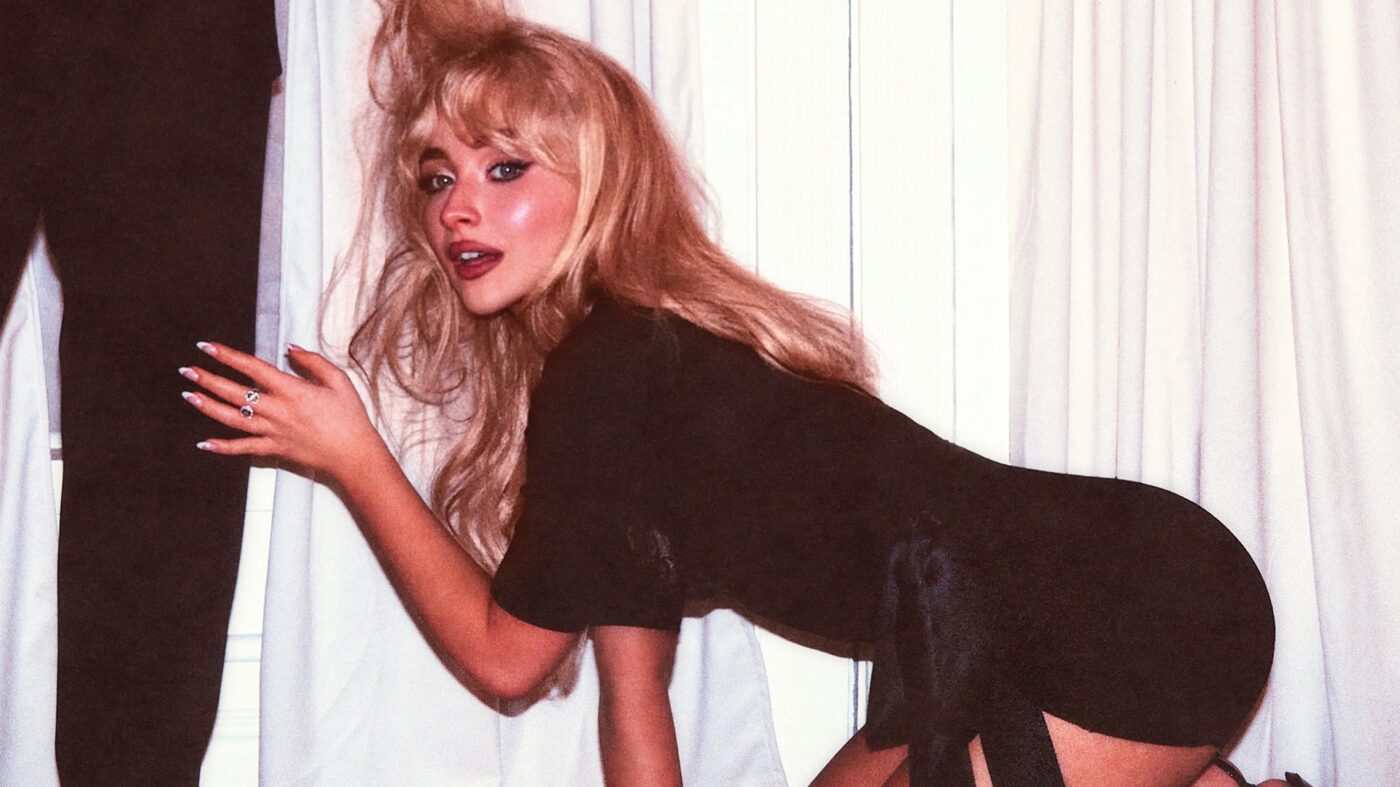

Sabrina Carpenter’s Man’s Best Friend album cover dropped into the pop culture landscape like a bright flare—arresting, provocative, and instantly polarizing. The cover, showing Carpenter on all fours with a man’s hand gripping her hair, has fueled heated debates about the boundaries of satire, images of femininity, and what empowerment really means in today’s crowded pop market. Like so many moments in modern music, it’s a single image that tells a complicated, layered story. Exploring those layers is less about hunting for a neat answer and more about tracing the shapes of how culture, controversy, and art mix in a world where every visual choice sparks a thousand interpretations. We examine if Sabrina Carpenter’s new album cover skirts the edge of controversy for its own sake, or if it has something meaningful to say.
At first look, the cover’s visual language draws from old-school sources: pin-up art, postwar domestic scenes, and histories of women posed in ways that highlight both allure and vulnerability. The pose is theatrical—Carpenter, in a glossy, stylized setting, stares ahead, her eyes wide with something that could be curiosity, defiance, or calculated submission. The cropped male figure and his controlling gesture take the scene straight into the realm of iconography we’ve seen in mid-century advertising, and classic Hollywood, where power dynamics—usually unspoken—are rendered in carefully staged images. It’s familiar enough to spark a feeling, but developed just enough to seem like a performance of those familiar ideas, as if Carpenter is both referencing and reframing them.
Much of the current debate starts here: Is this pure provocation, a tongue-in-cheek critique, or does it accidentally give new life to the very dynamics it appears to mock? Some viewers are quick to spot irony. The cover’s deliberate exaggeration, with Carpenter’s stylized submission and the faceless male presence, suggests a knowing commentary on the “male gaze”—that ingrained habit in media and art of seeing women as objects for consumption or desire. Here, the image feels like an uncomfortable mirror, holding up the old tropes for all to see, and asking us to question why they still resonate in the first place. This kind of satire has a lineage running through pop feminism: Madonna’s play with Catholic iconography, Miley Cyrus’s wild swing from teen star to unfiltered provocateur, and Doja Cat’s transformations that both poke fun at and capitalize on internet stereotypes.
Not everyone accepts that reading so easily. Critics are quick to argue that irony—no matter how sharp—can sometimes turn back on itself. For every fan who sees a feminist statement, there’s someone who sees the trope of female submission simply being replayed, not challenged. These images, rooted in 1950s ideas about women’s “place,” remain too loaded for irony to always succeed. For many, Carpenter’s pose is less a reclaiming than a recycling of norms that say women must choose between looking powerful or being palatable, between playfully mocking submission and risking being seen as endorsing it.
The concept of “choice feminism”—the idea that any choice a woman makes is empowering—complicates things further. When female pop artists draw on risky or controversial imagery, especially imagery that’s long been defined by patriarchy, it’s tempting to defend those choices as inherently feminist. But critics point out that this can blur the line between agency and accommodation, as if the ability to make any choice, no matter the context, is always emancipatory. The Man’s Best Friend cover puts such questions in the spotlight: Is reclaiming the symbols of oppression and twisting them into a performance actually subverting power, or is it just embracing old scripts in new packaging?
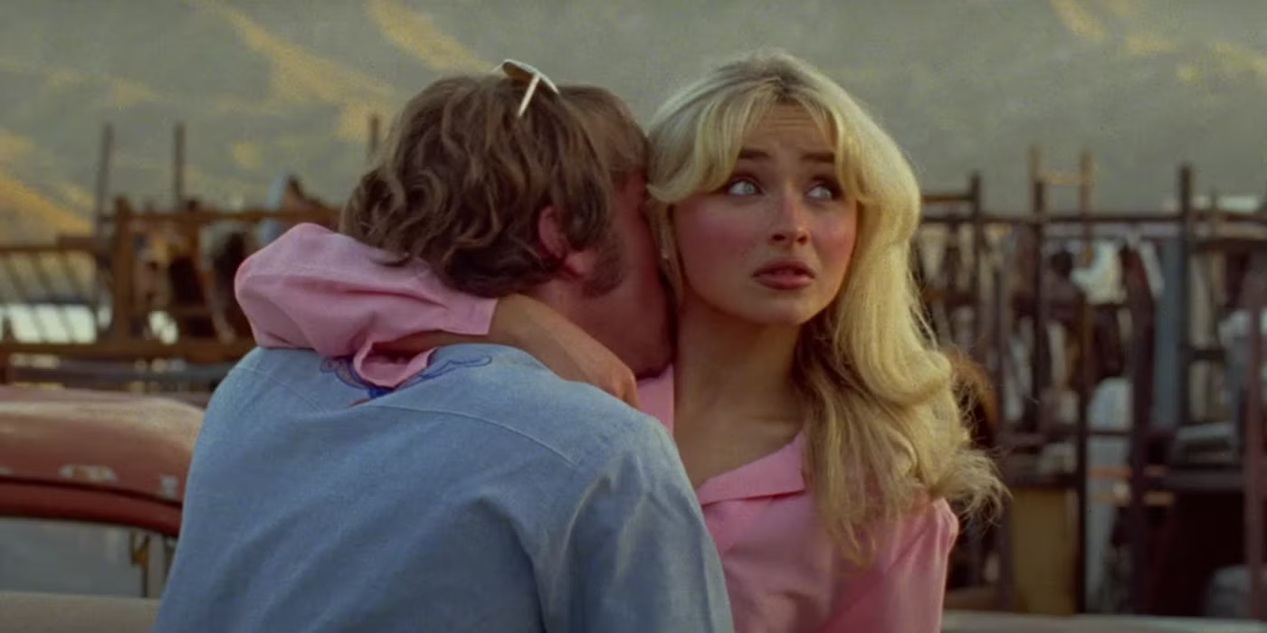
There’s also an unavoidable context of age and sexuality at play. The “Lolita” trope—a blend of innocence and provocative allure—hovers in the background. Carpenter’s wide-eyed vulnerability and overt submission invite old anxieties about how culture frames youth and female sexuality. Though her team emphasizes satire, the pose and styling evoke a history of uncomfortable juxtapositions between naivety and adult desire, raising further questions about exploitation and consent that can never be entirely glossed over.
All of this controversy is fueled by the way Carpenter has shaped her public persona. Over the years, she’s become known for the sly wink, the playful subversion of expectations, the coquettish lyric that invites interpretation. Psychologists call this a “schema violation”—a break from the mental templates we use to decode art or behavior. Fans who have come to expect cleverness and empowerment from Carpenter have to recalibrate when they see an image loaded with signals of vulnerability and submission. This results in cognitive dissonance—a split in the mental frame that sets up exactly the kind of polarized reactions the cover has received.
For some, this is a masterstroke: Carpenter is in on the joke, using public confusion as a tool. People project their own expectations, biases, and cultural scripts onto the image. Those sympathetic to her empowerment see satire and agency, while skeptics see pandering or self-objectification. As with nearly every high-profile pop controversy, the debate quickly becomes a referendum on culture itself, with the artist’s possible intentions taking a back seat to the swirl of social media opinion and hot takes.
What makes cases like this so fraught is that meaning isn’t made in a vacuum. The way fans and critics read Carpenter’s cover has everything to do with broader dynamics about gender, sexuality, and the music industry’s longstanding reliance on controversy and spectacle to drive conversation—and sales. Female pop performers from Janet Jackson to Lady Gaga have balanced on this tightrope before, using hyper-stylized visuals to push, tease, and occasionally mock the scripts they’re expected to follow. Carpenter’s image fits into that tradition, making her both a case study in contemporary pop marketing and a flashpoint for deeper questions about art, autonomy, and cultural anxiety.
The photoshoots and visuals associated with the album push this dialogue even further. One series features Carpenter in gingham and floral prints, surrounded by deliberately old-fashioned props—deer, leaves, lace—all evoking “tradwife” fantasy and domestic Instagram aesthetics. But even here, nothing is as simple as it looks. Carpenter’s expression and body language disrupt the tableau, playing between sincerity and parody. It’s a performance that recognizes nostalgia but also exaggerates it, daring viewers to decide whether they are seeing a genuine embrace or a mocking sendup of gendered nostalgia.
This play with contradiction is not unique to pop music, but the stakes feel higher for women artists, who are asked to be everything at once: bold but safe, sexy but not outrageous, authentic yet polished. The role of the internet in this dynamic can’t be ignored. Debates over female celebrity imagery are now played out on a scale and with a speed that would have been unimaginable even 15 years ago. Each cover, each photo, becomes raw material for endless analysis, moral panic, celebration, or backlash. Feminist critique, once confined to academic journals, is now ordinary currency in online culture, with every image subject to the instant judgment of a global audience.
Fans’ emotional investment in Carpenter only adds more fuel to the fire. The parasocial bonds between young fans and pop stars are deep and complex. When an artist makes a move that appears to upend their established brand, those bonds are stressed; confusion and disappointment sometimes follow. In that space, fans argue about what the image “means,” often at cross-purposes—some defending their star’s right to challenge norms, others feeling betrayed or concerned. Carpenter’s decision to sit at the intersection of irony, satire, and provocation is both a creative tactic and an emotional risk.
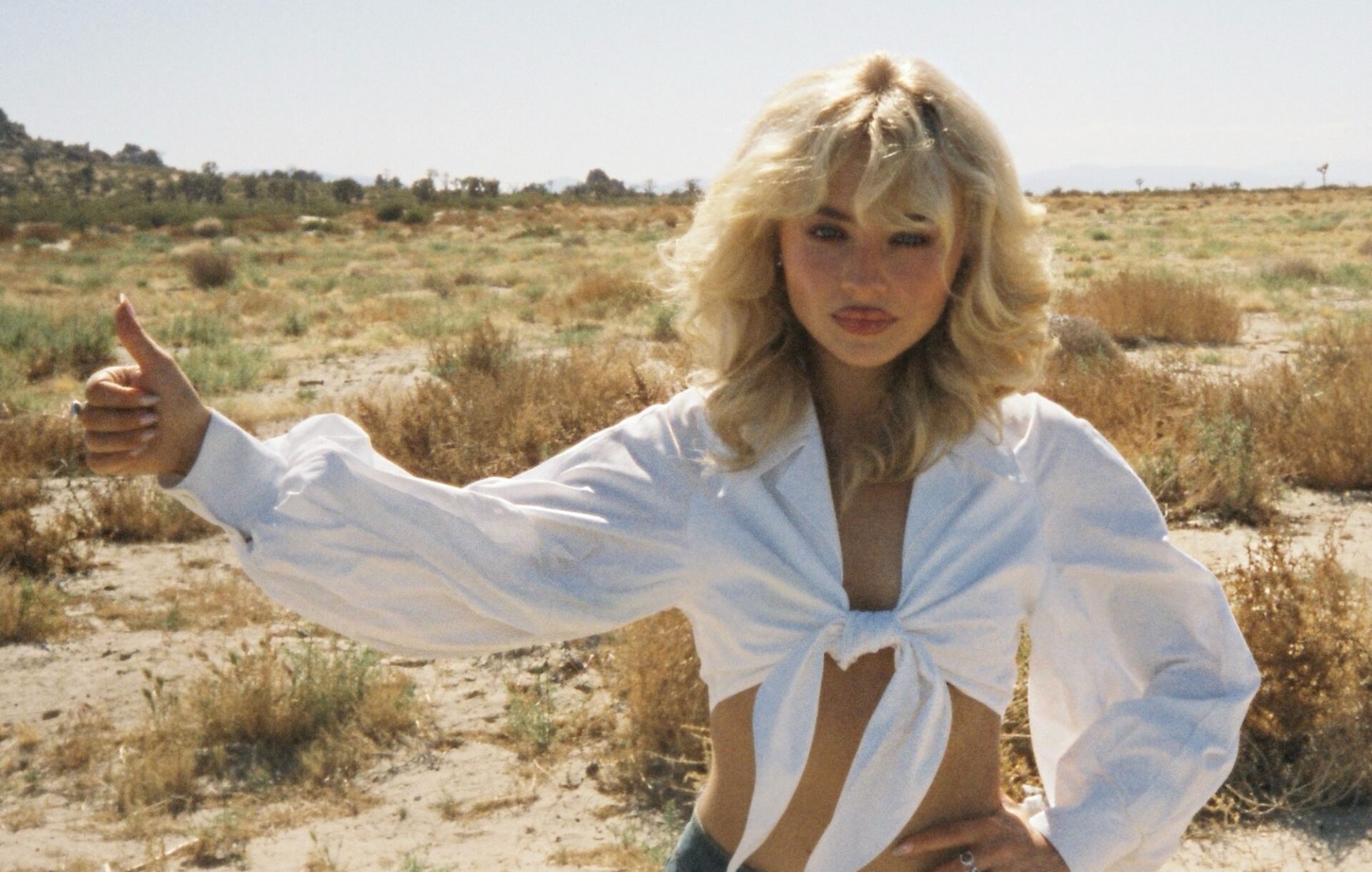
Over the past few decades, a handful of female pop stars have managed to turn controversy and contradiction into a kind of art form. Madonna’s Like a Prayer era leveraged religious symbols and sexuality to foster both outrage and unprecedented autonomy. Miley Cyrus’s rejection of her Disney image and embrace of hyper-sexual performance art reframed her career and expanded conversations about youth, agency, and the right to self-reinvention. More recently, Doja Cat has reinvented herself multiple times, each time challenging stereotypes while using spectacle to fuel engagement and critique. Carpenter’s Man’s Best Friend fits into this ongoing story, but brings its own set of nuances and unique stylistic choices.
The difficult question remains: Can satire and spectacle truly disrupt the patterns that shape the industry, or do they sometimes reinforce those patterns under a new aesthetic? The instinct to judge quickly, to categorize an image as either boldly feminist or dangerously regressive, is strong but perhaps too simplistic. Carpenter’s use of exaggerated femininity and references to outdated tropes doesn’t provide easy answers. Instead, it asks viewers to hold conflicting interpretations in tension—to recognize that performance, intention, and effect don’t always line up as neatly as we’d like.
This ambiguity is, in some ways, the point. The music industry has spent decades teaching performers—and especially young women—how to dance between empowerment and marketability, agency and expectation. Sexualized imagery still moves units, garners clicks, and stokes conversation. At the same time, audiences and critics demand ever more nuance, wit, and authenticity. Carpenter’s oscillation—sometimes ironic, sometimes sincere, sometimes unsettling—is both a response to and a symptom of this cultural unease.
Without ever settling on a single answer, the Man’s Best Friend album cover has become a kind of Rorschach test. It invites viewers to project their hopes, fears, and cultural baggage onto a single image. In doing so, it forces a conversation about what we want from pop stars in the 21st century—about the double binds that define celebrity, the limits of satire, and the cost of moving in and out of familiar roles.
The debate also reflects evolving attitudes in online feminism, where argument and outrage are commonplace and where the struggle over portrayals of female sexuality is ongoing. Some critiques are rooted in a genuine desire to protect women from harmful representation, but they can sometimes fall into the trap of new forms of policing, replicating the control they seek to resist. For artists, this means less freedom to explore, play, or take risks without risking backlash. In this new landscape, Carpenter’s choice to inhabit discomfort—rather than resolve it—reads as a deliberate, if sometimes precarious, artistic act.
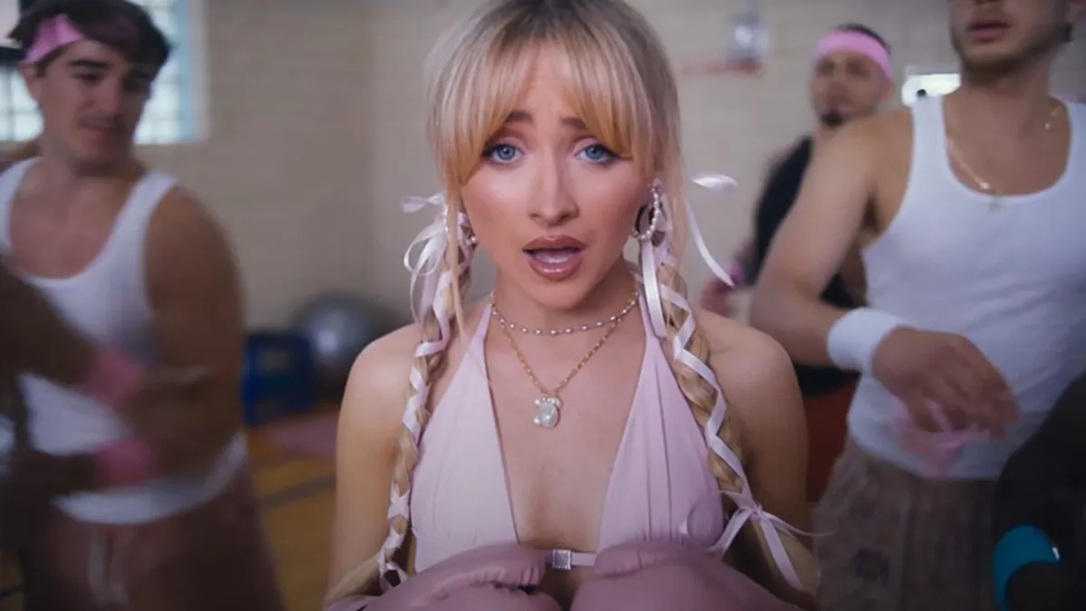
To look for a “correct” interpretation of the Man’s Best Friend album cover is probably to miss the point. The real significance of the image lies in its refusal to be simplified. It’s both critique and performance, a piece of pop marketing and a moment of cultural commentary. Carpenter operates in the gap between intent and effect, knowing that what she sets in motion will always be refracted through the unpredictable, often merciless lens of public opinion. The power, and risk, comes from letting that process play out without tying up every loose end.
For fans of pop music, the controversy is not just about an album cover, but about the broader work of negotiating identity, agency, and vulnerability in a commercial world still ruled by old rules wearing new clothes. Carpenter’s journey mirrors that of peers who have been both icons and targets—who have sometimes leaned into caricature as a defense or a provocation, and who have always faced the challenge of deciding what kind of story their art is actually telling.
In the end, Man’s Best Friend stands as more than a single image or scandal. It is a snapshot of unsettled cultural territory, where each attempt to define what is empowering—what is regressive, what is ironic, what is sincere—reveals deep fractures in how art, marketing, and identity are entwined. The album cover’s true provocation is not found in the image itself, but in the way it pushes everyone—fans, critics, and the artist herself—to live inside the discomfort of ambiguity, to recognize that meaning is always unfinished and that the story of empowerment is written anew with every bold, controversial, or complicated choice.