
One of the Best Pieces of Star Wars Media in Recent Memory
Summary
We explore how Andor reinvents Star Wars, diving deep into themes of rebellion, fascism, and sacrifice. Through complex characters and bold storytelling, the series delivers a powerful, timely narrative that revitalizes the franchise.
Overall
-
Plot
-
Narrative
-
Acting
-
Characterization
-
Pacing
Star Wars has been a story of good and evil told on an operatic canvas. Through the fight between the heroic rebels and the fascist Empire, it tackled serious themes, but in broad strokes. The conflict was portrayed on such a grand scale, without exploring the ramifications of the events in the story, that we rarely grasped the evils of the Empire at a micro level or the real toll of a rebellion. Which is why entire planets with billions of people blowing up would only elicit sad faces from our characters, and the films could still maintain their action-adventure tone. The villains who committed such planetary-level genocide could still be redeemed at the end of their stories with one act of goodness. None of this is to downplay the films’ impact as stories. Star Wars has produced some of the most poignant and emotionally resonant moments while remaining within the confines of its simplicity. But nearly 50 years after the original film, if you’re still telling stories about fascism, rebellion, and the light vs. dark binary, then you must evolve. You must dig deeper. You must be bold. Our review of Andor season 2 looks at how it fares against its predecessor and as a series as whole.
So when Andor—the prequel to Rogue One—came with characters like Imperial officer Dedra Meero (Denise Gough) navigating the bureaucracy of the Empire, senator Mon Mothma (Genevieve O’Reilly) sacrificing her daughter in a political marriage only to fund the rebellion, and the morally grey Luthen Rael (Stellan Skarsgård) whose methods of rebellion are often indistinguishable from the enemy, it loudly announced that it’s unlike anything we’ve ever seen from Star Wars.
Instead of Skywalkers and Palpatines, writer-showrunner Tony Gilroy focused on the ordinary people at the periphery of the saga, how even their smallest acts of defiance echoed through the galaxy. Each impassioned monologue and Imperial meeting had the ferocity of light-saber duels, with actors operating at the height of their powers, fueled by writing belonging to prestige television. By the end of the first season, the Empire didn’t just feel like an abstract threat in a galaxy far far away with the imagery of Nazi Germany merely coated over it. Gilroy has been vocal about his fascination with the rise of fascism and rebellions throughout human history, and how various real-life events inspired him. The result is a show that reflected the evils of our world with such specificity that I felt a genuine spark of rebellion surge through me, wanting to jump through the screen and fight the Empire myself. Radicalized, just like Cassian Andor (Diego Luna).
Following the critically acclaimed first season, the long-awaited second and final season arrived three years later. Its focus shifts from the spark of rebellion to its organization. Characters with conflicting visions of victory must collaborate to defeat their common enemy. They can no longer operate from the shadows. The rebellion must be put on the galactic stage.
The season’s centerpiece is the Empire’s secret “Energy Project” (which is revealed to be the superweapon Death Star) and their need to mine the planet Ghorman for resources at the cost of innocent lives. The clock is ticking, and the Empire’s strength is growing beyond comprehension.
Each three episodes cover a single arc, followed by a one-year time jump. So, the twelve episodes end up covering 4 years’ worth of stories. Some key events happen off-screen, which would’ve made for compelling drama if shown. But overall, the structure allowed Gilroy to drop us at the most crucial points in this sprawling story and give the season an epic proportion. The audience is expected to keep up with the accelerated pace, filling in the gaps between the events.
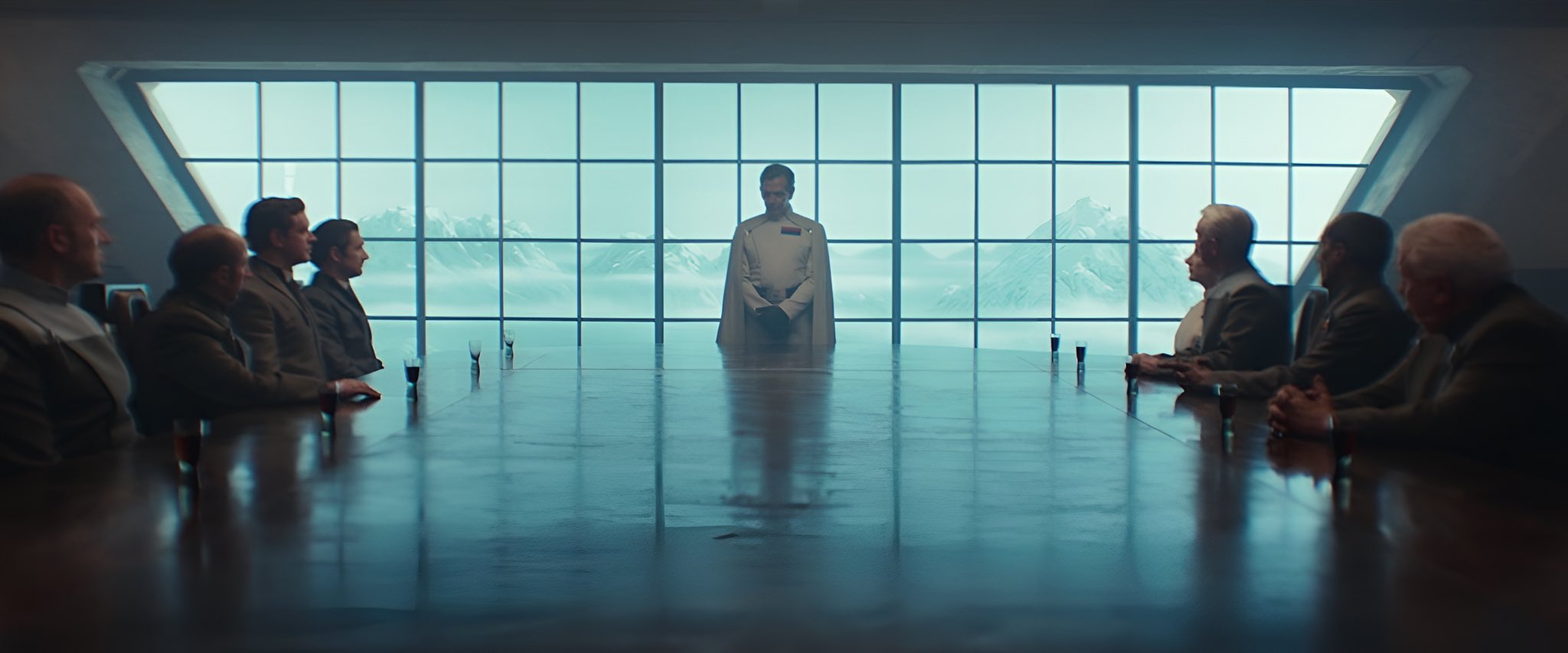
In the first arc, Cassian—now fully committed to the cause, going on missions on behalf of Luthen—encounters rogue rebels on a jungle moon (later revealed to be future rebel base Yavin). Amidst their infighting, we see the dire need for unified leadership. Orson Krennic (Ben Mendelsohn) from Rogue One returns and initiates the Ghorman plot in a scene chillingly reminiscent of the Wannsee Conference, where Nazis orchestrated the Final Solution.
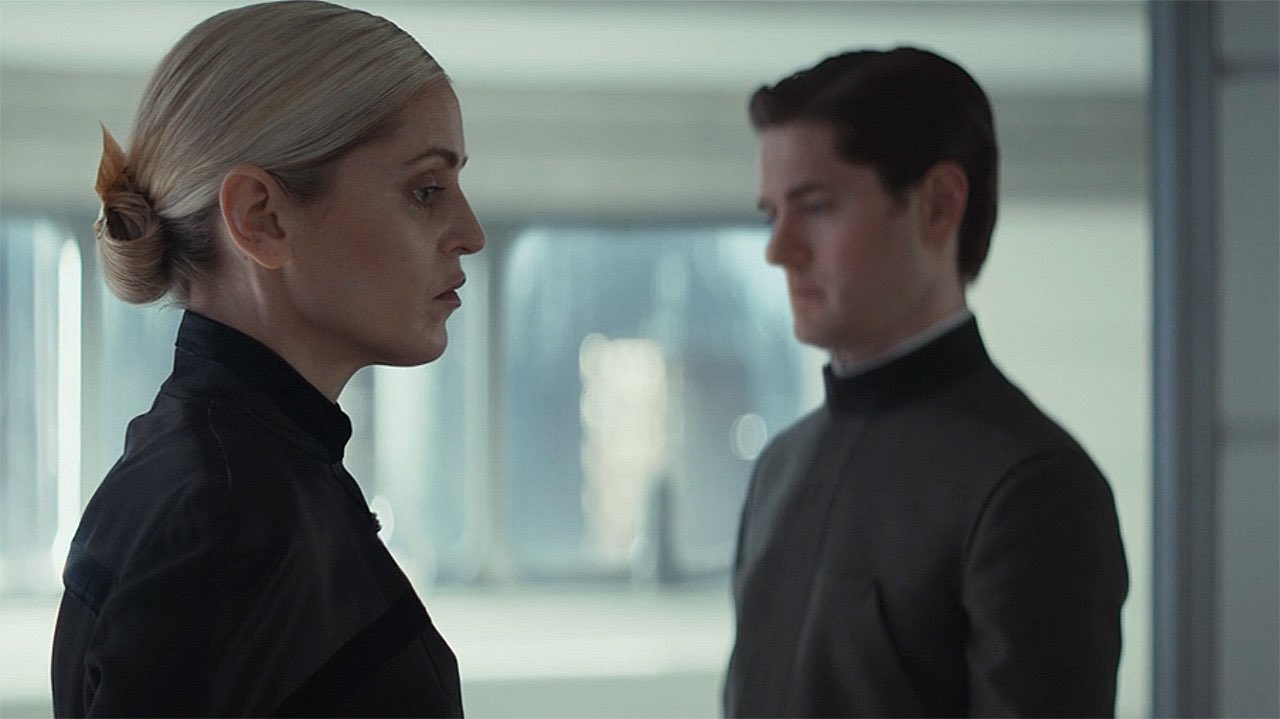
Meanwhile, we get a peek at the domestic life of Dedra and Syril Karn (Kyle Soller), the evil couple we almost root for. Their awkward intimacy sheds light on their humanity. The effort to show where these characters live, what they eat, what they choose to wear, and what they talk about outside their jobs illustrates that the Empire isn’t just a collection of cackling villains conquering the galaxy; they’re human, and their banality makes them even more terrifying.
The arc culminates with a plot point that made quite a stir among viewers. As the empire cracks down on undocumented settlers, Bix Caleen (Adria Arjona) survives a sexual assault by an imperial officer. Debates revolved around whether or not such a scene belongs in Star Wars. But Star Wars has featured slavery, child murder, ethnic cleansing, torture, and genocide across all its lore. The depiction of Bix’s trauma and her resilience is a brave narrative choice that shows how individuals with unaccountable power abuse their positions under a fascist regime, while never feeling outside the scope of the show’s tone. The moment never comes off as shock value, but rather as an honest portrayal of the show’s subject matter.
But despite each of these threads being purposeful and thematically potent, our review of Andor season 2 agrees that the first arc suffers from a structural perspective, making it the only weak one in the entire season. This weakness stems from these plot points feeling stretched across three episodes, with the buffoonery of the guerrilla rebels and the wedding of Mothma’s daughter occupying excessive screentime, leaving many characters seemingly in stasis. We keep cutting between scenes without much progression. But this shaky start is followed by a glorious return to form, where even the most minute drama unfolds in riveting fashion. The second half of the season is a streak of powerhouse episodes that takes Andor to unparalleled heights.
Credit: Lucasfilm
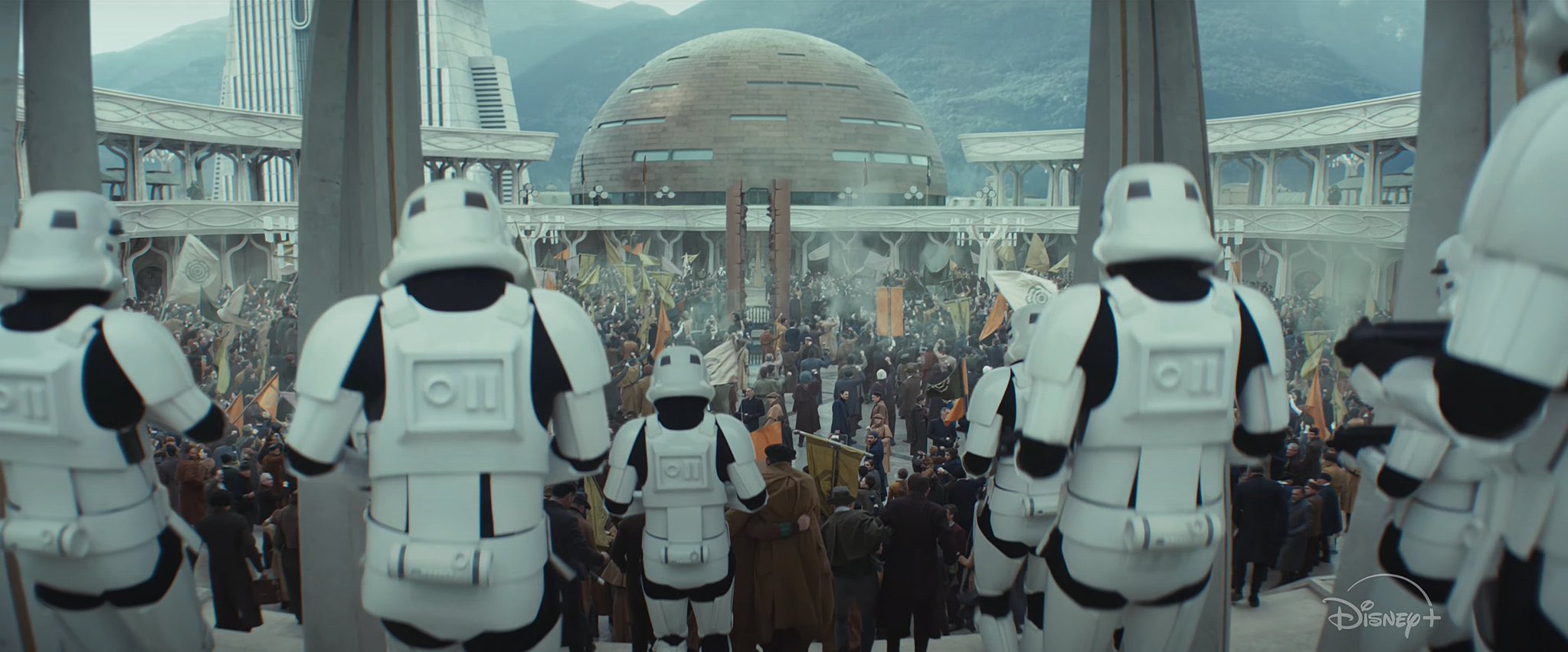
To pave the way for their resource extraction on Ghorman and suppress any potential resistance, the Empire launches a propaganda campaign to manipulate public opinion throughout the galaxy. This involves portraying the Ghorman people as arrogant and out of touch with “Imperial norms,” thus attempting to dehumanize them. The Ghormans, on the other hand, form a resistance against impossible odds. A move the Empire eagerly counts on to justify the violence to come. The culmination of this rising tension is episode 8, a devastating hour of television where Imperial forces, including heavily armed Stormtroopers and Droids, violently attack and kill peaceful protesters gathered in the plaza. The sheer brutality of the massacre echoes the Jallianwala Bagh massacre, serving as a stark illustration of the Empire’s tyranny. Stormtroopers had never been scarier. Star Wars had seldom felt this real.
A highlight of the episode is the death of Syril Karn. An insecure man in need of validation and a staunch believer in the Empire’s strict structure, Syril is convinced that order, maintained through unquestioning adherence to rules and authority, is paramount. However, unlike Dedra, Syril is not a zealot. When he witnesses firsthand the unprovoked violence the Empire unleashes on the Ghormans, his entire worldview is shattered.
But just when it seems redemption could be on the horizon for him, he notices Cassian amidst the crowd and attacks him, driven by primal impulse. The idea of going after his perceived arch-nemesis gives him a semblance of purpose and order for a moment, as opposed to confronting his identity crisis. Until a bewildered Cassian asks, “Who are you?” and Syril is shattered for the final time.
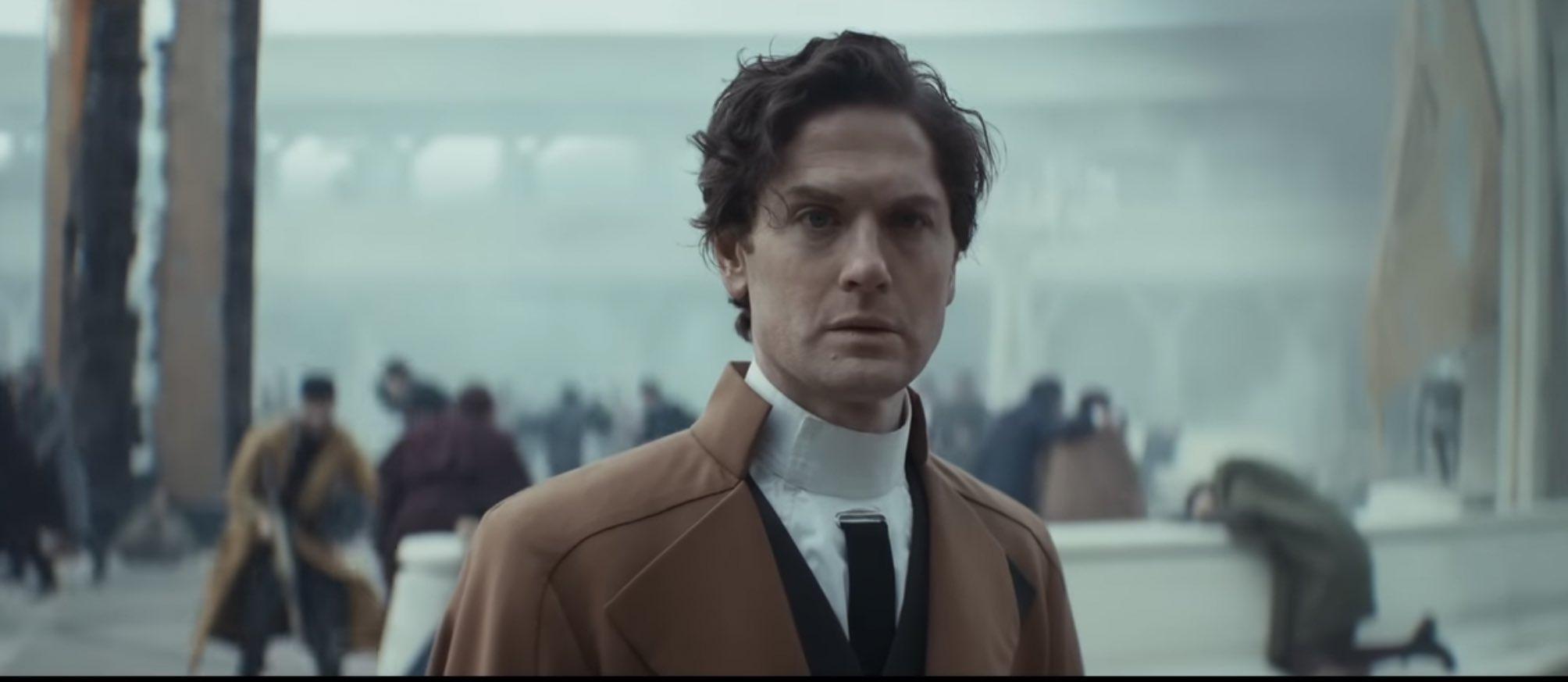
The man he’s hunted for years doesn’t even know him. His life’s purpose meant nothing. But this realisation is too little, too late. Just as he lowers his weapon, a Ghorman protester shoots Syril, cutting his life abruptly short.
Syril’s story portrays the kind of minds susceptible to fascism, and how this system swallows up and spits out the very individuals who dedicate their lives to it. This theme also echoes through the fates of the rest of the Imperial characters in distinct ways. No hero defeats them in a duel. It’s fascism that eats its own.
The shocking violence of the Ghorman Massacre pushes Mon Mothma to risk everything by openly and vehemently denouncing the Empire’s actions in the next episode. From the desperate attempt to get on the Senate floor just to use her voice against Emperor Palpatine, despite every effort to silence her, to the rousing speech that follows.
From the excitement of Cassian meeting her for the first time, to their heart-pounding yet hilarious escape that ensues, episode 9 is a triumphant aftermath that features some of the most timely political commentary. Despite drawing from history rather than the present, Andor ultimately reflects the current state of our world, highlighting the cyclical nature of human history and lending the show a timeless quality.
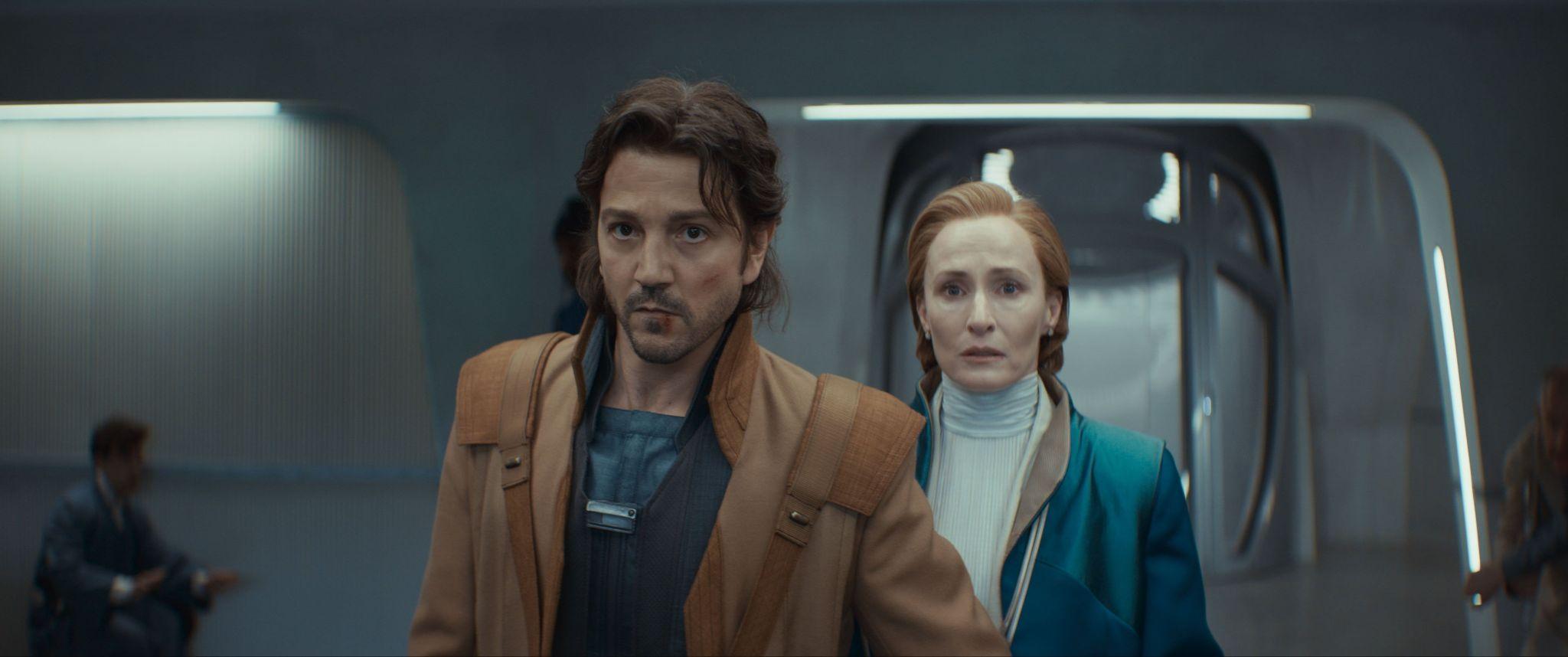
Fans know that both Cassian and Mothma make it out of this situation alive, thanks to the gift of prescience that any prequel allows their audience. But the fact that this foreknowledge not only never hampers the suspense but enhances it through dramatic irony is a testament to the show’s brilliant writing. An ethos that applies to the whole show.
The final arc includes a surprise “bottle episode”, Andor’s only hour without Cassian, centered solely on Luthen and Kleya. Dedra finally faces off against Luthen, the enemy she’s been obsessed with from the beginning, parallel to Syril’s obsession with Cassian. But unlike Syril, Dedra has no moment of awakening. The two engage in a verbal ideological battle as engrossingly written as you’d expect from this show by this point. But when the walls close in around Luthen and he’d be surely tortured for information, he plunges a knife in his heart, willing to die. What a fitting fate for a character who proclaimed to be sacrificing everything, to carve out his heart and bleed for the rebellion as his last act.
Luthen Rael brought a level of moral complexity to Star Wars that renders all previous attempts mere flirtations with the idea. He makes the despicable moral choices that our righteous heroes never would (he straight up murders the informant that tells him about the Empire’s superweapon in this episode), and yet, his willingness to bloody his hands is the only reason why the rebellion exists in the first place, and the final arc dramatises this point fervently.
Every word out of Stellan Skarsgård’s mouth, every stare that carries the burden of his sacrifice, strikes the flawless balance between gravitas and melancholy, imbuing the character with an aura of Shakespearean tragedy (His real name is revealed to be Lear, after all, an anagram of Rael). A character that belongs in the upper echelon of Star Wars.
Dedra does everything in her power to keep him alive, a desperate effort unknowingly thwarted by Kleya, who infiltrates the hospital with the grim mission to kill Luthen herself, ensuring his silence and the rebellion’s safety. An act of love that takes us beyond her hardened shell and presents her at her most vulnerable. We jump to flashbacks throughout the episode that shed light on their past, give context to their complicated father-daughter dynamic, and the origin of their lifelong hatred of the Empire.
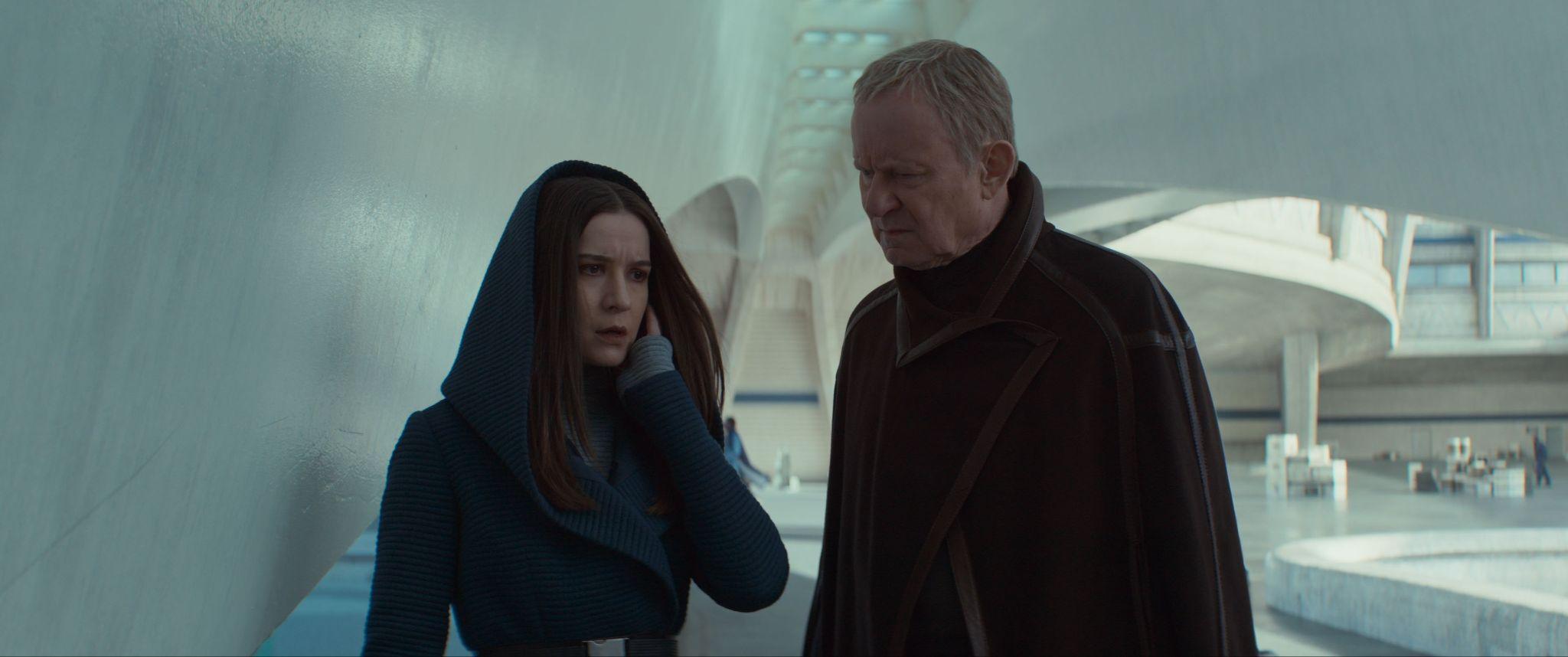
It’s hard to single out performances when everyone is firing on all cylinders (the fact that Disney submitted 12 actors from this show for Emmy consideration speaks for itself). But it’s Elizabeth Delau as Kleya who sneaks up on you when you’re least expecting. A big part of the final hours revolves around Cassian saving Kleya from the clutches of the Empire, and she becomes the heart of the last arc. Delau gets to truly shine in what is her career’s first major role.
The finale is a calm before the storm, as we see the Star Wars we know take shape in front of our eyes. Even the electronic music slowly transitions to familiar orchestral sounds, pulling on heart strings all the same. The events of the episode lead directly to Rogue One, and we know some of these characters are marching towards their deaths. Some of the table-setting detracts from the show’s autonomy as a self-contained story, but it is a prequel, after all. The weight of knowing what comes next imbues the episode with a tone of immense bittersweetness.
One of the most interesting narrative choices Andor makes is depicting Cassian’s commitment to the rebellion as a living, breathing thing that shakes and wavers despite his strong conviction. After witnessing the massacre, Cassian decides that he’s given the rebellion all he’s got and wants to settle down with Bix. But she believes that his role in all this is much bigger than he realises, and leaves him so that he keeps on fighting. She sacrifices her love and chooses the rebellion over him. This theme of sacrifice is an inseparable part of every character’s journey. Whether it’s their loved ones, their morality, or their future, everyone sacrifices one thing or another. War is an inherently dehumanising process that often forces one to plunge into the very darkness their enemy belongs to. Andor dares to confront this head-on. Never before has the weight of fighting evil felt as heavy in Star Wars as it does in Andor.
Credit: Lucasfilm
The characters in Andor are grounded, people with everyday lives and genuine relationships. Their very normalcy makes their acts of courage and defiance all the more remarkable. According to Gilroy, the show has 389 speaking characters across both seasons, which is more than any other Star Wars show. Among them, not only the stellar supporting cast, but even the tertiary characters make a strong impression in their limited screen time, emphasizing the no-name nobodies whose existence makes this world rich and alive, whose unrecognized actions push the resistance one step closer to victory. In the Original Trilogy, the Rebel Alliance comes across as a long-established, smoothly operating force that has always existed in defiance of the Empire. What Andor dares to ask is: Who are these people, really? What pain have they carried? Who have they left behind? What kind of life must someone live to reach the point where rebellion feels like the only choice left?
The show excels on the technical front as well. When many of the Star Wars shows are misusing the “Volume” technology and overly relying on green screens, with flat cinematography that turns scenes into grey sludge, Andor uses real locations and immaculate production design that gives the world texture and tactility.
From the elaborate sets fused with cultural influences that reflect the interiority of the characters, down to the knobs and switches of their analog devices—everything feels lived-in. Even shows with legacy characters like Obi-Wan and Ahsoka don’t come close to the production value on display here. You can see every penny on screen.
The greatest thing a prequel can achieve is to recontextualize the original story and elevate its emotional impact. Which is why Better Call Saul was such a worthy prequel to Breaking Bad, and it seemed like a lightning in a bottle. Andor is to Star Wars what Better Call Saul was to Breaking Bad. What set out to be a prequel to a prequel film ended up reverberating throughout the entire Star Wars canon. A prism that refracts the original story into something richer, deeper, and more devastating.
You’ll never see the ending of Rogue One without thinking of Bix, without thinking about everything Cassian went through. You’ll never see the Death Star the same way, knowing all the atrocities that went into building it. You’ll never see Luke Skywalker blowing it up in the same way, knowing all the sacrifices and miracles that made it possible. And when you see the First Order in the Sequel Trilogy, you will question how fascism can rise again so quickly after all the sweat, blood, and tears it took to defeat it, even though the films themselves weren’t interested in such questions.
Despite all the talk about how un-Star Wars-like Andor is, it is far closer to the original vision of creator George Lucas. Lucas was explicit about how the Original Trilogy took inspiration from the Vietnam War, and acknowledged the unintentional but strikingly eerie parallels between the Prequel Trilogy and the Bush administration. The point is, Star Wars has always been political, regardless of its tone or quality of execution. Andor took that aspect more rigorously than anyone ever has, and mined its true potential. The result is a sci-fi epic and a political thriller, a study of the complex humanity behind fascism and violent revolutions.
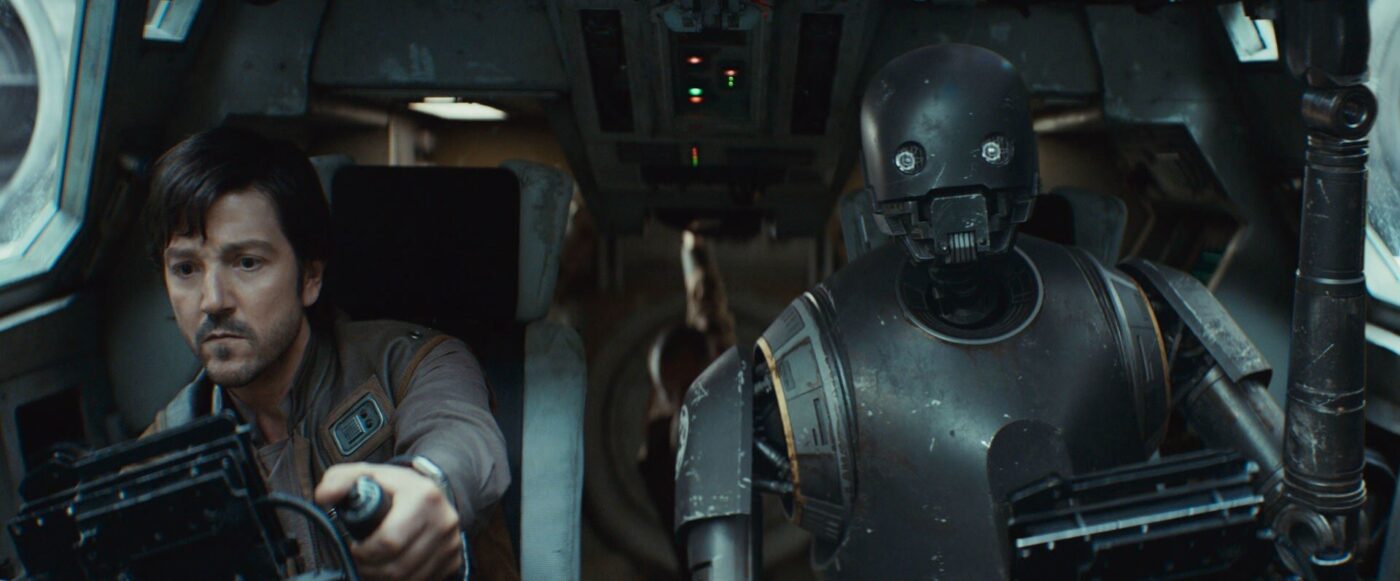
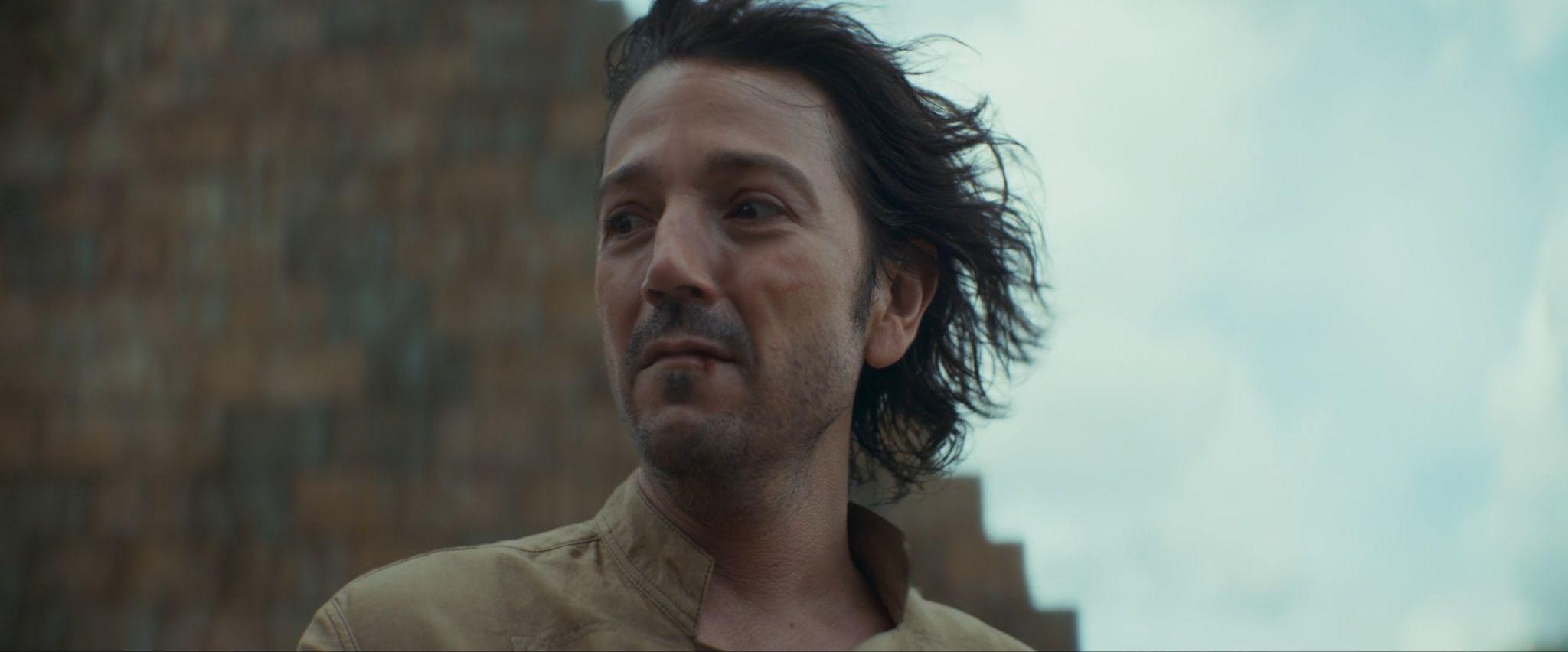
Star Wars had its share of reluctant heroes. But none so nuanced and human as Cassian Andor. Here we have a character whose childhood was etched by the claws of colonialism. Who never gets to find the sister he lost, say goodbye to his adoptive mother, and the love of his life. This constant lack of closure makes him a beautifully tragic character with a saviour complex, who, despite having a conflicted heart, ultimately dies to save everyone. He never gets to see the fruition of the cause for which he gives his life. The final image of the season, and this whole journey, is Bix holding her and Cassian’s child, signifying what the rebels sacrifice for a sunrise they’ll never see. Diego Luna embodied all the layers of this disillusioned smuggler turned Rebel spy, with charisma and pathos. Who would’ve thought that a mundane side character from Rogue One would go on to become one of, if not the finest, protagonists in Star Wars?
Credit: Lucasfilm
My journey with Star Wars has been a roller coaster, starting with initial excitement for The Force Awakens that slowly waned as the sequel trilogy devolved into uninspired self-references, abandoning narrative boldness for safe fan service. The Last Jedi attempted to breathe fresh air into the franchise, but the movie split the fanbase into ferocious halves, and Disney got cold feet. The result was The Rise of Skywalker, an unimaginative made-to-please-everyone product that pleased no one. This creative decline wasn’t confined to the main saga. While Rogue One offered a glimpse of something different, Solo failed. And even The Mandalorian eventually sacrificed its unique charm to indulge in overt lore and legacy worship.
The franchise churned out numerous projects, becoming overexposed and seemingly stuck in a cycle of nostalgia. Consequently, when Andor was announced as a prequel to a prequel focusing on a character few remembered, my expectations were at rock bottom, assuming it would merely perpetuate the same issues that had extinguished my love for Star Wars. Instead, the show reignited it. It added weight to all the stories that take place before and after.
Andor feels like its own kind of miracle, a rebellion in and of itself. A show that defied expectations, delivered by the right people at the right time, that set the bar for Star Wars media incredibly high. Whether or not that bar is ever surpassed again, or the stars align the same way, is yet to be seen. But if not, Andor has earned its place at the peak of what Star Wars has to offer, and that would suffice for now.