
Summary
Haq is a powerful, understated procedural that avoids the trap of cinematic melodrama to deliver a raw look at the systemic exhaustion of women in the legal system.
Overall
-
Acting
-
Plot
-
Visuals
Cinema has always been a dangerous space for women’s stories. When films claim to be women centric, they often confuse representation with liberation and empathy with politics. Stories of women’s suffering appear endlessly across screens, yet stories that interrogate the systems producing that suffering remain scarce. Haq (2025), directed by Suparn S. Varma, arrives precisely at this fault line. It positions itself as a film about justice, dignity, and a woman’s right to survive abandonment. Beneath its restraint and measured tone, however, lies a deeper feminist question. Is Haq merely narrating a woman’s struggle, or is it confronting the structures that make that struggle inevitable?
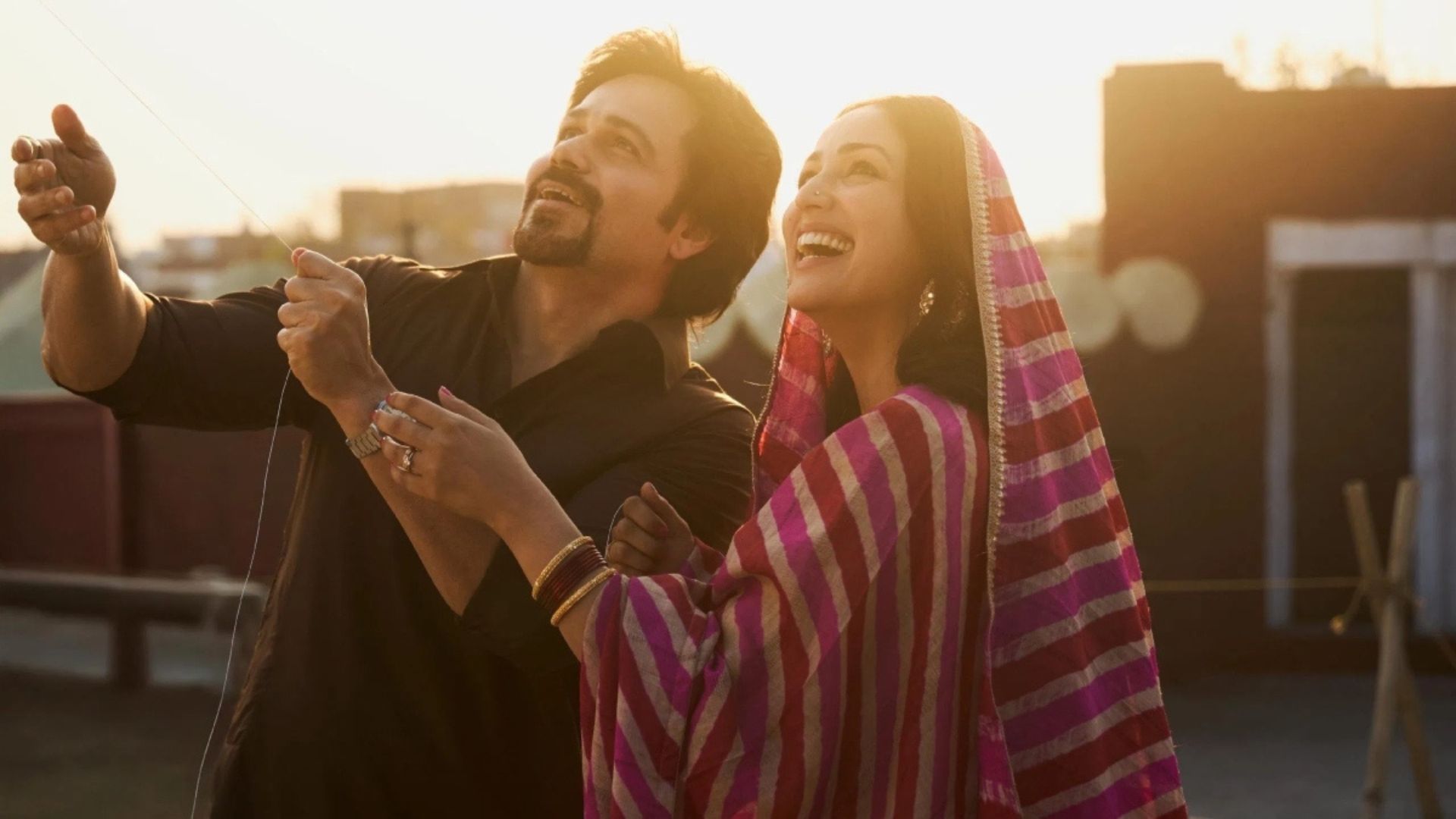
The film fictionalizes a landmark legal battle from the 1980s, centering on Shazia Bano, portrayed by Yami Gautam Dhar, a woman abandoned by her husband Abbas Khan, played by Emraan Hashmi, who later attempts to evade financial responsibility. While the premise remains familiar, Haq distinguishes itself through its refusal of melodrama. Instead of heightened emotional cues, the film opts for stillness, patience, and incremental escalation. Courtroom scenes unfold slowly. Domestic spaces remain tense and volatile instead of loud and hostile. Emotional peaks arrive through dialogue pauses, glances, and procedural delays rather than dramatic breakdowns. This restraint becomes both the film’s greatest strength and its central limitation. At its best, Haq exposes how women’s suffering unfolds through routine, paperwork, and legal language. At its weakest, the film stops short of fully politicizing that suffering, choosing moral resolution over systemic indictment.
From its opening moments, Haq establishes Shazia’s life through repetition rather than exposition. Early domestic scenes focus on her daily labor. Preparing meals, managing children, hosting guests, maintaining the household. The camera lingers on these acts without commentary, emphasizing how essential labor dissolves into invisibility once it carries no wage or public recognition. When Abbas appears, he occupies space differently. He speaks decisively, moves freely between rooms, and commands attention with ease. The imbalance within their marriage becomes visible long before it becomes verbal. This is a feminist strength of the film.
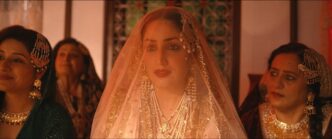
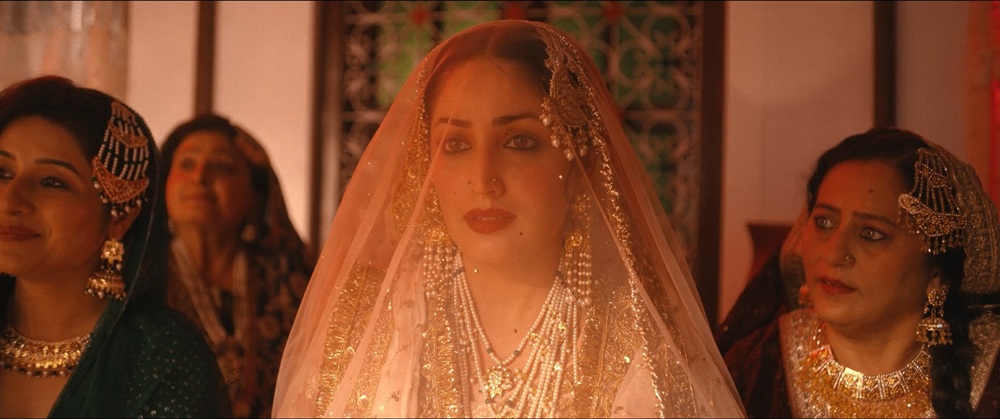
Patriarchy emerges through spatial control rather than explicit conflict. When Abbas returns with a second wife, the moment avoids spectacle. There is no dramatic confrontation staged for emotional payoff. Instead, the scene unfolds through silence. Shazia’s stillness, the weight of unspoken shock, the discomfort of family members occupying the same space. This choice reinforces the film’s core insight. Women often absorb upheaval quietly, expected to adapt rather than resist. The emotional violence here lies in expectation. Shazia receives assurances of dignity and adjustment, framed as generosity rather than obligation. The film allows this framing to play out without interruption, exposing how patriarchal bargains operate through language that sounds reasonable while erasing consent.
Patriarchy emerges through spatial control rather than explicit conflict. When Abbas returns with a second wife, the moment avoids spectacle.
One of Haq’s most effective feminist gestures lies in its depiction of abandonment as administrative rather than emotional. Abbas withdraws support through legal mechanisms, delays, and procedural justifications. His cruelty operates through fluency. Court filings, legal arguments, and calculated pauses replace overt aggression. Emraan Hashmi plays Abbas with unsettling composure. His calm voice, measured tone, and controlled expressions create a portrait of authority that thrives on plausibility. This performance matters.
Patriarchy rarely presents itself as villainy. It often presents itself as logic, as the default. By framing Abbas as articulate and socially respected, the film reveals how systems protect men who speak the language of power. In contrast, Shazia’s response remains carefully constructed, mentally calculating its weight on her children, aging parents, and social acceptability. She approaches the legal system cautiously, supported by her father and later by her lawyer Bela Jain, portrayed by Sheeba Chaddha. Her resistance unfolds step by step. Each court appearance, each consultation, each conversation reflects calculation rather than impulsiveness. This strategy mirrors real feminist survival tactics.
Women entering institutional spaces learn quickly that credibility depends on restraint.
Anger invites dismissal.
Emotion invites suspicion.
Haq captures this dynamic vividly, especially during early courtroom proceedings where Shazia remains largely silent while others debate her fate. Her presence becomes symbolic rather than participatory at first. She sits, listens, and waits. The camera frequently frames her from a distance, reinforcing how institutions speak about/for women without listening to them.

The courtroom scenes themselves deserve attention. Varma stages them as procedural theaters rather than dramatic battlegrounds. Judges speak in measured tones. Lawyers argue through precedent and interpretation rather than theatrics. This realism strengthens the film’s feminist argument. Justice arrives slowly, mediated by structures built for endurance rather than urgency. When Shazia eventually speaks, the moment lands with impact precisely because of its delay. Her words arrive after prolonged observation, positioning speech as earned rather than impulsive. Yet this framing raises a troubling implication. The system rewards women who master patience and composure. It celebrates survival as virtue. Feminist critique demands deeper questioning here. What space remains for women whose pain resists discipline? Haq gestures toward this question yet resolves its narrative before confronting it fully.
When Shazia eventually speaks, the moment lands with impact precisely because of its delay. Her words arrive after prolonged observation, positioning speech as earned rather than impulsive. Yet this framing raises a troubling implication. The system rewards women who master patience and composure.
The character of the second wife remains underdeveloped, functioning primarily as narrative catalyst. Her presence destabilizes Shazia’s life yet remains unexplored beyond surface gestures. This choice weakens the film’s feminist potential. Patriarchal systems thrive by isolating women from one another. By leaving the second woman without interiority, the film reinforces a hierarchy of suffering where empathy flows selectively. Feminist storytelling benefits from complexity here. Women entangled in the same system often share vulnerability rather than rivalry. Haq acknowledges this dynamic faintly through brief glances and silences but leaves the emotional terrain unexplored. Bela Jain’s role introduces another layer of feminist realism. She remains competent, pragmatic, and professionally restrained. Her advocacy avoids savior narratives. She operates within limits imposed by the legal system. Scenes between Bela and Shazia emphasize preparation rather than emotional reassurance. Strategy replaces consolation. This portrayal reflects the lived realities of women navigating institutional justice. Support exists, yet it remains bounded by rules, precedents, and constraints. However, Bela’s character receives limited narrative space beyond function. Her ideological stance remains implied rather than articulated. Feminist solidarity appears individualized rather than collective, reflecting a world where women rely on personal allies rather than systemic support.
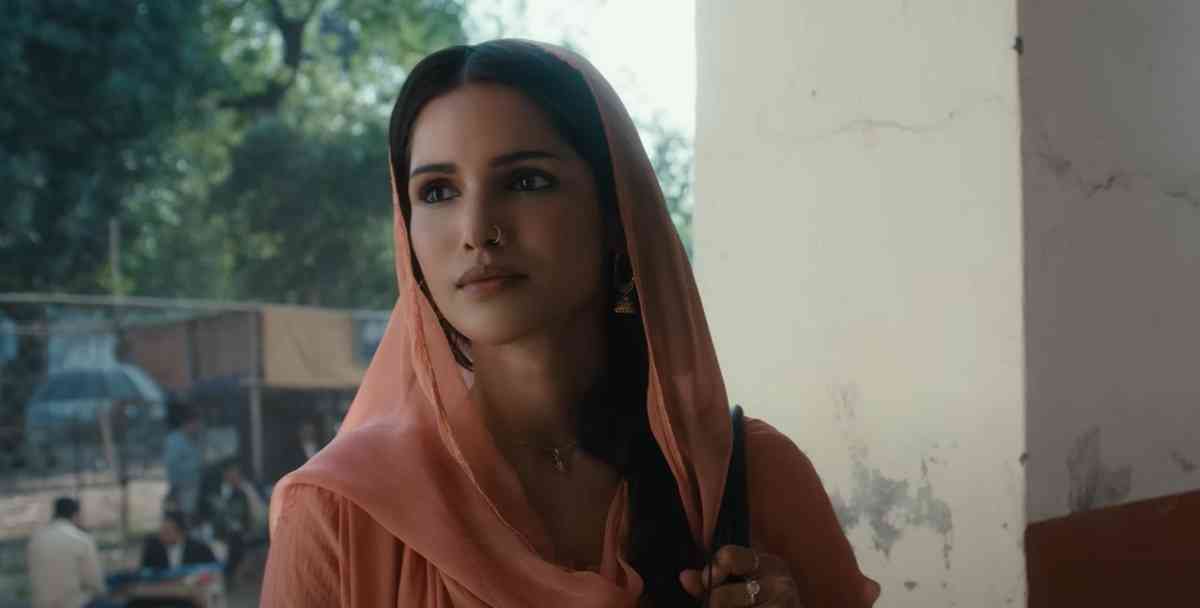
Visually, Haq employs restraint to mirror containment. Domestic interiors feel narrow and enclosed. Courtrooms feel expansive yet distant. Shazia often appears framed between doorways, windows, and corridors, emphasizing transition rather than arrival. Costume design reinforces this progression subtly. Early scenes feature muted colors and conservative silhouettes. As the legal battle progresses, Shazia’s clothing gains structure and clarity. These changes remain understated, signaling internal resolve rather than transformation spectacle. Yami Gautam Dhar’s performance anchors this visual language. Her control over expression, posture, and timing conveys growth through accumulation rather than rupture. The film’s climactic courtroom exchange between Shazia and Abbas represents its most explicit confrontation. Both characters articulate their positions with clarity. Abbas frames responsibility as technical obligation. Shazia frames dignity as survival. The power of this scene lies in parity. The film allows both voices to exist fully within the same space. This choice reinforces its commitment to restraint. Yet it also exposes the limits of moral symmetry. Patriarchy thrives when debates flatten lived vulnerability into abstract argument. Haq approaches this danger closely, resolving it through judicial recognition rather than systemic reckoning.
For me, the film’s most significant feminist limitation lies in its isolation of gender injustice from the broader political economy. The narrative closes upon legal victory, framing Shazia’s struggle as exceptional rather than endemic, and its resolution as completion. Feminist analysis asks for more. Justice for one woman does not dismantle conditions that place countless others at similar risk. Haq gestures toward this reality through brief moments of public attention and media presence, yet it returns quickly to individual triumph. Still, Haq remains a rare achievement within mainstream cinema. It resists sensationalism. It treats its protagonist with dignity. It portrays women’s resistance as deliberate, strategic, and exhausting rather than heroic fantasy. Its feminism operates through patience rather than spectacle. This approach carries power. It invites viewers to recognize how systems exhaust women into compliance and how survival itself becomes political labor.
For me, the film’s most significant feminist limitation lies in its isolation of gender injustice from the broader political economy.
Haq ends where most courtroom dramas like to stop, at recognition, at relief, at the quiet dignity of a woman finally being seen. Yet the feeling it leaves behind is not triumph so much as exhaustion. Watching Shazia win does not feel like witnessing justice arrive; it feels like watching a woman survive a system that demands her composure at every step. Her restraint becomes her currency. Her silence becomes evidence. And her ability to endure without breaking is treated as proof of her worth. There is something unsettling about how familiar this feels. The film never asks its women to dream of freedom, only to argue for survival. It teaches them how to speak carefully, to wait patiently, to remain legible within institutions that measure credibility through calmness and suffering. Shazia’s victory matters, but it arrives burdened with the knowledge of how much had to be given up to earn it. The relief is real, but it is narrow. It belongs to her alone. What lingers after Haq is not the verdict, but the quiet recognition that dignity, for women, still arrives conditionally. That it must be petitioned for, documented, defended, and proven. The film does not rupture the system that makes such petitions necessary, but it holds a mirror close enough for us to feel the weight of that truth. And in that reflection lies the film’s most honest gesture. Not celebration, not closure, but a reminder of how survival is so often mistaken for justice, and how many women are still standing outside the frame, waiting to be believed.