
Summary
Guillermo del Toro’s Frankenstein is a haunting, empathetic reimagining of Mary Shelley’s classic, trading traditional gothic horror for emotional depth and psychological nuance. Del Toro centers the story on inherited trauma, fractured families, and the blurred lines between creator and creation.
Overall
-
Cinematography
-
Acting
-
Plot
Guillermo del Toro’s Frankenstein (2025) slips quietly into the world of film adaptations with something rare: a sense of empathy that lingers long after the last frame. As months of anticipation gave way to the film’s theatrical arrival and later Netflix streaming, audiences came to realize this was not just another gothic retread. Del Toro builds his vision with a patient hand. Instead of relying on constant shocks or grand spectacle, his approach is gentle, careful- bringing breath to the quiet pains passed down through generations.
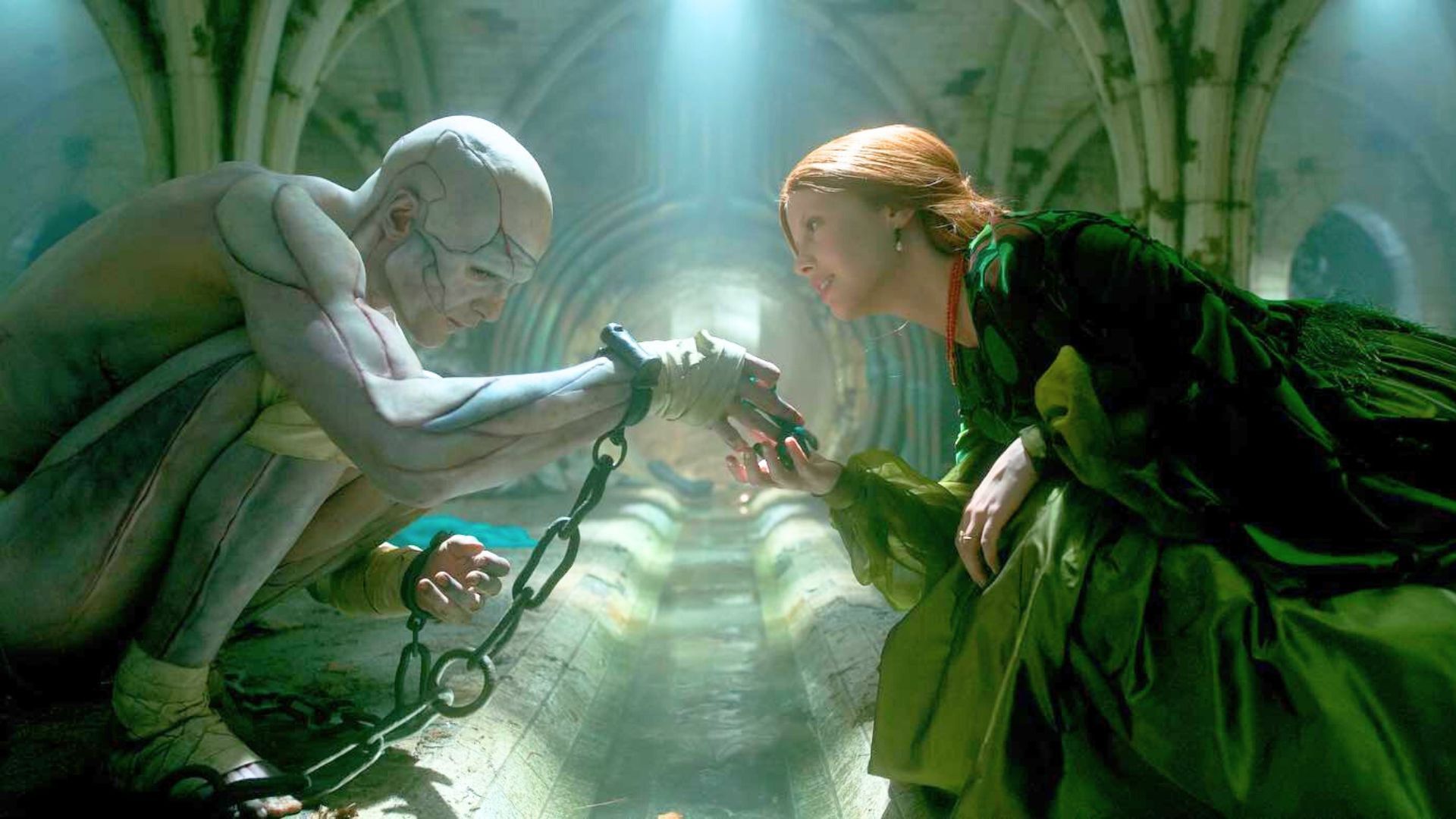
This version of Frankenstein chooses to focus on people more than monsters, trauma more than terror, and fragile understanding over showy mayhem. When spending time in del Toro’s fractured Victorian world, the question of who the real “monster” is feels less like a twist than a challenge. The lines drawn between victim and villain are blurry, and that uncertainty fills every frame of this adaptation. Del Toro’s lens isn’t just focused on the storms outside Frankenstein’s window but on the slow, persistent storms inside each character. The Creature, played by Jacob Elordi, emerges as the film’s unlikely emotional center. Towering and uneven, unmistakably unsettling at first, he slowly becomes something else: a mirror for loneliness, longing, and grief. Del Toro and Elordi both refuse to let the Creature become a simple vessel for audience fears. His humanity—awkward, wounded, yearning—feels closer to the surface with each scene. The familiar beats remain: the slow learning to speak, the confused bursts of anger, the aching desire to belong. But here, the mood is quieter and the pace more considered.
Watching the Creature’s story unfold is like listening to a language you recognize but spoken with a new accent—every syllable reshaped by compassion. He stumbles through a world that continually rejects him, yet every gesture hints at vulnerability. This reframing pulls viewers in, asking for a kind of empathy that lasts past the closing credits.
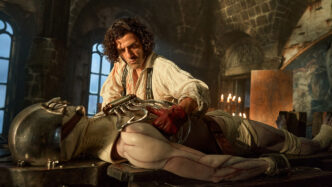
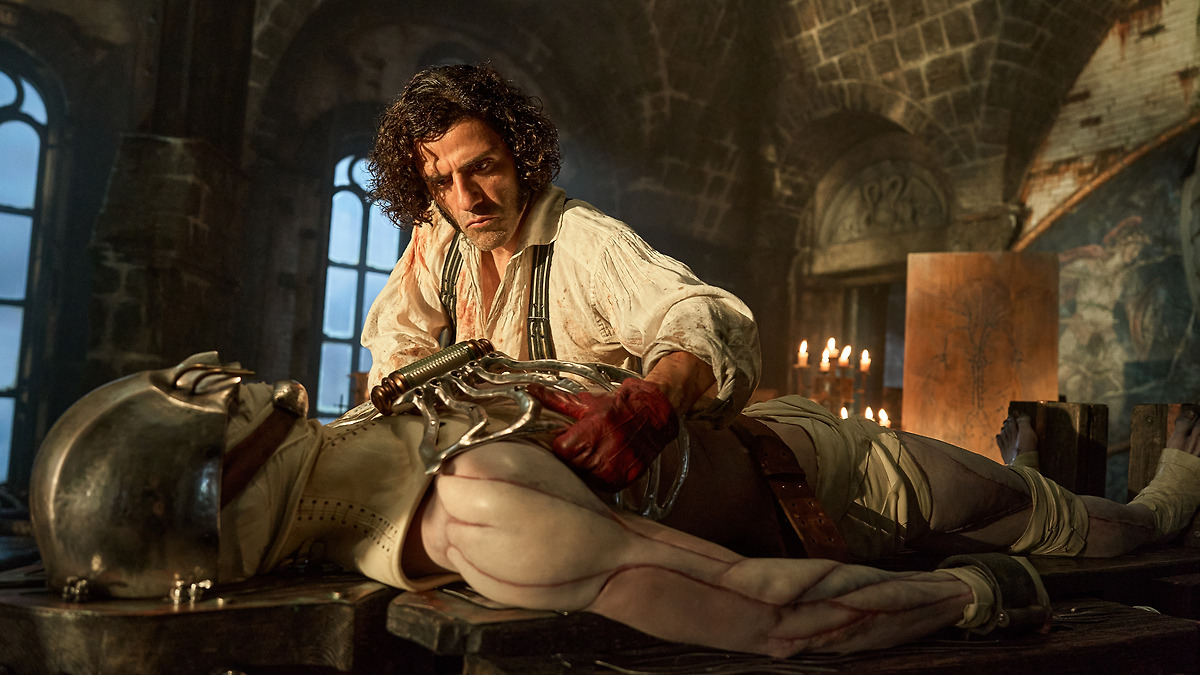
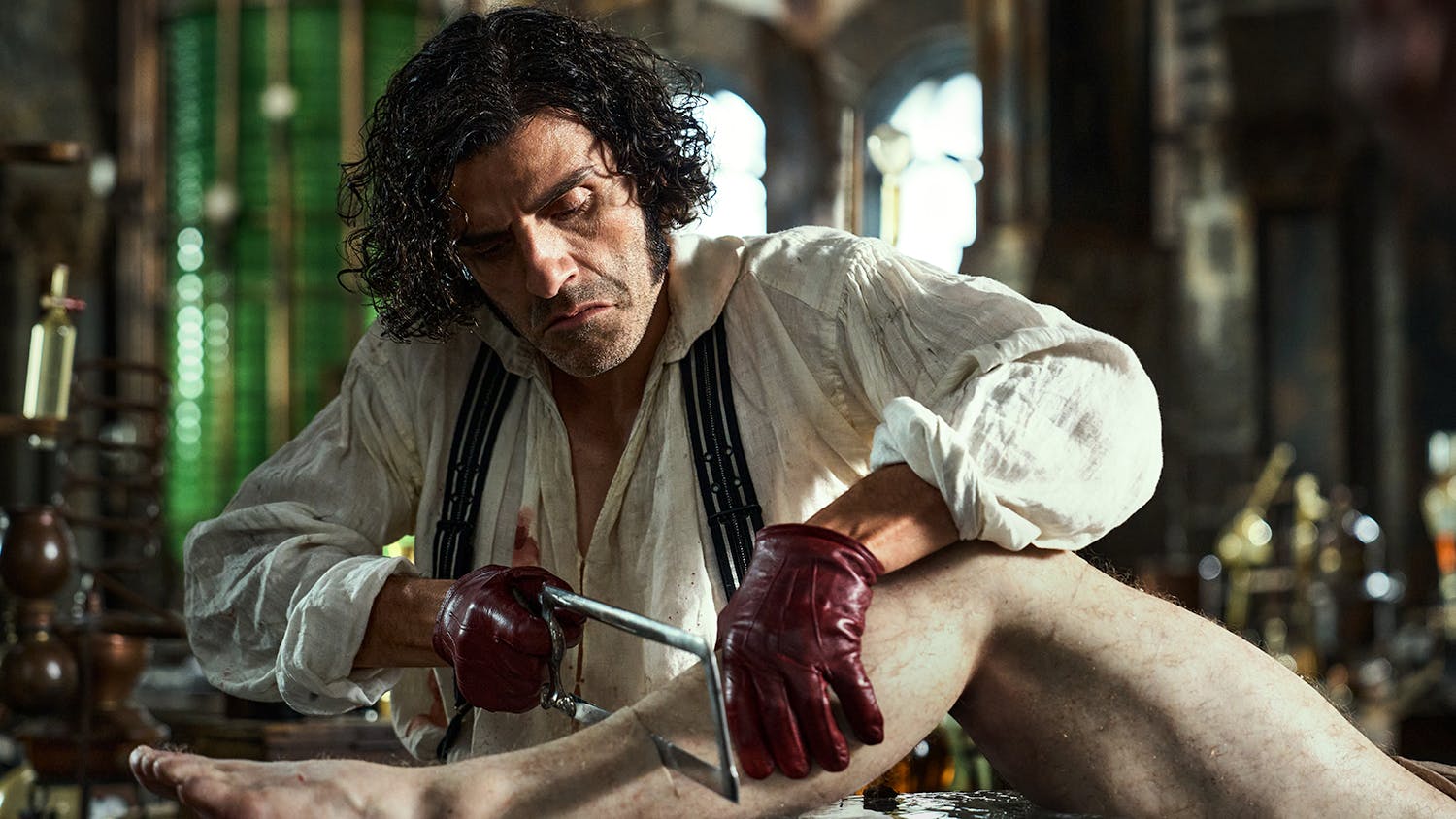
Victor Frankenstein himself is hardly the Byronic hero or raving madman audiences have met before. Oscar Isaac’s Victor shifts between charm and cold calculation, always teetering on the edge of self-destruction. Del Toro tethers Victor’s cruelty and ambition to the legacy of his father, played with icy resolve by Charles Dance. Instead of fate or science gone awry, it’s emotional neglect and wounds inherited across generations that drive Victor into darkness. He alternates between moments of warmth and moments of chilling detachment, sometimes blind to the suffering he causes. This version of Victor does not ask for easy pity. Instead, he becomes the lens through which del Toro questions the roots of monstrosity: are monsters born, or made by the cruelties of those meant to care for them? The film’s most biting reversal lands in a single, loaded accusation: “You are the monster.” With that, del Toro shifts the entire center of gravity for this story. The viewer is left to wrestle with what it means to create devastation, knowingly or not, and what it means to inherit it.
Del Toro questions the roots of monstrosity: Are monsters born, or made by the cruelties of those meant to care for them?
Setting matters in Frankenstein, and del Toro’s move from Shelley’s original early-19th-century backdrop to a richer, denser 1857 adds layers. Here, the tightening grip of the later Victorian era means new technology on every corner, hope and dread wound together. Electric sparks jump through Victor’s machines, symbols of both progress and peril. These details do more than decorate the story, they root every gothic flourish in a fabric of real, historical change. Scientific optimism and moral anxiety go hand in hand. The music of period technology: the crackle of electricity, the precise click of gears- reinforces a world trying to outpace its ghosts.
Cinematography by Dan Laustsen and production design by Tamara Deverell fill the frame with color and shadow: deep reds and sharp golds, costumes heavy with history and meaning. Every set feels lived in, every corridor echoing with secrets. The Creature’s makeup and prosthetics draw on the art of Bernie Wrightson, granting him a strange, bruised beauty. It’s a look rooted in decades of horror yet feels personal, almost tender, refusing to flatten the Creature into caricature.
Those intimate touches extend to the film’s supporting cast. Mia Goth reinvents Elizabeth, not content to play the passive victim. Here, she is a woman aware- visibly haunted by the violence orbiting the Frankenstein name and determined to find some agency within it. Her jewel-colored gowns, designed by Kate Hawley, seem to pulse with life and pain, making her stand out both visually and emotionally. Christoph Waltz introduces Heinrich Harlander, a patron whose support for Victor comes wrapped in veiled threats and ambiguous morals. He’s less a mentor than a dark mirror, showing what becomes of ambition unchecked by empathy.
Violence, often a temptation in tales like this, is handled with sobering discipline. When the film erupts into moments of horror—flashes of blood, bone-crushing fights—they arrive not to titillate but to underline the invisible wounds that linger between creator and creation. Dismemberment and brutal confrontations work as symbols, mapping outward scars to inner trauma. Rather than a prosthetic spectacle for its own sake, each sequence of violence is a chapter in a larger story about the costs of neglect and the challenge of forgiveness. The physical toll becomes a visual language, the body as a register for suffering passed down and handed off.

The relationship between Victor and the Creature, as it develops, carries the film’s true emotional weight. Theirs is not a simple dynamic; there are no neat resolutions, no easy lines between right and wrong. They tumble between empathy and resentment, pushed together by fate, torn apart by pride. Isaac and Elordi each wear their anguish in quiet moments—an averted gaze, a trembling hand, a sudden flash of rage. The audience is invited into their pain, not to judge, but to witness how deep wounds can spiral into cruelty and desperation. Del Toro draws direct lines from Shelley’s own narrative, but filters them through a new lens—one fixed on the ways people inherit damage, replaying battles they never chose. The Creature’s journey from outcast to someone briefly able to offer profound sacrifice is less about redemption in a classical sense, more about the possibility of breaking a cycle, even if only for a moment.
Alexandre Desplat’s musical score weaves through the film with both restraint and passion. The music walks a perfect line: sometimes tense, sometimes quietly mournful, it works in tandem with the cinematography to draw viewers into each character’s fragile world. As the narrative builds toward its conclusion, Desplat’s strings often seem to echo the characters’ own longing for clarity and peace. The score never overshadows; like a subtle partner, it holds the narrative together, letting moments of violence and grace resonate even after silence returns.
Yet for all its strengths, the film is not without flaws. A handful of secondary characters, rich in potential, sometimes fade into the shadows, leaving their backstories and motivations less explored than they deserve. Some subplots unfurl with a patience that edges toward indulgence, diluting the focus during quieter stretches. These missteps, though noticeable, never truly diminish the film’s overall effect. By the finale, what remains is less a triumphant ending than an uneasy resolution, one colored by the uncertainty of what forgiveness and change really require. Hope is presented as something fragile, flickering: an open door, not a promise.
By the finale, what remains is less a triumphant ending than an uneasy resolution, one colored by the uncertainty of what forgiveness and change really require.
Del Toro’s script is littered with references to the broader history of Frankenstein on screen. The film quietly nods toward James Whale’s 1930s classic, the starkness and sorrow of Boris Karloff’s performance, and the lurid beauty of Hammer Films’ legendary run. But this never tips into parody or nostalgia. Instead, the film seems to ask where these stories come from, and what they mean to carry forward. Del Toro does not borrow for easy recognition but for conversation—for the sense that every generation must find its own answer to the riddle of creator and creation, pain and empathy.
By making Victor the true source of monstrosity and depicting violence as a legacy so easily inherited, del Toro places his adaptation at the center of contemporary questions about responsibility, family, and repair. What stays with the viewer, after the lights come up, is the film’s refusal to settle for easy horror or comfort. This Frankenstein is not about morals delivered from on high; it is about the mess left behind by those who thought themselves above consequences. What does it mean to forgive someone who has devastated you? What happens when history repeats itself, not out of malice but out of blindness and fear? These questions echo in the story’s quietest moments, the silent exchanges between Creature and creator, the haunted eyes of family members caught in the crossfire.
Del Toro’s success is in asking his audience to care about the nuances and fractures beneath the surface. Even when the story spirals into chaos, there is a steadiness tothe filmmaking, a sense that at the heart of every monstrous act lies a history, a reason, however flawed, that must be understood. Where earlier films in the genre mined Frankenstein for fear, del Toro mines it for empathy, even in scenes flecked with horror. In the world of del Toro’s Frankenstein, forgiveness is possible but never complete—and that, perhaps, makes it all the more honest. In Guillermo del Toro’s hands, Frankenstein is not just revived, but reimagined—its wounds still open, but its heart beating strong. It is a film that asks not what monsters do, but what makes us monstrous, and how we might begin to do better.