

Summary
Offering a pointed, subtly ironic take on the complications of romance, Sabrina Carpenter delivers a memorable seventh album that is proof of her growth as a singer. Man’s Best Friend is catchy and knows how to capture the attention of listeners through its wit and authenticity, despite some tracks that underperform.
Sabrina Carpenter’s Man’s Best Friend offers something rare in the current world of mainstream pop: a direct, witty take on the chaos of contemporary romance. From its first notes, this album cuts a path through the often predictable territory of pop music. Carpenter skips the polished, emotionless surfaces that dominate radio hits and instead leans into music that feels honest and alive. Her seventh album carries not only the weight of her experience but also a willingness to poke fun at herself, and the complex dramas of dating and heartbreak.
Listeners entering the album find themselves met with “Manchild,” a song that quickly draws out the record’s central theme: the maddening reality of trying to connect with immature partners. Rather than disguise her feelings beneath vague metaphors, Carpenter embraces clear storytelling. She uses a sound palette built on 1980s-inspired synth-pop, marrying nostalgia with sharp, modern lyricism. The production is almost overwhelming at times, and some critics argue that it dulls her charm. But the track’s emotional punch and sly humor stand out. The message is never lost: relationships can be both deeply frustrating and oddly funny.
Throughout the album, Carpenter confidently explores the many shades of love and attraction. One such playful track is “Tears,” a disco-infused anthem that portrays responsibility and honesty as unexpected sources of charisma. The rhythm is undeniable, and the lyrics walk the line between risqué and wise, encouraging listeners not only to dance but also to laugh. “Tears” may have been released later as a single, which some believe prevented it from fully taking off on the charts. However, the song clearly showcases Carpenter’s gift for writing hooks that entertain both the body and the mind.
One such playful track is “Tears,” a disco-infused anthem that portrays responsibility and honesty as unexpected sources of charisma.
On a different note, “My Man on Willpower” takes on romantic neglect with an equal blend of pathos and comedy. Here, the persona Carpenter adopts is reminiscent of the sharp-tongued heroines of classic screwball comedies. She pokes at the familiar story of a partner too absorbed in self-improvement to notice their loved one’s needs and frustrations. Lines about untempting pajamas or a boyfriend glued to work reveal a sense of humor that softens the hurt. This blend of wit and truth forms the foundation of Man’s Best Friend, lifting its songwriting above that of many peers.
As the album continues, Carpenter explores how people communicate—or fail to—in the digital age. “Sugar Talking” offers a critique of text-message romance and the shallow satisfaction of online connection. Behind the flawed, filtered conversations are real feelings, often pushed aside by the need to perform or appear untouched by vulnerability. With humor as her shield, Carpenter invites the listener to sit with the uncomfortable moments of confusion and missed signals that define new love in the era of social media. Similarly, “Nobody’s Son” illustrates the painful experience of dating emotionally distant people and the negative impact it leaves. Wittily touching on heartbreak, the song acts as an act of final goodbye, where she has given up hope of finding love.
However, not all of the album centers on disappointment or confusion. Carpenter gradually pivots toward self-empowerment – “House Tour” and “Go-Go Juice” are prime examples. Both tracks celebrate liberation: nights out that erase the sting of heartbreak, moments when self-worth comes first. The clever lyrics, paired with pulsing beats, create spaces for listeners to imagine a world where independence and self-acceptance are as important as romance. In tone, these songs mirror the confidence and unfiltered joy of artists like Kesha, suggesting that heartbreak may hurt but it will not define the narrative. Carpenter proves she can hold both sorrow and celebration in the same hand, preventing the album from sliding into bitterness or naïve optimism.
In tone, these songs mirror the confidence and unfiltered joy of artists like Kesha, suggesting that heartbreak may hurt but it will not define the narrative.
The album’s musical landscape walks a line between honoring the past and pushing toward the new. On “Don’t Worry I’ll Make You Worry,” there’s a similarity toTaylor Swift’s Folklore with its subtle beats and introspective lyrics. But where Swift might land in heavy-hearted notes, Carpenter flips the switch, letting the song simmer with a lighter, almost mischievous energy. It’s an example of how she borrows from pop legends while never losing her own distinct voice. Similarly, “We Almost Broke Up Again Last Night” uses orchestral pop but updates it with sharp feminist commentary and humorous, pointed lyricism. The result feels familiar yet completely new, reflecting Carpenter’s confidence in blending her influences into something unique.
No record is free from criticism, and Man’s Best Friend is no exception. Some reviewers argue that not every track manages to capture the punchy, sex-positive spark that made Carpenter’s previous works so memorable. Moreover, production choices on songs like “Manchild” have been called out as hurdles to wider commercial success. Certain tracks, like “Goodbye”, have potential but ultimately fall short of their ambitions. Still, these moments are exceptions rather than the rule.
Some reviewers argue that not every track manages to capture the punchy, sex-positive spark that made Carpenter’s previous works so memorable.
The story behind the album’s polished, tightly wound sound owes much to its group of collaborators. With notable producers like Jack Antonoff, Amy Allen, and John Ryan lending their expertise, each track becomes a study in restraint and focus. The songs move quickly, landing their jokes and emotional beats with precision. The instrumental arrangements often slip in subtle melodic turns or rhythmic surprises, rewarding careful listening. The result is an album that stays lean, letting every punchline and confession land with maximum effect.
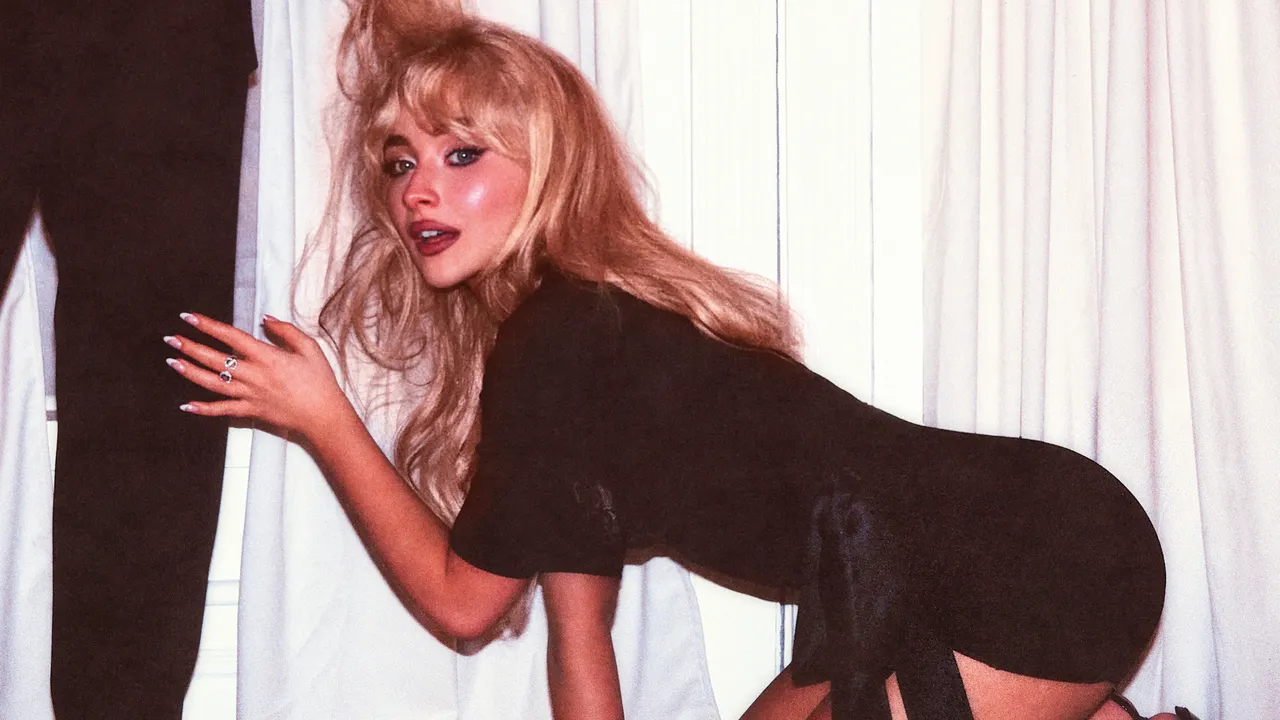
Beyond the music itself, Man’s Best Friend makes a strong statement with its visual presentation. The cover art, showing Carpenter posed on the floor with her hair pulled by an invisible hand—sparked debate as soon as it was released. Some interpreted it as a reinforcement of troubling stereotypes. For others, it’s meant as a bold challenge to societal norms. Rather than simply inviting shock, the image ties back to themes in the music, especially the ways power and affection meet, clash, and occasionally blend. When one acknowledges the cover in cognisance of the record’s lyrics, it becomes a clever visual companion.
As the album closes, it feels as if Carpenter has invited the listener on a winding tour of the ways people joke, stumble, recover, and try again. The tangled alliances of everyday relationships are depicted with care and honesty, reminding us that the search for connection is permanent. Carpenter’s take is not to drown in seriousness, but to use comedy and self-awareness as tools of survival when the water gets rough. The final tracks offer no easy conclusions, but they do grant the listener something rare: admitting that uncertainty is not a sign of weakness, but that of maturity.