
One of the Most Entertaining Blockbusters of the Year
Summary
F1: The Movie dazzles with technical brilliance and immersive racing spectacle, but its familiar story arcs and underdeveloped characters hold it back from greatness, offering thrills without fully exploring its emotional and thematic potential.
Overall
-
Plot
-
Narrative
-
Acting
-
Characterization
-
Direction
-
Pacing
From the first moment F1: The Movie races onto the screen, the ambition behind the project is clear. The film wants to be more than a sports drama; it aims to immerse viewers in the noise and speed of Formula 1 while asking what it means to chase relevance in a world that refuses to wait for anyone. Blending star power with technical spectacle, director Joseph Kosinski crafts a movie that looks and sounds as big as the sport it depicts—a story that hums with adrenaline but, as the engines cool, reveals the complexities and limitations of both the genre and the legend it hopes to create.
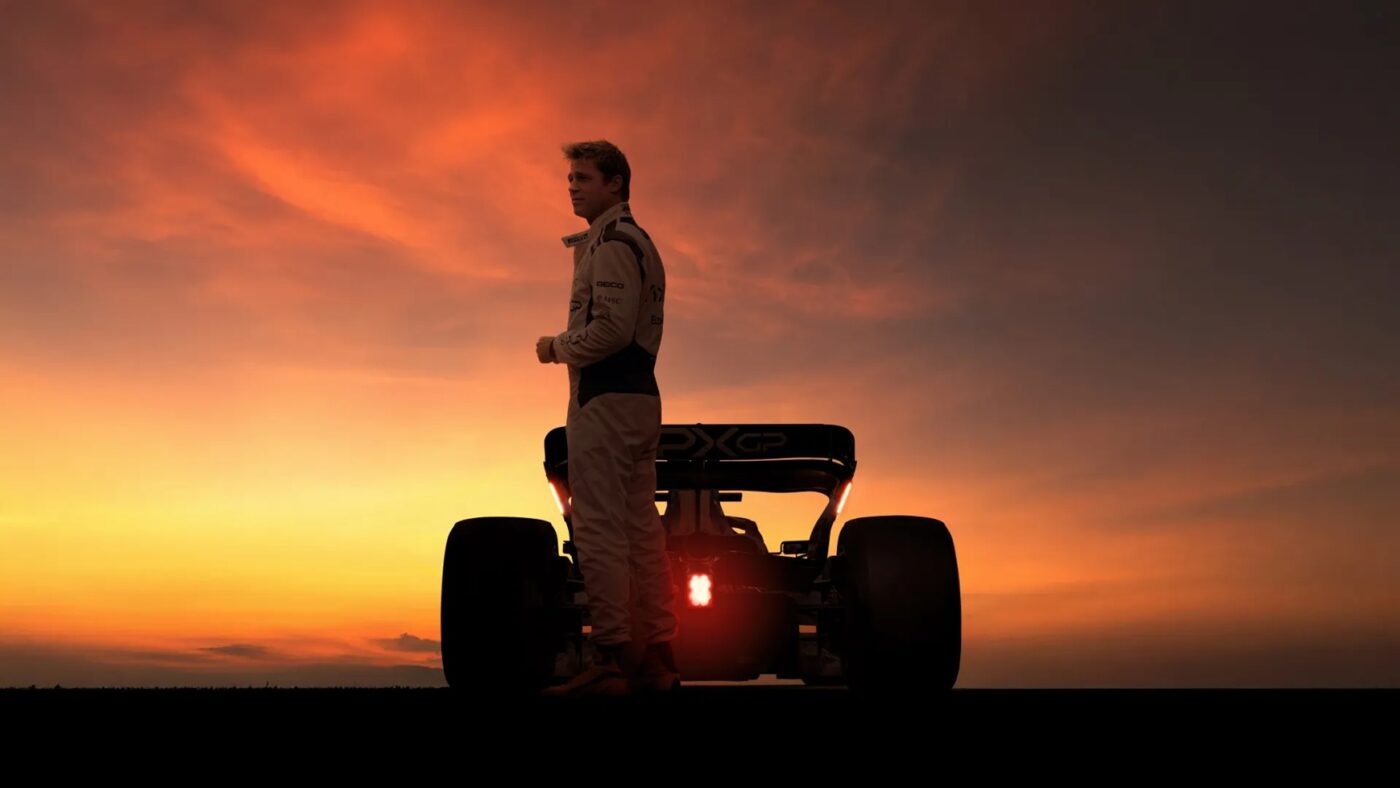
At the heart of the film is Sonny Hayes. Brad Pitt gives Sonny a distinct world-weariness, the kind that settles in behind the eyes after years of near-misses and lost chances. Once hailed as a rising star in racing, Sonny’s life has become defined by what could have been. A terrifying crash derailed his early career, leaving him drifting through back roads of the sport—stock cars, odd jobs, even stints driving taxis—until a last glimmer of hope draws him back into Formula 1. This is not the glitzy return of a hero but the reckoning of a man who has seen dreams dissolve and is not sure he deserves another shot. There’s a quiet, almost sorrowful energy to Sonny’s story. Instead of exposing the depths of Sonny’s psyche, the narrative sketches him as a figure just a step removed from myth—a ghost haunting the track, searching for something lost. Brad Pitt uses subtle gestures to show the cracks beneath the surface. He’s less a typical sports movie lead than a man defined by absence and regret. But with little time given for deeper reflection, Sonny remains a symbol—of resilience and of the cost of chasing after relevance as the world moves on.
Into Sonny’s world enters Ruben Cervantes, the desperate principal of APXGP, a team on the verge of collapse. Ruben is more than just a boss looking to save his team; he represents the mounting pressures and business interests that now shadow Formula 1. Played by Javier Bardem, Ruben flits between vision and crisis, trying to hold his fragmented team together with whatever deals and gambles he can manage before time runs out. Sonny’s return is as precarious for Ruben as it is for Sonny—a risk that could either spark redemption or seal their mutual downfall. There’s tension here between chance and calculation, between the romance of the sport and the reality of money and results.
But no story about Formula 1 today could ignore the sport’s seismic generational change. Opposite Sonny is Joshua Pearce, played by Damson Idris—a rookie whose confidence is powered as much by social media clout as by genuine driving talent. Joshua is the face of a new era, where image-making and brand partnerships often matter as much as split-second reactions on the track. His journey in the film is designed as a foil to Sonny’s; where Sonny is haunted by what’s lost, Joshua serves as proof of how quickly things can be gained—or lost—in the always-on digital world. Joshua’s arc, though, never fully breaks free from the chains of sports movie tropes.
Clever and charismatic, he still feels mostly drawn from the headlines—the cocky prodigy whose self-assurance must be tamed by the lessons of humility and teamwork. His transition from a social media star into a more seasoned competitor is only lightly traced, often overshadowed by Sonny’s shadow. The movie hints at richer questions—how fame and exposure change the nature of racing, how the relentless need for audience engagement shapes who gets to be a hero—but chooses to stay on the surface.
Early in the film, the audience is dropped into the energy of the 24 Hours of Daytona. Kosinski’s direction, paired with Claudio Miranda’s sharp cinematography, lets viewers feel every jolt—close shots of shifting gears and flying rubber, the muffled rhythms of high-G turns. Hans Zimmer’s score pulses underneath, a near-constant heartbeat, magnifying the tension as night gives way to morning on the track. The technical craftsmanship here—especially the extensive use of Dolby Atmos and practical racing footage—translates the chaos and beauty of the sport into something almost touchable. This sequence sets a hopeful tone for the entire film: a celebration of what makes motorsport captivating, rendered in sights and sounds that feel both intimate and vast.
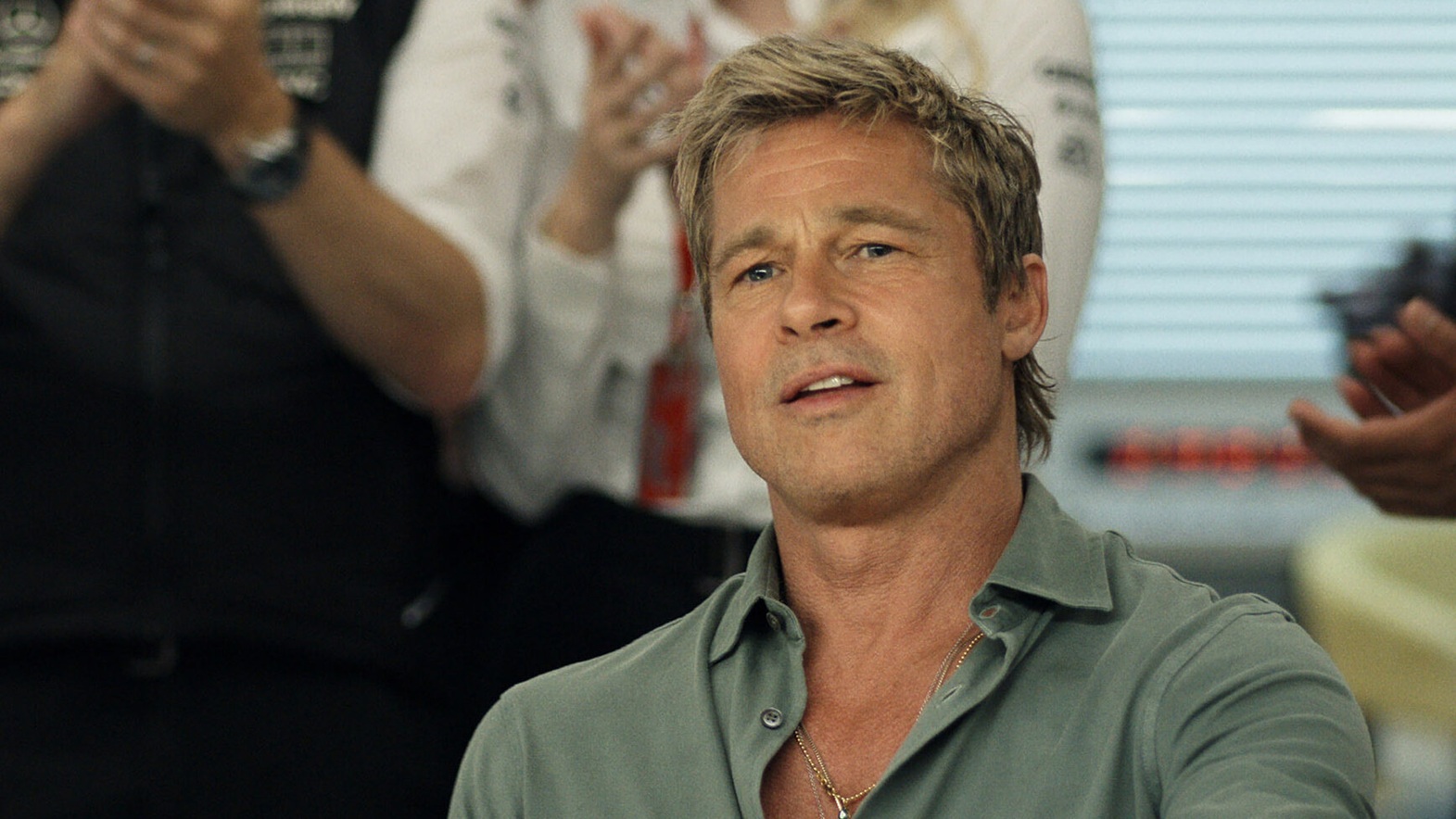
Yet as the race ends and the focus turns to the broader story, familiar sports drama shapes return. Just as the cars leave rubber marks on the circuits, the film leaves its own traces—replaying elements like the aging hero’s last chance, internal team squabbles, and a climactic shot at redemption. While the film finds genuine moments—such as the pairing of race action with brief, contemplative pauses—its narrative often defaults to what’s familiar. Sonny’s continued competitiveness, well into an age considered long retired for real F1 drivers, stretches belief in a way that pulls viewers out of the otherwise immersive world. This is a film at odds with itself—one foot planted in the realism and hardship of motorsport, the other skipping into fantasy for dramatic effect.
Many of the supporting characters serve as functional notes rather than true melodies within this orchestral movement. Kate McKenna, the sharp and driven technical director, is played with controlled strength by Kerry Condon, but the narrative grants her more technical jargon than personal moments. Ruben, wrestling with the realities of keeping a failing team afloat, is all tension and hope, but not much else. Other figures, like a cold investor or fleeting cameos by real-life F1 personalities, offer authenticity but little substance. In each of these, the film seems to acknowledge the wider world of Formula 1 but is unsure how much to let it into the emotional center.
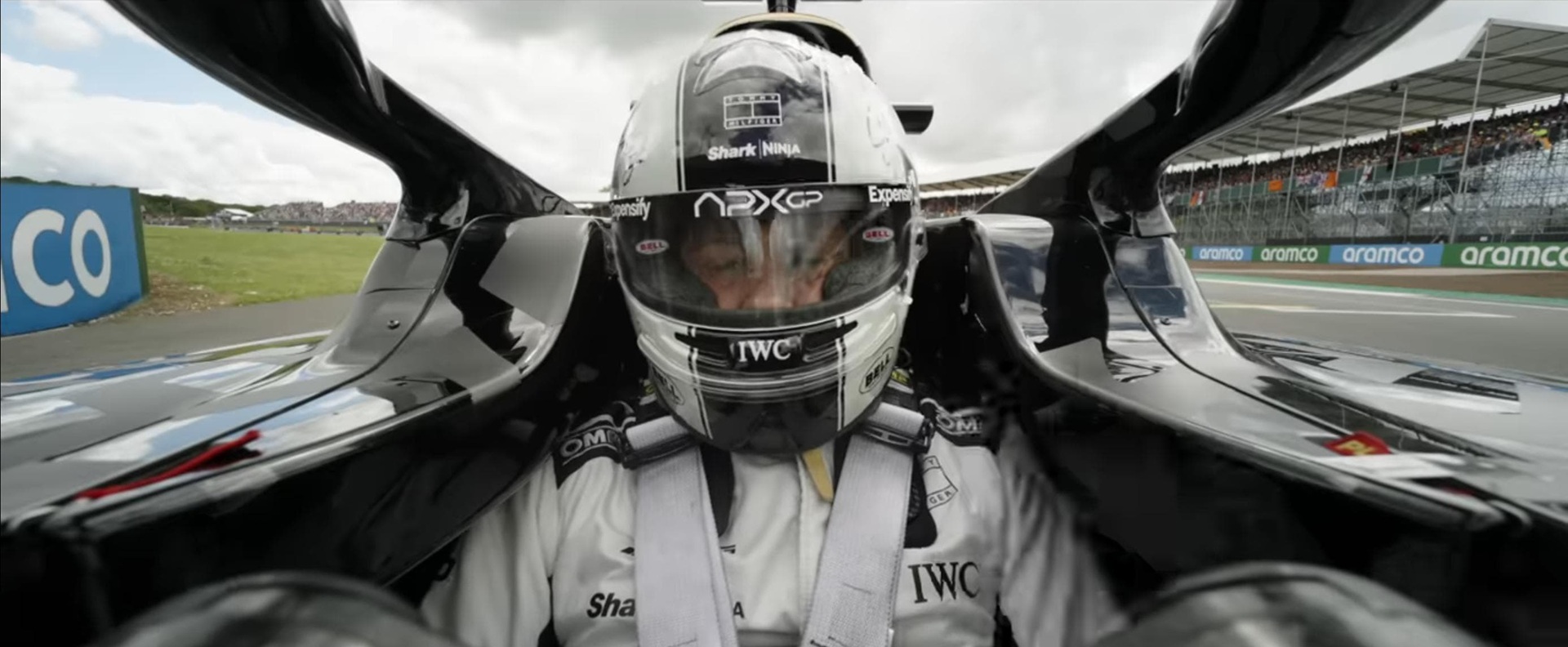
If the story sometimes slips on oil patches, the technical flair rarely falters. Hans Zimmer’s music—moving from explosive crescendos to the soft, suspenseful pauses between heartbeats—transforms racing into a kind of symphonic experience. Every high-speed corner and late-brake duel is matched by a dynamic musical voice that underlines the tension and the stakes. Kosinski’s use of cockpit shots and sweeping aerials is a masterclass in matching visual intimacy with scope. The camera never lets the audience forget the pressures at play: the tight, shaking world inside Sonny’s helmet; the predatory movements of cars hunting each other across city circuits and winding tracks. The authenticity is heightened by practical filming: mounted micro-cameras real F1 paddocks, actors performing at speed. These details make every lap feel lived-in, adding a layer of sincerity often missing from Hollywood racing films.
But while F1: The Movie excels in how it is built, its story choices sometimes risk losing the audience it most wants to please. The film’s key plotlines—a financially endangered team racing to survive, an old hand training an ambitious rookie, crises resolved in the pressure cooker of the last lap—are tried and true. But some liberties stray far from the sport’s real standards, potentially alienating those who know and love F1’s particular rules and culture. Sonny driving on after a crash with impaired vision is a clear nod to recent controversies in the sport, but the way the scene is handled skips over the life-or-death consequences such choices carry. Similarly, the script leans on manufactured drama—like orchestrated crashes to alter results—that evoke real scandals in the sport’s past but brush over their impact in pursuit of excitement. These moments, while engaging, contrast sharply with the film’s drive for credibility.
The structure of the racing season itself is subject to narrative shortcuts. The movie moves through time and space in ways that suit the plot, sometimes overlooking how global travel, race calendars, and driver requirements work in reality. While most viewers may accept these shifts for the sake of flow, purists will feel each leap like a shudder in the gear shift. The internal debate between spectacle and authenticity is a constant hum beneath every scene.
The use of music is another place where the film’s ambitions occasionally clash. Zimmer’s atmospheric score roots the tone in gravity and tension, but this is sometimes undercut by well-known pop tracks—Ed Sheeran, Doja Cat, and others—slipped into key moments. At its best, the music elevates the drama; at its most jarring, it interrupts the film’s heartbeat with reminders of its blockbuster ambitions. A choice like blasting Queen’s “We Will Rock You” over racing action is bold but tilts toward cliché rather than lasting emotional impact. The auditory landscape is always dynamic, sometimes tugging the film in two different directions.
The film’s theatrical presentation is a clear asset. Shots in IMAX, enveloped by Dolby Atmos, let every tire squeal and gear change reverberate across the theater. Watching on such a scale transforms the viewing into a nearly physical event, compensating for some of the narrative flatter moments. The experience is engineered for maximum immersion—a celebration of cinema as an arena for pure spectacle and shared excitement. Seen on smaller screens, some of this energy inevitably drains away, underscoring how much the film depends on setting and presentation as part of its impact.
There are points where F1: The Movie gestures toward deeper ideas. Sonny’s pursuit of focus in a loud, crowded environment—that search for clarity as distractions pile up—is a subtle parallel to any artist or athlete aging into a world that seems less and less familiar. The shifts between shadowed garages and sunlit straights, the visual emphasis on blurred lines and uncertain vantage points, all work as metaphors for the tension between tradition and transformation. Still, though, these patterns remain mostly as hints rather than guiding structures. The film’s preference is always to surge forward, lingering on questions only for a heartbeat before plunging into the next thrill.
The film’s marketing strategies point to its technical focus. Apple’s haptic trailer which let phones vibrate in sync with F1 engines, absorbs the film’s sensory philosophy. It promises that viewers will feel every shock and surge—a kind of technological handshake between audience and story. Ironically, this small innovation sometimes outdoes the movie’s own achievements in evoking that intimate “you are there” sensation, highlighting both the promise and limits of cinematic immersion.
Efforts at authenticity stretch beyond the cameras. Both Pitt and Idris trained intensely, riding in actual Grand Prix cars and learning the mechanics of racing from the ground up. The APXGP team featured in the movie participated alongside real teams at Grand Prix events. Cameos by real drivers and lively parties with DJ Tiësto reflect a sincere desire to capture the texture of modern F1 culture. These choices give the film weight, even as it occasionally slips into glossy fiction.
Much of the movie’s tension springs from trying to satisfy both dedicated fans and general audiences. To pull newcomers into the world of F1, the film uses broadcast-style commentary during races, explaining rules and strategies while the action unfolds. At its best, this makes the tension clear; at its worst, it slows the rhythm and undercuts the subtlety of what’s happening on the track. Novices may appreciate the clarity, but those seeking pure cinematic show-don’t-tell may find these moments distracting. That balance—between clarity and immersion, education and entertainment—is never fully resolved.
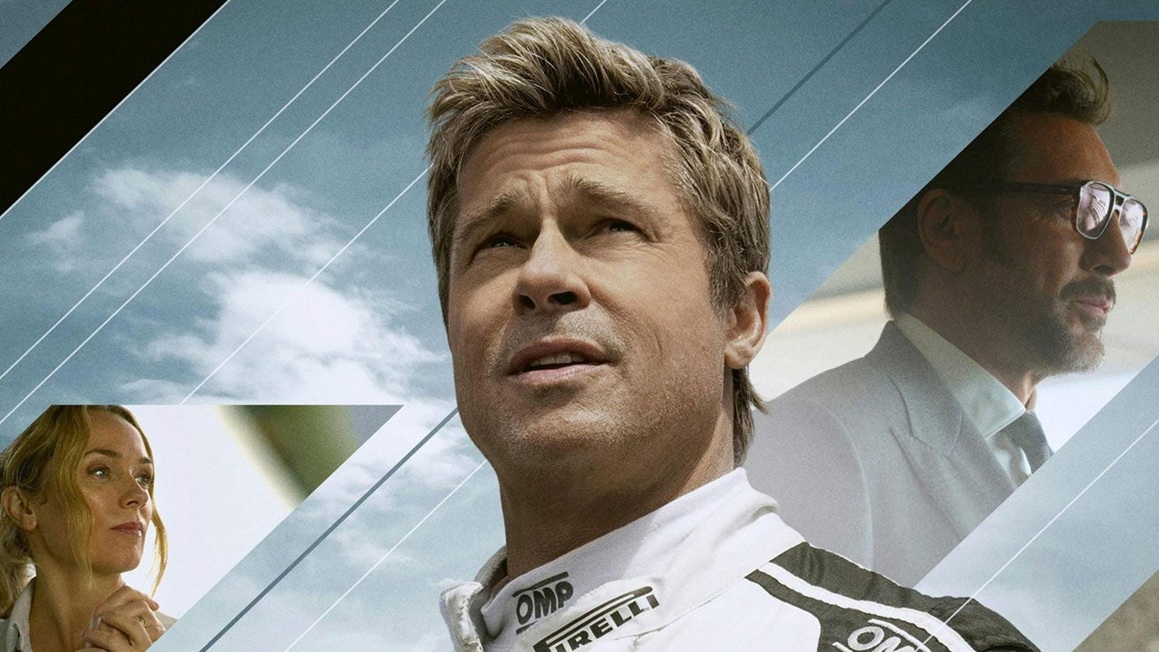
The technical focus extends to the framing of the action. Tight cockpit shots keep the audience pressed close to Sonny as he drives, making every heartbeat and blip of the rev meter tangible. But this visual intensity can close off the emotional world outside the cockpit, making the character’s relationships harder to explore and limiting the viewer’s connection to broader drama. It’s a deliberate tradeoff: visceral excitement traded for a narrower emotional field.
Despite narrative shortcuts and sometimes shallow characterization, the film’s lead performances provide its real lift. Pitt channels gravity and underlying pain, his presence anchoring each scene, while Idris radiates the restless energy of someone in too much of a hurry to look back. Their shifting rivalry and uneasy mentorship give the film much of its momentum. Bardem’s Ruben and Condon’s McKenna add competence and presence, if not always depth. Together, they animate a familiar but satisfying dynamic—the old guard teaching the new, each learning more from each other than they ever quite admit.
In the end, F1: The Movie is both a triumph and a missed opportunity. Its technical polish and pulse-racing spectacle establish it as an essential big-screen event—an act of cinematic bravado that lets viewers feel the glory and danger of the world’s fastest sport. But its story treads recognizable ground, skimming past the deeper possibilities of its characters and themes. What remains is a film whose lasting impact comes from sensation rather than subtlety—a celebration of ambition and velocity that doesn’t quite escape the gravitational pull of formula. For many, the experience will be enough: the thrill of engines, the blur of speed, and the echo of possibility lingering after the credits roll. It may not be the definitive statement on Formula 1 or the most profound sports drama, but it captures something honest about the chase for relevance, the risk of falling behind, and the shape of hope on the far side of the finish line.