


Summary
The Best of the Best is a lively, nostalgia-filled dance comedy that blends Bollywood spectacle, hip-hop, and South Asian diaspora culture into a story about friendship and redemption. Led by strong performances from Maitreyi Ramakrishnan and Priyanka Kedia, the film embraces familiar dance-movie clichés while exploring identity, creativity, and the meaning of cultural expression. Predictable but entertaining, it makes for a worthwhile light-hearted watch.
Overall
-
Acting
-
Cinematography
-
Plot
Dance competition between rival groups? I took a headfirst drive down memory lane, recalling all those movies on our TV screen- Street Dancer, ABCD, Step Up- and the Bollywood masterpieces that highly influenced my failed attempt at learning how to dance. That’s the first thing I thought of when I heard about this new movie on Netflix (or should I say my endless list of pirated websites) named The Best of the Best.
This type of movie follows the same playbook, I thought: the public humiliation, some trouble in paradise, and a redemption arc where the good guys must win. The Best of the Best checks all the boxes. I have seen this one before; I told myself before I pressed the play button on screen. Well for someone who thought herself to be that familiar with the age-old pattern, I did not expect to be that caught up in the film. Maybe the pair of best friends added new masala to the old recipe, which hooked me to the movie. The public humiliation was there, but I wanted to know how the best friends found their way through the drone of problems that were about to come their way in the next 2 hours.


The movie itself was a page torn from the rulebook of dance fights: the protagonist, the acclaimed group of dancers trained by a walking fedora who should’ve trained the military. (For Captain Ronak is no less than a drill sergeant when he says, “Cheetos came out in 1948. Since then, we’ve never won a war.”) The lackeys, the over-enthusiastic joker, the main characters, who are, in this case, a pair of best friends with polarised personalities. And of course, the reputation of the team itself, relevant enough to be acclaimed, but recently fallen from glory. The fallen angel does rise, though; that’s where the screen shows the obvious redemption arc of the plot. The movie chips in on another argument here- diasporic identity cannot be copied, and this art, laced with creativity and invention, can easily steal the spotlight of the show.
Extra Is The Point
The film relies on nostalgia, highlighting diaspora traditions and art. The dance competitions, the rivalry, the teams, all revolve around the community’s Indian hub. The fast-paced, high-beat hip-hop, occasionally laced with the Bollywood item songs, is a throwback to Bollywood-themed parties at home. The movie did not exactly portray the traditional Bharatanatyam or the classical route of dancing. Rather, it relied more on the notion of what the audience thinks of an indian dance performance. It was an amalgam of tradition and modern hip-hop dance, featuring one of the most ceremonious occasions for dancing- a wedding ceremony. This Bollywood spectacle is ornamented with a personal story of friendship between Maya and Anjali.
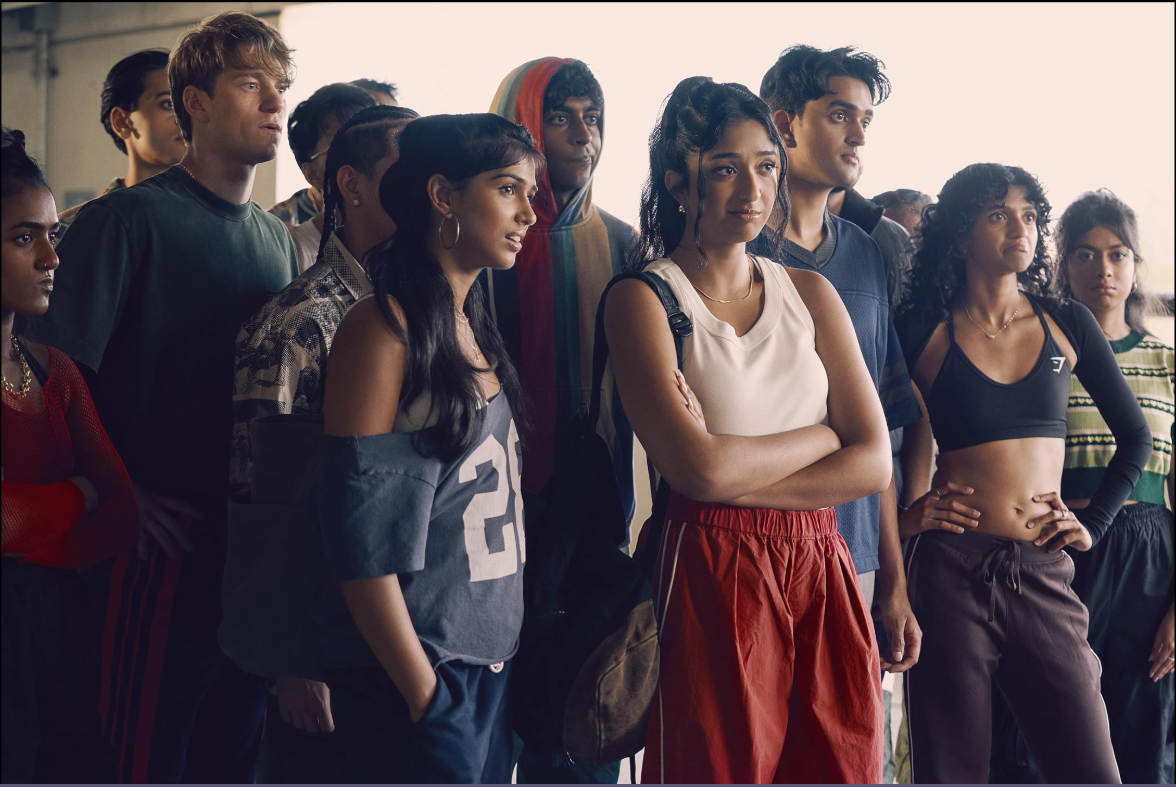
Anjali shines like a rare Kohinoor, and so did Priyanka Kedia in the movie. As Anjali always gets the spotlight, makes her own space in everyone’s heart, and moves places just because she is well loved, her best friend Maya gets shunned. Anjali is a soft, elegant character, but a bit wayward at times. Anjali seems to grow up in a very restricted environment with her mother. But as they say, the more you chain them, the more they resist. Her idea of having a good time often involves all the rowdy things she was never allowed to do. So our sweet, soft-spoken girl lies in the danger of losing herself. As we see later in the movie, while living on the high tide of newly found freedom in college, Anjali forsakes her studies and, more disappointingly, her rock, Maya. This unstable character really dominated the stage, as Priyanka Kedri is a relatively new face on the screen. She brought such a well-defined character to life, perfectly complementary to the harsh nature of Maya. Maya is the more talented, yet less loved, of the two. She was always pushed to be less girly; softness was never really her field. She is a more edgy, rebellious character, socially awkward and a bit maladroit. Whatever she does is an art of invention rooted in pure intentions, but she has a reputation for ruining things in the process. She means well, but her words can easily be misunderstood and hurtful. Well, this is not the first time Maitreyi Ramakrishnan has played a strong-headed, yet talented young adult with a tendency to ruin things for herself, even with the purest of intentions.

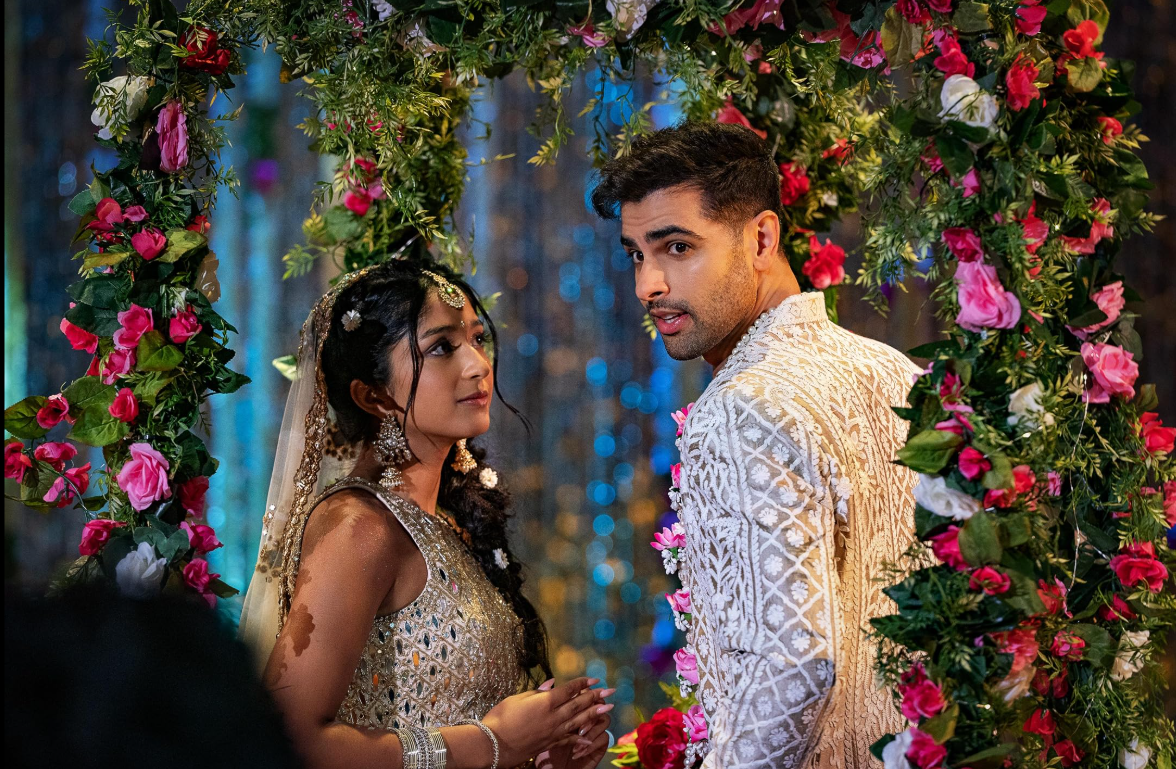
Maya and Captain Ronak maintain the balance between the whimsy and its practical execution perfectly, as their opposing traits and contradictory leadership styles ultimately lead the team to glory. While Maya thinks a Bollywood wedding-themed dance performance is tacky and that their culture is bigger than Bollywood, Ronak reiterates that “Life is extra, and being extra is not an insult. To be extra is to be human”. The whole movie later chips in on this one statement as Maya later adds more fuel to the flame. Her idea of the smoking tiger carriage spewing flowers is one of the greatest additions to the drama. However, Maya again balances out this whimsy. Her successful feat, as she urges Ronak to report the competitor team for fraud, highlights why she is a necessity to the team, in addition to her destructive creativity. Maya steadfastly holds the rationality of the team by herself, as in their final moments she says, “ We need to stop obsessing over the things we have lost, stop chasing what was stolen, and focus on what no one can take away.” This reverts back to the dramatic finale. The team, in all their feat to acquire the crown for success, declares they do not need the symbolic diamond and that they were not to steal it.
Now the film is clearly aware of the clichés of diasporic comedy. It satirises the South Asian Students Association with its co-presidents (one Pakistani American, one Indian American) feuding in public. It stages the “white person who knows more about the culture” in Harry (Nico Greetham), who is both a joke and an ally. And it pokes at its own academic vocabulary when a teammate calls South Asian culture a “living palimpsest” and another admits he doesn’t understand her. However, this self-awareness has its limits. Some would argue that the male characters are forgiven too easily, with apologies as thin as a text message, while the women’s reconciliation is treated as monumental. This argument is again nullified if we do not view this as a reconciliation between two women, but rather an understanding between two friends. Some might say the film is too predictable, and that the subplots have a real chance of improvement. Well, a dance competition revolving around youths cannot really lose its predictability while following the same rulebook as its ancestors. However, the twists and turns of friendship, the controversial characters, and the paradoxical nature of the theme make this a worthwhile light-hearted watch for a good time.