


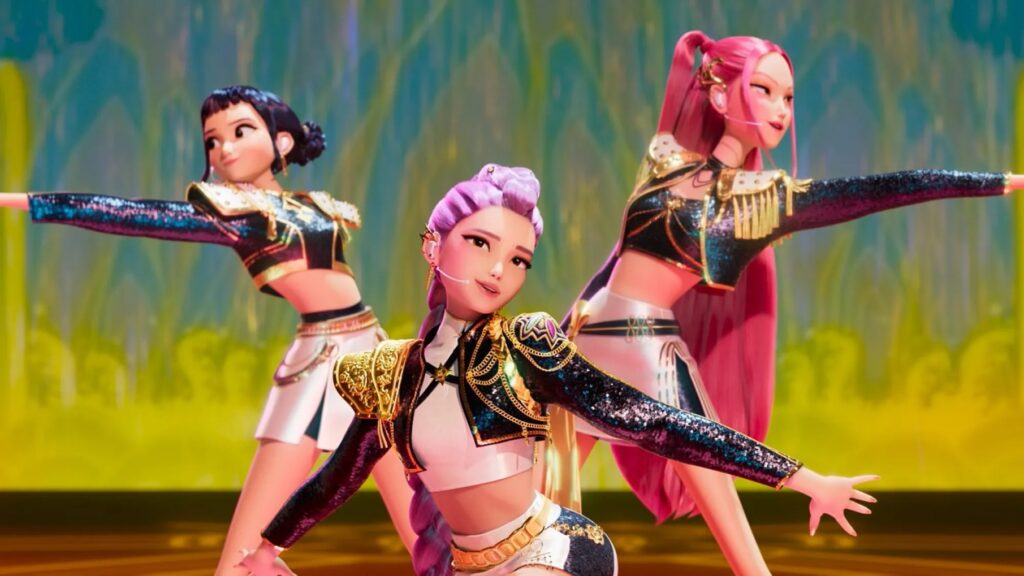
A Fun Take on the Pop Culture Phenomenon
Summary
KPop Demon Hunters blends K-pop spectacle with supernatural action, following girl group Huntrix as they battle demons and industry pressures, delivering dazzling animation, heartfelt character arcs, and sharp cultural commentary on fame, identity, and resilience in modern Korea.
Overall
-
Plot
-
Narrative
-
Acting
-
Characterization
-
Music
-
Visuals
-
Pacing
KPop Demon Hunters arrives at a time when genre-blending in animation is slowly becoming bolder, yet few films embrace this experimentation as earnestly. On the surface, it’s about an all-girl K-pop group whose nightly choreography extends beyond their routines to secret supernatural battles against demons. But its story, crafted under the vision of directors Maggie Kang and Chris Appelhans, moves purposefully beneath its vibrant spectacle, aiming not just to impress fans of K-pop or supernatural action, but to connect more deeply with a universal audience. Throughout its swift, energetic runtime, the film straddles the line between bright, bubbly entertainment and sincere explorations of identity, resilience, and the pressures facing young performers in the public eye. Our review of KPop Demon Hunters analyzes how the movie holds up in terms of both visuals and music.
The film centers on Huntrix, a fictional K-pop trio: Rumi, the commanding lead who radiates composure and sensitivity; Mira, whose flawless moves conceal an inner vulnerability; and Zoey, a rapper whose playful wit hides personal wounds. On stage, they exemplify the polish and unity idol groups are celebrated for; away from the lights, they transform into magical girl demon hunters, tasked with defending humanity from dark forces. This premise is instantly compelling in its duality—life for Huntrix is as much about emotional strength as it is about teamwork and technique. The idea that the world expects perfection from young women while they deal privately with their own insecurities becomes a living, breathing metaphor in every scene.
At first glance, the narrative’s use of the magical girl genre might seem familiar. It borrows from longstanding motifs popularized by Sailor Moon or Buffy the Vampire Slayer but distinctly reinterprets them through a modern Korean perspective. The supernatural fights are never just arbitrary clashes against evil—they represent struggles the girls face in their own lives: seeking acceptance, growing through adversity, and learning the value of authenticity in a world that demands otherwise. The film’s art style, taking cues from boundary-pushing visuals like Spider-Man: Across the Spider-Verse and The Mitchells vs. the Machines, fuses tactile hand-drawn animation textures with the energy of digital effects. The result is an environment that pulses alongside its soundtrack, where dance battles morph into real combat and every note feels consequential.
The soundtrack isn’t just an accessory. In KPop Demon Hunters, the music features real-world artists such as EJAE, Audrey Nuna, Rei Ami, and members of TWICE. Whenever a song erupts, it’s more than a showcase—the music reveals characters’ emotions, pushes the story forward, and brings a true-to-life K-pop feel that grounds the fantasy. Much like Frozen or Encanto, the lyrics and melodies become essential tools for self-expression and storytelling.

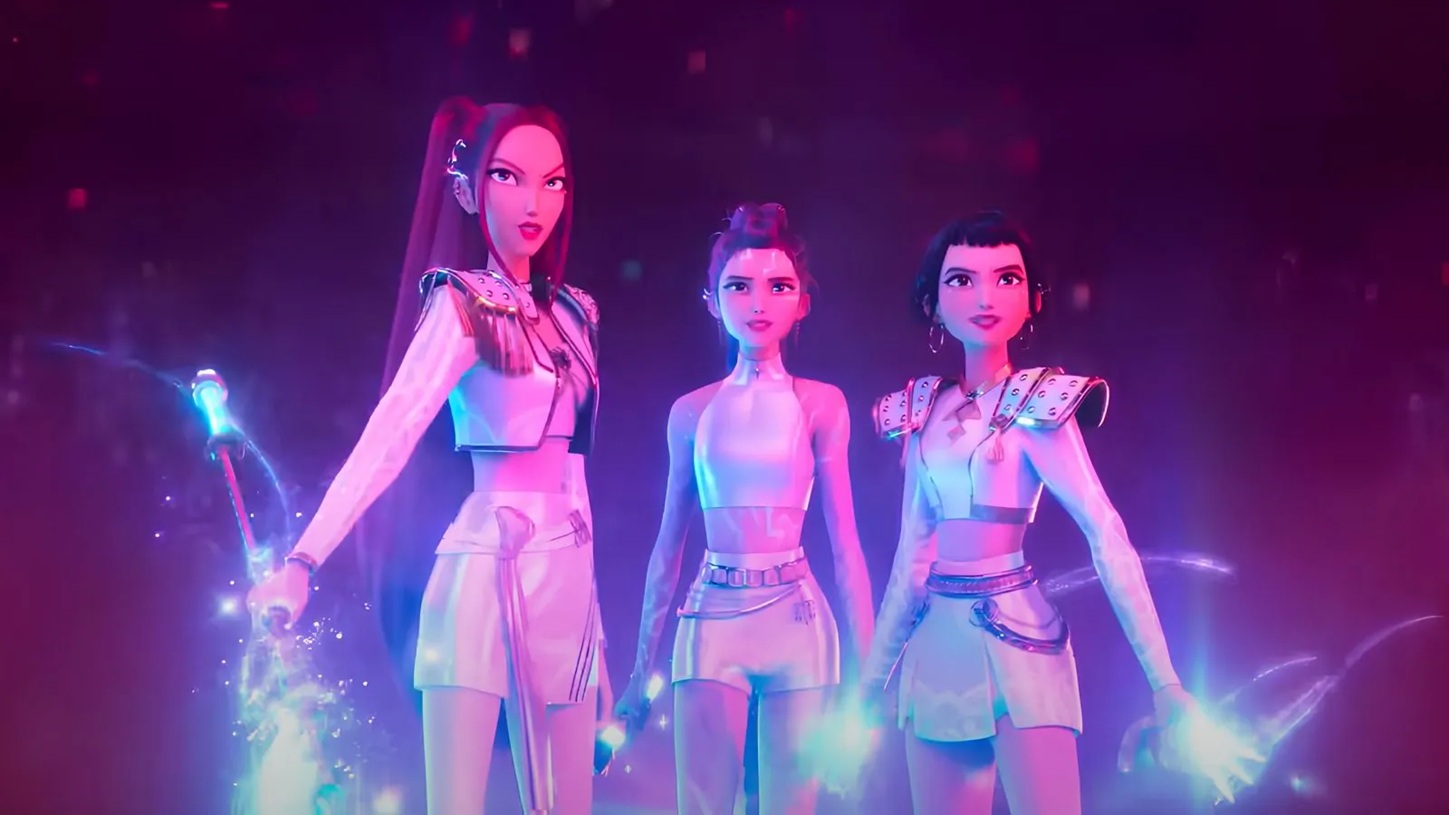
Each member of Huntrix is painted with nuance. Rumi is especially complex: a leader outwardly in control but privately wrestling with expectations. Mira and Zoey round out the group’s dynamic, both contributing more than signature moves—Mira’s strength is tinged with nervousness about failing, and Zoey’s brash charisma covers moments of doubt. Their desire to support each other brings heart to scenes that might otherwise be all flash.
The source of chaos in their world, Gwi-Ma, offers a more nuanced antagonist than most. Voiced by Lee Byung-hun, Gwi-Ma is no mere villain, but a metaphor for the draining toll of unrelenting fame and public judgment. The introduction of the Saja Boys, Gwi-Ma’s rival K-pop group, brings the competitive undertones of the entertainment business into sharper focus. Through these rivals, the film examines both supernatural opposition and the very real struggles of relentless competition, mental strain, and the commodification of artistry.
Huntrix doesn’t shy away from truths about the K-pop industry. Viewers watch as the girls juggle brand deals, rehearsals, and the expectation of constant flawlessness. In quieter moments—lounging in hoodies or eating instant noodles—their humanity shines. The film also touches on generational trauma, showing how pressures passed down through family shape identity and relationships.
The tone balances action, comedy, and sincerity. Fight choreography is fluidly synchronized to songs, blending spectacle and story. Comedy comes from banter, celebrity run-ins, and industry quirks. Sincerity grows naturally through arcs of doubt, pride, and triumph, appealing to both younger viewers drawn to the magical battles and older fans interested in its commentary on fame, mental health, and self-acceptance.

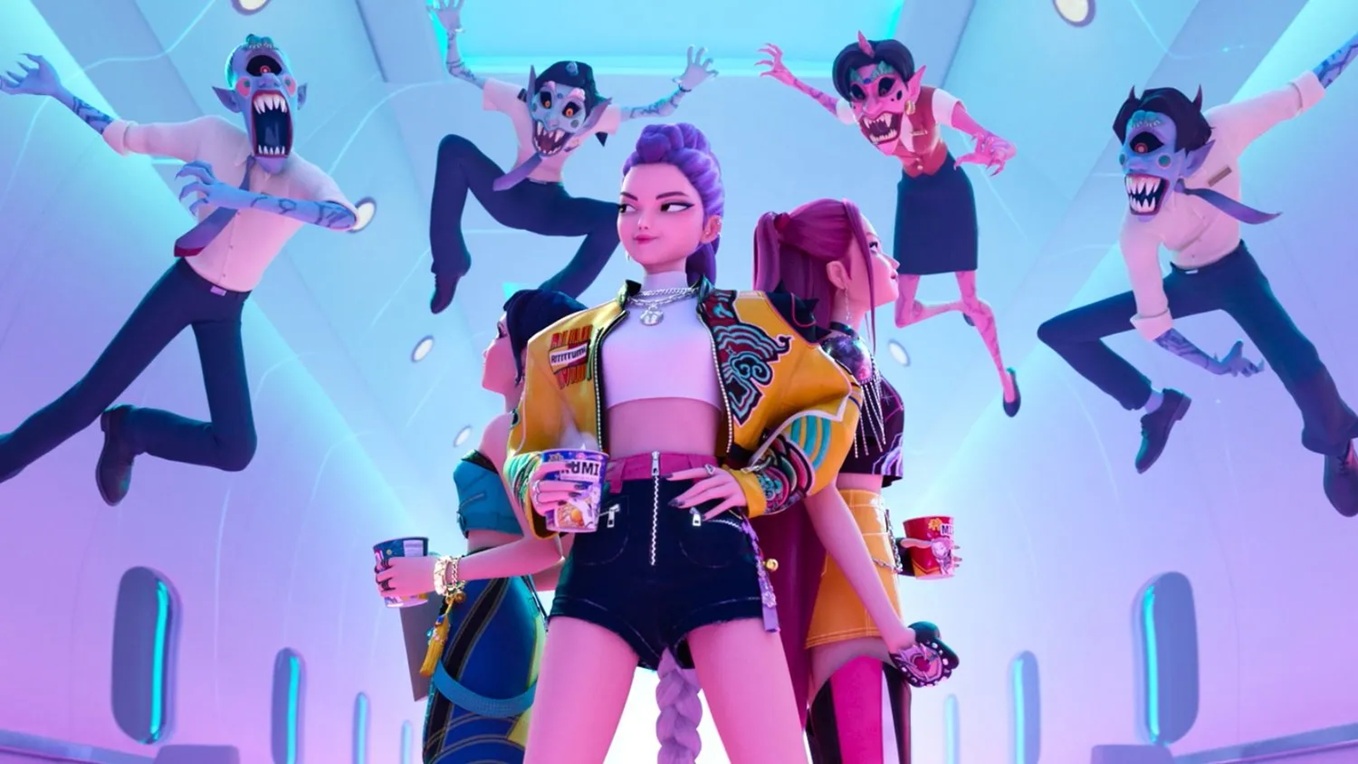
Every visual and auditory element aims for engagement. Animation playfully shifts into chibi form for comedic relief, while maintaining urgency in high-stakes scenes. The dynamic style creates a world where music, movement, and magic pulse in unison.
The story is deeply rooted in Korean culture. The barrier between worlds acts as a metaphor for social divides and the tension between tradition and progress. References to Korean mythology, local folklore, and rituals enrich the narrative, giving cultural depth while remaining universally relatable.
The film satirizes idol culture without mockery, poking fun at overzealous fandoms, corporate machinery, and performance quirks. This humor builds connection and sympathy for what Huntrix must shoulder as role models.
Musically, the film showcases diverse genres, with each number distinct yet cohesive. Collaborations with respected musicians give authenticity, but the soundtrack’s real strength lies in how it advances character and story.

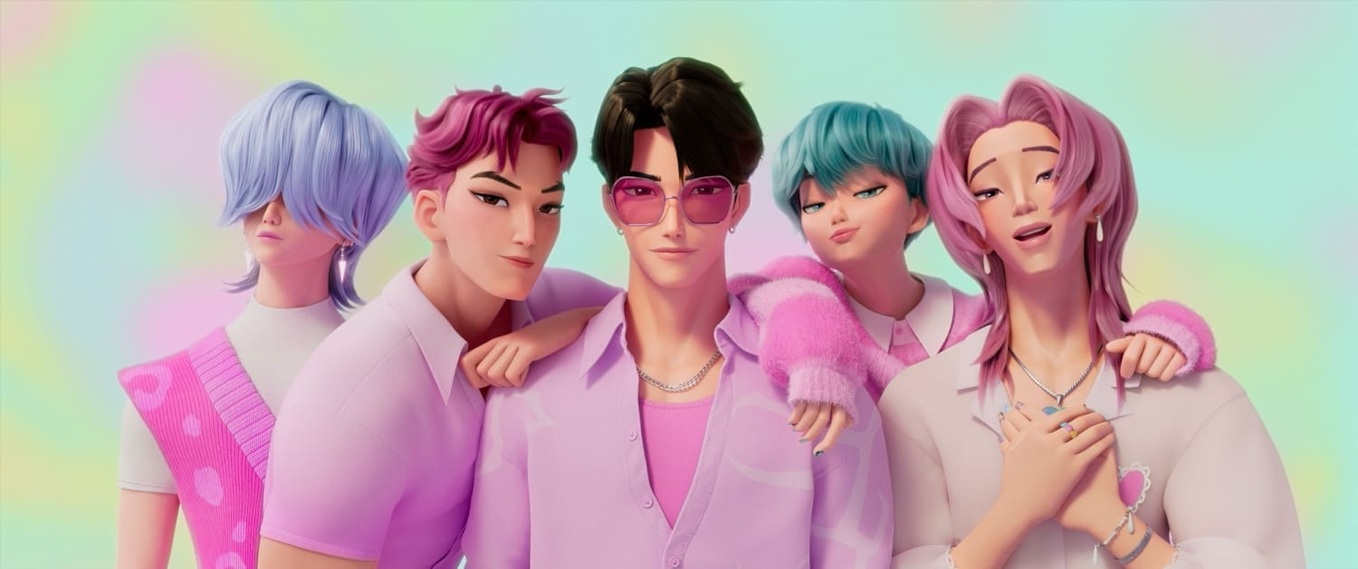
The narrative juggles many elements—ensemble arcs, romantic subplots (including Rumi’s bond with Jinu), the Saja Boys’ rivalry, and Huntrix’s growth. At times, the pace sidelines Mira and Zoey. The climax thrills visually but could benefit from more breathing space for character arcs. Still, the emotional payoff lands, emphasizing the journey over spectacle.
The final act avoids clichés, finding hope in small victories. Huntrix learn to balance public duty with personal truth, showing that vulnerability is a form of strength. The supernatural backdrop frames a coming-of-age story about authenticity triumphing over perfectionism.
In a landscape influenced by Arcane and the Spider-Verse series, KPop Demon Hunters stands apart. Its animation dazzles without excess, and its social commentary is sharp yet optimistic. By tying the realities of global stardom to emotional struggle, it creates a layered story that transcends genre.
Ultimately, the film embraces contradiction—hyper-modern fantasy and touching coming-of-age, satirical yet heartfelt. It encourages viewers, especially younger ones, to see that perfection is neither possible nor necessary. True strength lies in creativity, compassion, and the courage to fail and rise again with support. Through Huntrix’s battles and moments of doubt, KPop Demon Hunters becomes a rallying cry for anyone navigating external expectations. It captures the pulse of a generation seeking belonging, rewriting the script with both spectacle and heart.