



A Quiet Triumph of Modern Romance
Summary
Aap Jaisa Koi delivers a tender, realistic portrait of middle-aged romance in India, exploring love, patriarchy, and personal growth through subtle performances, quiet storytelling, and nuanced social commentary, avoiding spectacle while embracing emotional authenticity and everyday complexities.
Overall
-
Plot
-
Narrative
-
Acting
-
Characterization
-
Pacing
In today’s fast-changing landscape of Bollywood romance, Aap Jaisa Koi sets itself apart through its quiet insistence on realism and honest emotional exploration. At a time when many films still chase drama and spectacle, this one draws its power from what remains unspoken: the cautious movements of love in middle age, the invisible forces of patriarchy shaping intimate lives, and the small, deeply felt moments that leave a lasting mark. Like the best contemporary thrillers that choose subtlety over showiness, Aap Jaisa Koi prefers careful observation over noisy chaos, building its narrative from everyday silences and understated gestures. Our review of Aap Jaisa Koi analyzes how the film holds up as both a romance and as an examination of broader social issues.
The story centers on R. Madhavan as Shrirenu Tripathi, a middle-aged Sanskrit teacher in eastern India. His life at first glance is marked by routine and solitude—quiet dinners, thoughtful evenings, and rare, almost hesitant friendships. It’s this very ordinariness that forms the film’s emotional ground. Shrirenu’s yearning is never loud; instead, it grows slowly, shaped by years of compromise and the long shadows of expectation. Love here is not a fever of youth but a measured longing, complicated by the accumulated weight of the past and the rigid codes that govern Indian families.
The arrival of Madhu Bose, a Bengali schoolteacher with spirit and quiet self-assurance, carries a sense of freshness into Shrirenu’s world. Played with clarity and honesty by Fatima Sana Shaikh, Madhu embodies the boldness of new beginnings coupled with the wisdom of lived experience. There is a gentle spark between them, expressed in brief yet meaningful exchanges—a shy sharing of rings, glances that hold whole conversations. These understated scenes are a welcome departure from Bollywood’s romance tropes, and they invite us to reflect on who gets to pursue happiness, and what romance can look like beyond the gloss of early adulthood.
Throughout these developments, the film deliberately avoids easy sentiment or excessive drama. There are no grand, sweeping gestures. Instead, every moment builds slowly, capturing the uncertainty that defines relationships past the blush of youth. Vulnerability and restraint mix together, revealing just how persistent the desire for comfort and understanding can be, even as age and experience make us more cautious. The pain here is not loud, but it lingers; the joy is subtle, but it’s real.
Yet, love in Aap Jaisa Koi doesn’t exist in isolation. It is constantly reshaped by the stubborn realities of family, tradition, and gender roles. Shrirenu’s elder brother looms large, embodying the authority and conservatism of the old order. He polices boundaries, often unconsciously, signaling both concern and the desire to keep everyone within their prescribed place. His presence reveals the countless ways patriarchy still shapes modern relationships in India, especially for women whose freedom remains curbed in subtle and not-so-subtle ways.

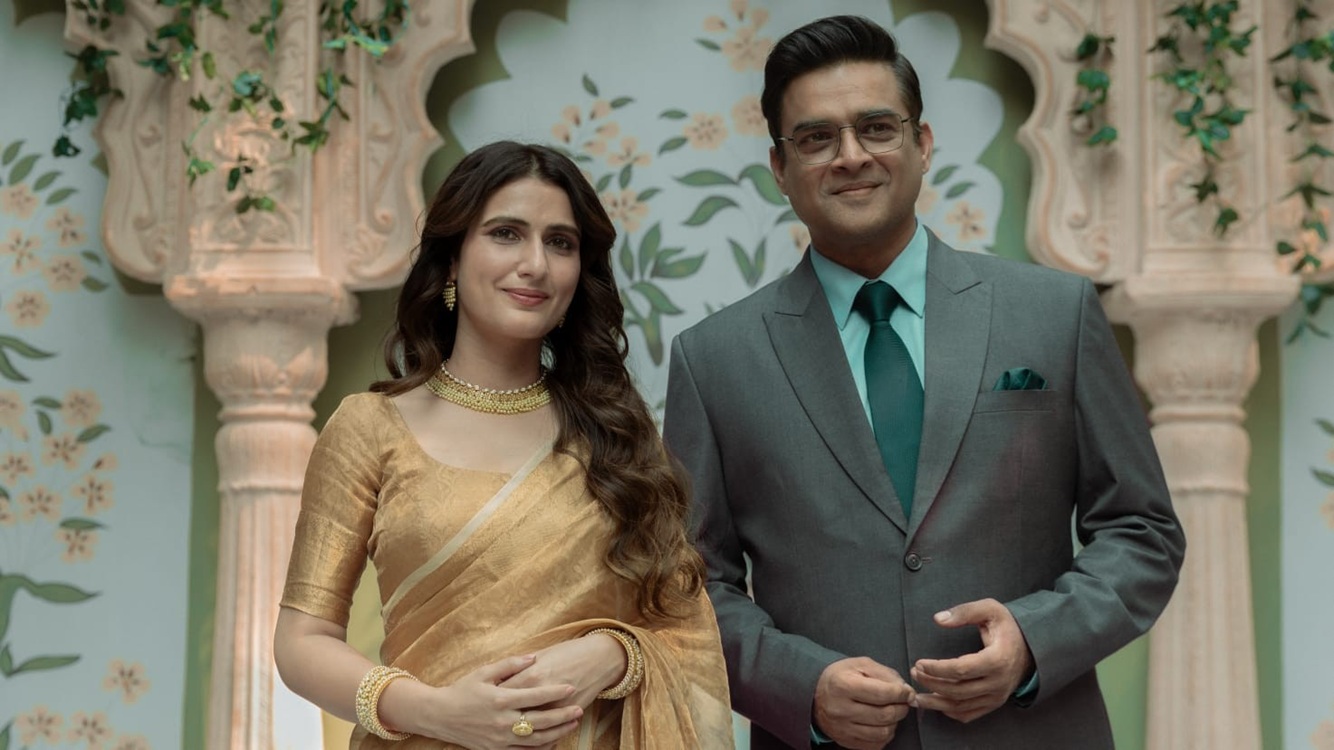
As the story moves forward, Shrirenu’s journey is mirrored by shifts in his own outlook. Initially, he is someone who wants progressive change while still clutching to old patterns—an internal split that Madhavan plays with measured skill. After his engagement to Madhu, he becomes more assured, but the old reflexes linger. The film quietly exposes these contradictions, neither demonizing nor excusing them; instead, it offers a picture of real personal growth, where enlightenment is halting, layered, and incomplete.
Madhu, in contrast, stands as a clear call for self-determination. Her character demands the right to both emotional and physical satisfaction, and she will not hide her sadness or frustration when her needs go unmet. In a key moment, her criticism of Shrirenu—telling him he is like “the others”—cuts to the core of the disappointment felt by many women when their partners unconsciously repeat the patterns they claim to reject. Madhu’s journey is thus as much about hope as about disappointment, and through her, the film offers a rare view of female agency and heartbreak in the contemporary Indian context.
The film’s world is filled in by supporting characters whose lives echo and deepen the main themes. Namit Das, as Shrirenu’s friend, brings humor and warmth, creating space for relief amid the strain. But perhaps the most resonant moments come from Ayesha Raza as the bhabhi, or sister-in-law. In a quietly difficult scene, she reflects not on explosive drama but the grinding, daily invisibility of being a homemaker—her labor essential, yet emotionally unrewarded. Her words about being neither loved nor hated, just forgotten, give voice to a universal but unspoken reality facing many women in patriarchal families.
Director Vivek Soni deserves credit for this careful approach. Rather than the gloss of spectacle, he uses silence and patience to render characters’ inner lives visible. Lingering shots, minimal dialogue, and a muted color palette all create a sense of authenticity; the characters’ experiences feel lived, not performed. The soundtrack, too, is spare and deliberate. Where Bollywood often cues emotion with boisterous song, here the film score acts as a subtle undercurrent, hinting at turmoil beneath calm surfaces.
Yet, for all its strengths, the film is not without missteps. The narrative sometimes retreats from its early boldness, especially when handling subjects like infidelity and sexting. Instead of plumbing their complexity, the story reduces them to short moral lessons, limiting the chance for deeper critique of society’s treatment of female desire and agency. This cautiousness keeps the film from reaching the radical potential hinted at in its best scenes.

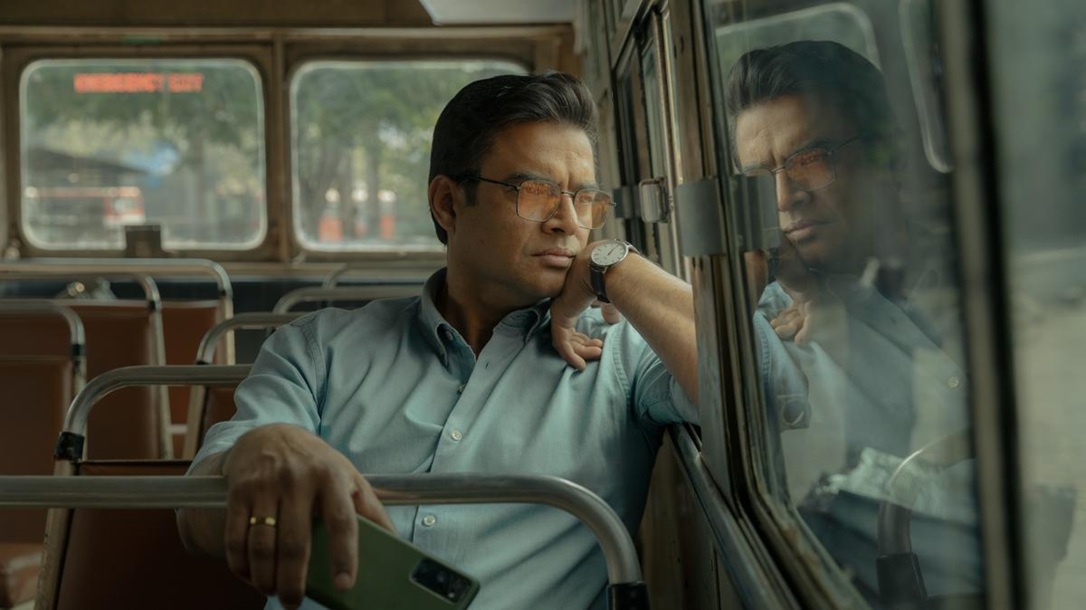
There’s also a tendency to frame social tensions within narrow regional binaries—North India versus Bengal—which, while compelling, risks shrinking the film’s focus. The drama of patriarchy, loneliness, and desire extends past any single geography, yet at times, the film’s lens feels restrictively local. This focus pulls the story inward, sometimes at the expense of a more expansive, universal relevance.
In some moments, the screenplay leans on tropes familiar from earlier movies—middle-aged longing, family interference, old versus new values. What distinguishes Aap Jaisa Koi is less the big story beats and more its careful, deliberate silences and willingness to let discomfort linger. It is a choice in line with recent Indian streaming dramas: honest enough to draw praise for sincerity, restrained enough to avoid provoking controversy.
At its most affecting, though, the film succeeds in delivering genuine emotional insight. The day-to-day pain of overlooked women and the inner strains of men divided between hope and habit are presented with a level of realism rarely seen in the genre. The characters never harden into simple roles; hero, victim, villain, and bystander often blur, as they do in life. The performances—especially Raza’s as the bhabhi—anchor the film. She becomes an emotional touchstone, reminding us that the cost of tradition’s shadow is measured out quietly, in unshared sorrows and missed affections.
The ending refuses easy resolutions. Shrirenu’s growth is real but unsure, marked by newfound awareness of his part in the patterns he once resisted. There is no triumphant closure, nor a plunge into despair. Instead, the final notes are ambiguous—an honest reflection of the real work of changing oneself and one’s family. The story leaves space for continued reckoning, for apology and renewal, but it does not pretend that reconciliation is either quick or simple.
What gives Aap Jaisa Koi its lasting resonance is its unwavering focus on ordinary, older characters—those whom cinema so often overlooks in favor of youthful impulsiveness. Love, for Shrirenu and Madhu, is not desperate risk but careful negotiation, full of awkwardness, regret, and also shy optimism. The film treats everyone with empathy, recognizing that the path out of old patterns is long and uneven.
Audience response underscores the hunger for such stories. Many praised its subtlety and depth, marking it as a “must-watch” for those tired of formula. The layered performances stand out, particularly Ayesha Raza’s, whose scenes became a talking point among viewers. The slow-burning narrative, the attention to social context, and the refusal to tie every thread together all found supporters—especially among those ready for more mature romance and reflective cinema.


Viewed alongside the traditions of Bollywood romance, Aap Jaisa Koi is both a part of that heritage and a gentle push forward. It does not reinvent the wheel, but it dares to slow down, to be honest even when it’s uncomfortable, and to center lives and desires that usually disappear behind more dramatic tales. The film’s greatest triumph is accepting contradiction—showing its characters not as finished products but as people moving, imperfectly, toward better versions of themselves.
At times, the script’s restraint shades into self-protection; perhaps the constraints of audience expectations or streaming platform influence keep it from total radicalism. Yet, this very caution is true to the story it tells. The characters, too, move within limits—of age, family, community—striving for more but always aware of what must be delicately managed, not blown up.
Madhavan’s performance anchors the film’s understated mood. His Shrirenu is a man of few words but many emotions, his silences brimming with old wounds and uncertain dreams. Fatima Sana Shaikh’s Madhu is equally layered, her strength and vulnerability intertwined in scenes of hopeful connection and sharp disillusion. And it is Raza’s bhabhi who brings it into sharpest relief: the reality that so much love and longing exists outside grand stories, in the quiet spaces of ordinary homes.
In the end, Aap Jaisa Koi does not promise revolution or closure, but rather the quiet dignity of trying. By choosing to focus on middle-aged romance, acknowledging the slow pace of personal and social change, and rendering its characters with careful honesty, it offers a rare, thoughtful look at how people love and strive for better within stubborn, familiar constraints. It is a small story, told with care, that ripples outward—reminding us that the most meaningful change often begins with honest self-recognition and the willingness to stay with hard questions when easy answers are nowhere to be found.