





A Slightly Disappointing End
Summary
This review of The Boys Season 5 examines a brutal final chapter where corporate satire becomes dystopian reality. Despite a scattered plot, the series delivers a structurally classical, emotionally charged endgame that exposes the fragility of unchecked power.
Overall
-
Plot
-
Narrative
-
Acting
-
Characterization
-
Direction
-
Pacing
In the crowded world of superhero fiction television, The Boys stood out by doing something rare. It treated caped “gods” not as wish fulfillment, but as a corporate and political disaster. The early seasons shocked viewers with gruesome violence in media and sharp satire. Yet the show always returned to something grounded and human. That core lived in its characters, especially Homelander: a product of unchecked power, public worship, and childhood trauma that never healed.
The Boys Season 5, the final chapter, arrives carrying that legacy. It attempts to close a sprawling television narrative, deepen its dystopian world, and speak directly to modern fears about authoritarianism, media manipulation, and state violence. Our review of The Boys Season 5 examines how well the show sticks the landing with its ending.
The season often succeeds. It is gripping, ugly, and hard to shake. It also feels scattered at times. It delivers harrowing images and strong payoffs, but it keeps chasing extra ideas when it should narrow its focus. The ending lands with real force. The path to get there is bumpier than it needed to be.
The biggest shift this season is not a new power or a larger special effect set piece. It is the atmosphere. Earlier seasons treated the world as a heightened mirror of our own. Everything was wrapped in corporate branding, internet memes, and cynical public relations. The satire created distance. You could laugh, then flinch.
The Boys Season 5 removes that distance. The joke is over. The dystopia is no longer background decoration; it fills the frame.
The tonal change is clear from the opening episodes. The season begins with infrastructure, not spectacle. We see camps, fences, uniforms, and mass surveillance. Hughie Campbell, Mother’s Milk, and Frenchie are not merely “on the run.” They are trapped inside Homelander’s Freedom Camps. In these detention centers, state authority and personal cult of personality fuse into a single oppressive system.
The show does not treat the camps as a clever punchline. The name first lands as a sneer, then curdles into horror. This is the series stating outright what it has implied for years. The Boys has always been about late-stage capitalism, celebrity culture, and weaponized patriotism. The Boys Season 5 pushes further. Homelander is no longer just a rogue superstar or corporate mascot. He is a fascist who controls the government. His instability becomes public policy. His need for adoration becomes a tool of state terrorism.
The season also generates tension by stripping away the sense of safety that earlier seasons sometimes preserved. From the start, it feels as though anyone could die. Not because the show advertises shock deaths as a gimmick, but because the world has finally collapsed enough to make survival uncertain. Even when the narrative later softens some of that threat, the dread in the early stretch feels earned.
Structurally, The Boys Season 5 opens with an ideal final-season premise. Homelander has captured the American state. The Boys possess a virus that could kill every supe on Earth. That setup creates a brutal moral dilemma.

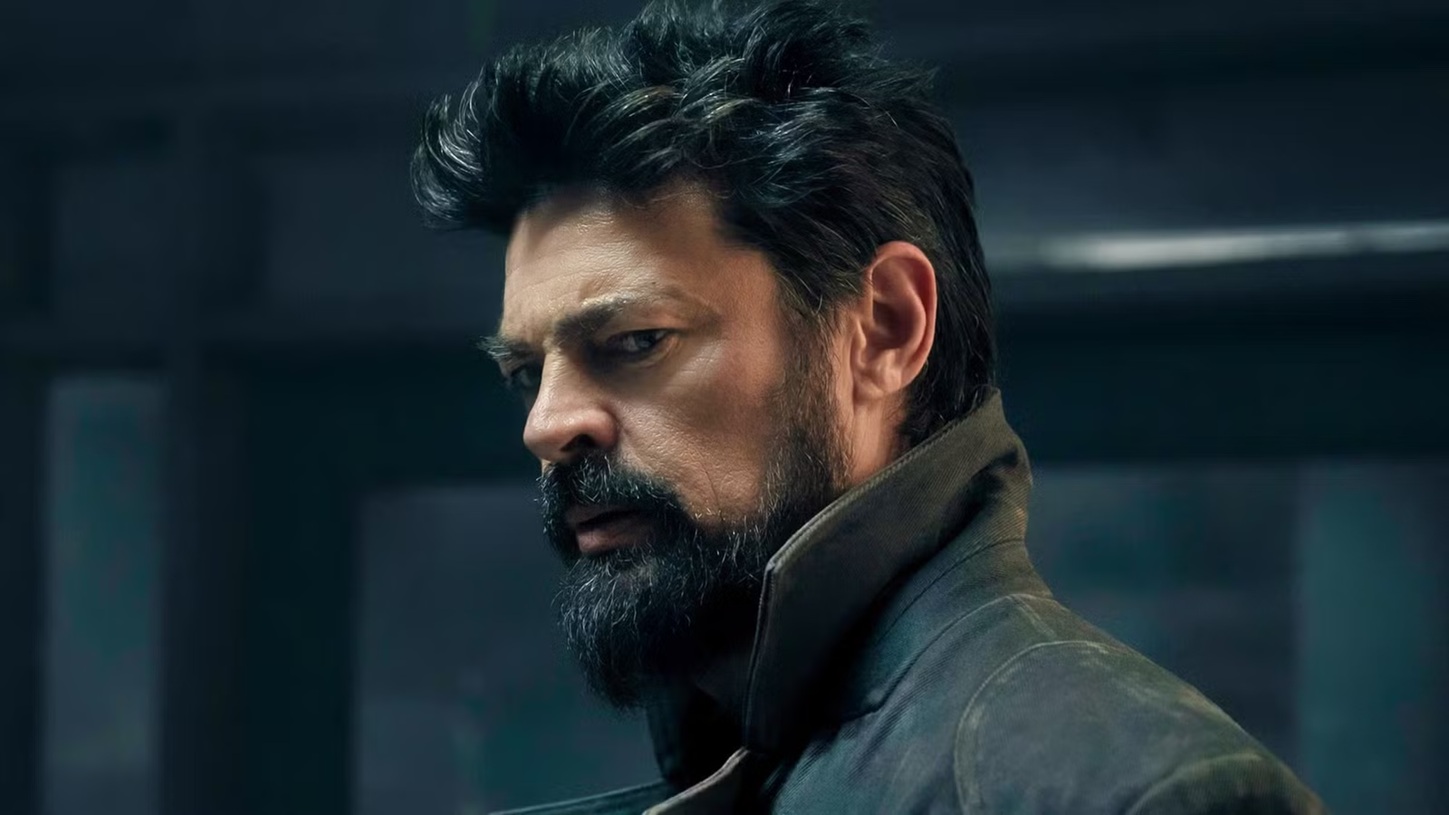
On one side stands an unstable god-king. On the other stands a desperate resistance holding a weapon that could amount to genocide. Between them are allies like Starlight and Kimiko—people the audience cares about, and people who would die if the virus were released.
This premise asks a clear question: is it acceptable to risk mass slaughter to stop a tyrant and the political system that produced him? The question is not theoretical. It strains friendships and fractures loyalty. It forces characters to choose between abstract justice and the lives of those they love.
That dilemma could have anchored the entire season. Every decision might have flowed from it. Instead, the show hesitates. The virus shifts from a moral pressure point to a flexible plot device. The script raises the right questions—can it be targeted, can exceptions be made, would a world without supes be safer—but often slides past the discomfort. It redirects attention toward logistics and workarounds.
Two developments soften the dilemma. First, the introduction of V1, a rare original form of Compound V. Second, the evolution of Kimiko’s powers into a supe-stripping blast. These ideas are clever and generate strong moments. They also allow the season to sidestep the hardest part of its own premise. The narrative seems reluctant to let the genocide question dominate the final stretch. That reluctance echoes through the later episodes.
The Boys Season 5 doubles down on Homelander’s self-image. He no longer wants to be the nation’s hero; he wants to be worshiped. His rhetoric and branding shift into explicit religious language. He presents himself as divine—a god to adore, fear, and obey.
Thematically, this progression makes sense. The series has always shown how entertainment, nationalism, and religion can blend into a single profitable myth. A super-powered tyrant using religious symbolism to cement control is an obvious and potent choice.
The timing, however, weakens the impact. By the time Homelander fully leans into godhood, he already possesses what he needs. He has the presidency, the military, corporate backing, and a fan base willing to excuse atrocities if the branding is strong enough. The image of Homelander in the Oval Office—politicians reduced to props—was already terrifying. The added religious iconography can feel like repeating the same point at a higher volume.
The season’s strongest moments in this area are quiet. Starlight, for example, questions whether saving people matters when the crowd seems determined to love its oppressor. She ultimately arrives at a smaller, steadier creed: you save who you can. Those scenes underline a key contrast. Belief can lead to compassion; it can also be weaponized.
Too often, though, the show reaches for louder satire. It piles on symbolic tableaus, extended gags, and direct parallels to real-world politics. The commentary remains sharp, but constant underlining can flatten the effect. When everything is emphasized, nothing lands with full weight.
Much of the reaction to The Boys Season 5 centers on pacing. Viewers accustomed to the “eight-hour movie” style sometimes describe the season as slow. It does spend more time on dialogue, recurring motifs, and character-driven scenes. It pauses to reflect rather than sprinting from twist to twist.
That choice is not inherently a problem. Final seasons often require breathing room. The Boys Season 5 attempts to connect its ending to its beginning. Billy Butcher’s renewed “Spice Girls” speech echoes his early rallying cry while exposing how little he has truly lived by it. A-Train’s final redemptive act mirrors the moment he killed Hughie’s girlfriend in Season 1. Frenchie’s chemistry expertise becomes more than a tool for destruction when it helps enable Kimiko’s new ability.
These echoes give the season a classical television development shape. Characters loop back on themselves. Themes close their circles. The trouble is not time but discipline. The season keeps stepping sideways into detours and cameo appearances. Many of these scenes are entertaining in isolation. Together, they pull focus from the central conflict.

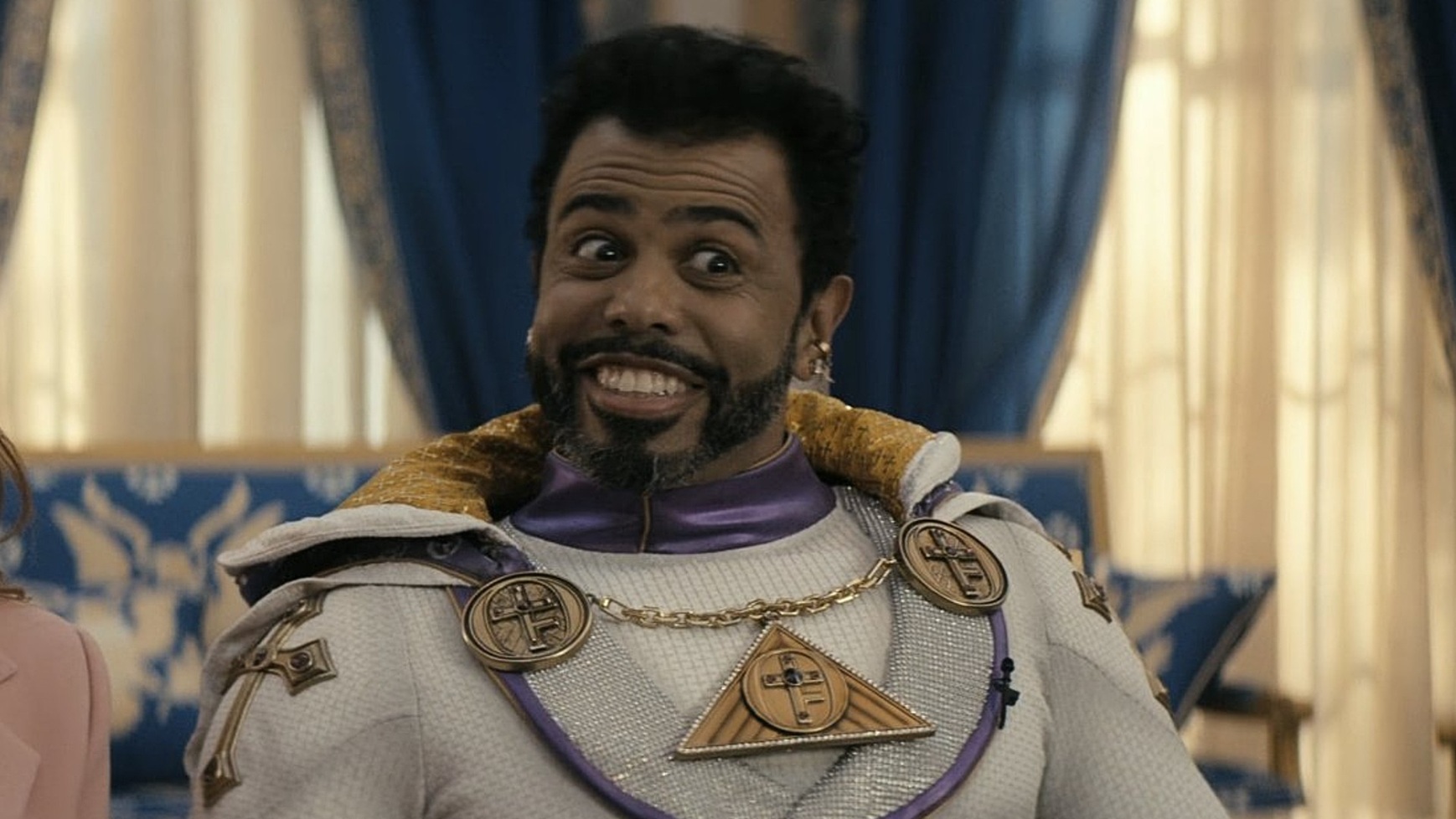
The broader franchise integration, including the Godolkin survivors from the spin-off series Gen V, is the clearest example. In theory, their inclusion should reshape the endgame. In practice, they function more like an important footnote. They expand the fictional universe, but they do not always sharpen the story. When the final season should feel tighter, it sometimes feels wider.
The Boys has always used outrageous violence as part of its identity. The Boys Season 5 does not hold back. Limbs fly. Bodies burst. The camera lingers.
At its best, the brutality serves a purpose. It acts as moral texture, reminding viewers how fragile ordinary humans are in a world run by supes. The most disturbing moments are not always the goriest; they are the most systemic. A camp framed as patriotic duty. Bureaucratic language that turns mass detention into standard policy. Crowds choosing complicity because cheering feels safer than resistance.
In those scenes, the cruelty is cold rather than flashy. The season aligns with the show’s bleakest instincts, and the spectacle supports a coherent worldview. The violence becomes a symptom of power dynamics, not merely a signature flourish.
Despite an uneven journey, The Boys Season 5 delivers a focused and emotionally charged finale. “Blood and Bone” understands that the show cannot end by simply escalating its action. It must resolve relationships and confront its moral argument.
The episode opens by honoring a loss: Frenchie’s death. The funeral is restrained. Kimiko’s grief is largely physical and silent. The absence resonates because the show allows the moment to breathe.
Frenchie’s death also connects to the season’s final strategic turn. Sister Sage’s plan is not an absurdly intricate masterstroke; it is simpler and colder. She provokes Kimiko into fully unleashing the supe-stripping power inside her V1-infused body. Sage spends the season engineering chaos, then chooses anonymity. She relinquishes the identity of “genius” for the safety of ordinary life.
From there, the show commits to its endgame: a White House confrontation that forces Homelander’s political authority, corporate backing, and god fantasy into the same room. One of the sharpest beats is how casually Homelander kills a billionaire patron the moment he is reminded who supposedly “owns” him. The image is blunt. The creature of the system murders its maker as soon as it believes it no longer needs him.
Ashley’s small rebellion lands differently. After years of compromised survival, she leaks information and finally speaks out. She receives no reward. She is punished anyway. The show’s cynicism holds: personal growth does not guarantee safety, and it does not automatically dismantle a machine built to protect itself.
The climactic battle—Butcher and Kimiko, later joined by Ryan, against Homelander—takes place in the Executive Mansion and is broadcast live. The fall of a would-be god becomes national content.
The sequence works because it remains relatively simple. There are no multiverse gimmicks, no cosmic portals, no endless parade of surprise heroes. It is a brutal fistfight.

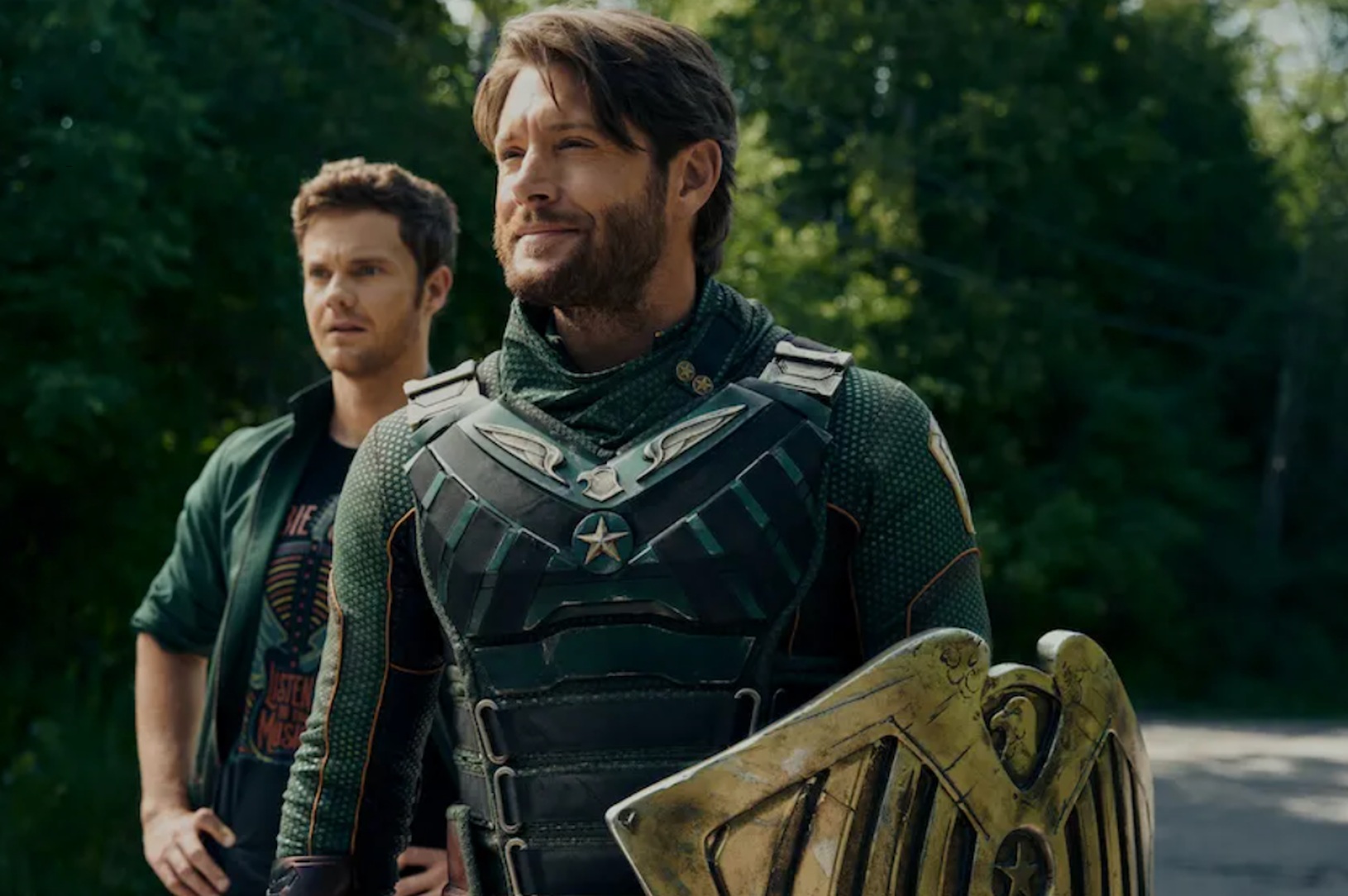
That simplicity matches the show’s original purpose. The Boys never aimed to outdo the largest superhero franchises in spectacle. It has always cared about what power does to people. In this final clash, Homelander’s branding collapses. Kimiko’s blast strips away his invulnerability. The god becomes a man—aging, terrified, and begging for mercy on the same television cameras he once controlled.
One could argue that leaving Homelander alive—powerless and despised—would have been a darker, more ironic fate. The series opts for a more direct punishment. It is blunt, but consistent. The point is not the method of death; it is the exposure. His “divinity” was always a performance. Once the system fractures, it no longer shields him.
If Homelander’s death were the final note, the show would conclude on a clean victory. It refuses that neatness. Instead, it turns to the character who has driven the story for years: Billy Butcher.
Butcher’s hatred of supes has always been deep and absolute. Homelander was the perfect outlet for it. Once Homelander is gone, the obsession does not disappear; it calcifies. Rejected by Ryan and hollowed out by grief, Butcher arrives at the conclusion the season has been circling. To end the cycle of abuse and god-making, supes must be erased.
Here, the virus returns to the foreground. It stops being a shared ethical problem and becomes Butcher’s blueprint for collapse. He is not merely trying to prevent another Homelander. He is embracing annihilation as a form of mercy. In his mind, “supe” is the disease.
The show does not reduce him to a cartoon villain. His love for Hughie, and his grief for Becca and Lenny, still break through. That humanity makes the final confrontation more painful. The showdown between Hughie and Butcher is not primarily a brawl; it is an ethical argument about what kind of future is worth fighting for.
Hughie, tougher but still compassionate, chooses a smaller vision. You save who you can. You refuse genocide, even when it appears efficient. You accept that the world will always contain danger. Butcher sees only the long trail of pain and insists that anything less than total erasure guarantees new monsters.
Butcher’s final weakness is affection. He cannot fully harm the one person he has come closest to treating like family. That hesitation gives Hughie the opening he needs. Hughie kills him. The ending is not triumphant; it is tragic. Butcher dies as a man who never managed to choose humanity over vengeance, even when he could still feel it.
With Homelander and Butcher gone, the show allows a brief softness. Survivors imagine lives beyond constant crisis, even as the larger world remains unstable.
Mother’s Milk reunites with his family and takes Ryan in as an adopted son. It is a quiet answer to one of the show’s recurring questions: how do you break generational trauma? MM’s home becomes a small model of that answer. Ryan can grow up without being told he is a god.
Kimiko, shaped and scarred by violence, steps into the modest life she once envisioned with Frenchie. She gets her dog and a quieter refuge in Europe. The peace is genuine, but it carries absence.
Hughie and Starlight open a small A/V store. It is a deliberately mundane choice. It signals a desire for a world in which heroism is not entertainment content, and helping people can happen on a human scale. Annie continues to work as a hero, but on her own terms, without Vought’s machinery.
On a systemic level, the show refuses easy closure. Vought is wounded, not destroyed. Stan Edgar returns to influence, as pragmatists often do. Soldier Boy remains on ice, a reminder that the worst elements of history are rarely gone for good. The world is safer without Homelander. It is not just.
This unresolved ending suits the series. The Boys has always argued that monsters are manufactured by structures. Kill one tyrant and another can be marketed in his place. The finale does not pretend that eliminating a single villain dismantles the system that built him.
The Boys Season 5 is the show at its most intense. The world is harsher. The violence is more suffocating. The political parallels are less veiled. The dread rarely relents. When the season concentrates on Homelander’s fall and the final rupture between Butcher and Hughie, it achieves the emotional clarity that defined the show at its best.
It also stumbles. The virus dilemma never becomes the consistent moral anchor it might have been. The religious satire, while thematically appropriate, is sometimes pushed so forcefully that it loses nuance. The attempt to fold in the wider universe makes sense, but it occasionally diverts attention from the characters who matter most.
Still, the show accomplishes what many genre series fail to do: it ends. Not neatly, and not optimistically, but in a manner consistent with its argument. This story was never only about shock value or mocking superhero tropes. It was about power, systems, and the people twisted or crushed by both.
The season may wander on its way to the finish. When it arrives, it earns its final image: one false god dead, one broken man buried, a brutal machine still humming, and a stubborn handful of survivors choosing—quietly, imperfectly—to save who they can.