




Summary
Stranger Things Season 5 delivers a high-stakes, emotional conclusion to the Hawkins saga. Blending 80s nostalgia with intense supernatural action, the final season explores themes of identity and friendship. While pacing varies, the heartfelt performances and stunning visuals provide a satisfying, definitive goodbye to this beloved modern myth.
Overall
-
Cinematography
-
Plot
-
Acting
Stranger Things Season 5 emerges into a world quite different from when its first season captivated audiences in 2016. This final installment arrives with a slower, more contemplative energy. As the show’s long mythology draws to a close, the episodes choose careful pacing and thoughtful shifts in tone.
The story picks up around eighteen months after Vecna’s devastating attack, and Hawkins has changed in ways that are hard to miss. The landscape, once charming and familiar, now exists beneath layers of military tension and the haunting aftermath of supernatural upheaval. Dr. Kay, played with measured gravitas by Linda Hamilton, oversees a secret facility buried in the heart of the Upside Down. While her team works with the latest technology to seal breaches, several rifts remain unexplained, looming in the background as a reminder that some mysteries can’t be tidied away. This seasonal pivot narrows the show’s setting. As a result, the action is drawn into tighter spaces, but it also gives up some of the town’s old-school charm.
We find familiar places altered almost beyond recognition. The Starcourt Mall is gone, and in its place, a retro radio station managed by Robin and Steve serves as the latest secret base. The main group is fragmented, completing missions that run in parallel. This structure keeps the plot moving but can also make some subplots feel like they’re echoing earlier seasons – especially the ongoing triangle of Steve, Nancy, and Jonathan. Even as the stakes rise, parts of the narrative retreat.
Nostalgia courses heavily throughout these new episodes, sometimes in the background and sometimes taking center stage. The Duffer brothers clearly lean into the neon-lit, synth-infused atmosphere that made the show famous. But the kids are adults now, and their stories are colored by the burden of everything they’ve endured. Eleven’s journey is especially striking. Once a near-silent mystery, she is now a complex young woman, unsure of where her extraordinary abilities end and her true identity begins. Millie Bobby Brown delivers a performance full of emotional conflict. The series, always comfortable with its 1980s roots, now uses nostalgia to explore what is gained and lost in the journey from childhood to adulthood.

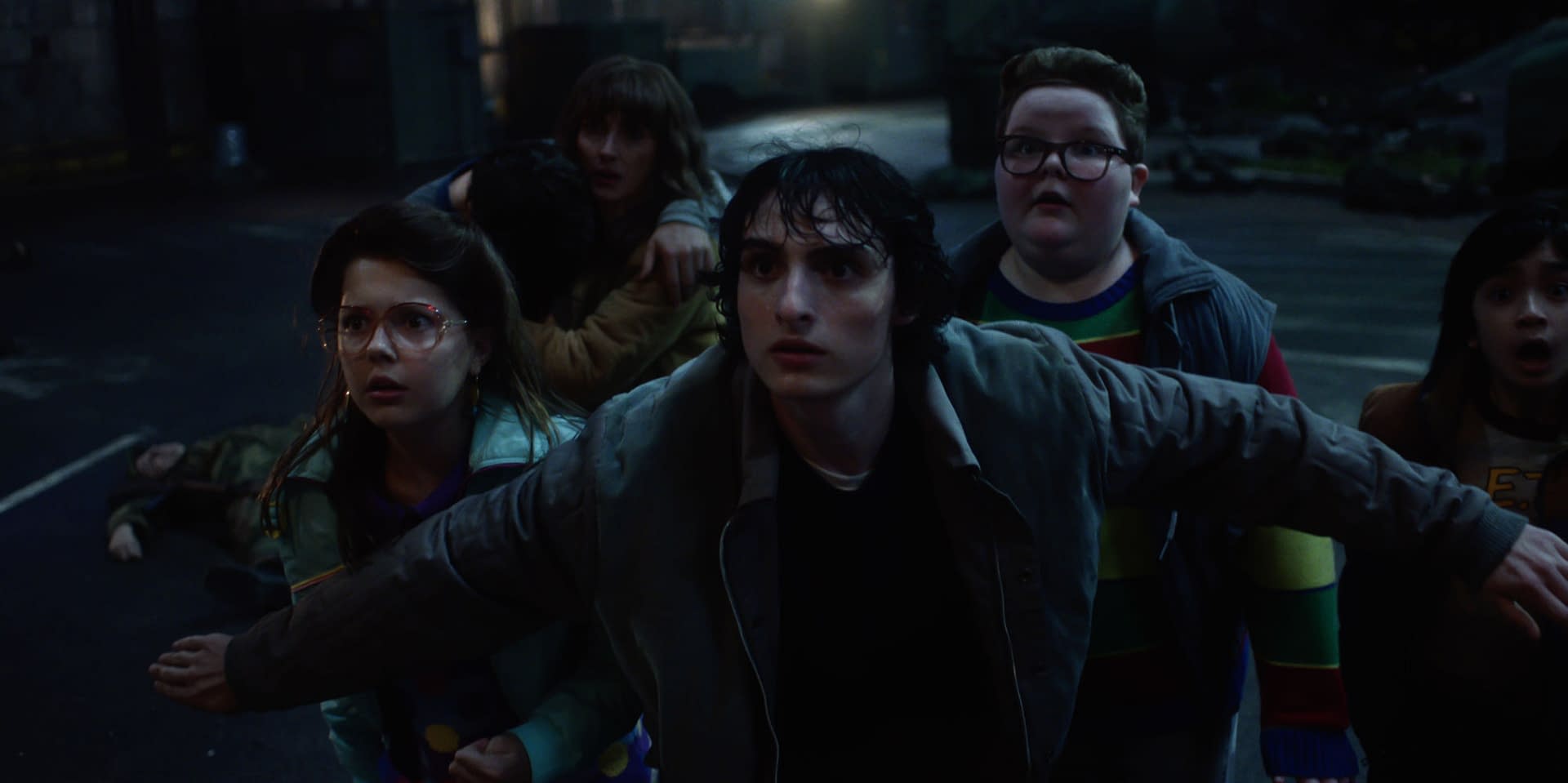
Visually, the series has never looked better. Netflix’s investment is clear in every frame. The haunted spaces of the Upside Down are ripe with chilling beauty: grotesque flora emerging from the shadows, endless tunnels twisting through the dark, ominous movements just outside the corners of safety. Hopper and Eleven’s efforts to track Vecna bring these unsettling vistas to the forefront, making the threat tangible and close. Yet, at times, the elaborate worldbuilding grows so dense that the season risks spectacle over substance.
The real emotional impact lands in the quieter storylines. Will Byers’ narrative is a standout. His long struggle for identity finds a new level of quiet power here. Will’s relationship with Robin, the show’s other significant queer character, is handled with a gentle authenticity. Their scenes together offer something rare: honest reflection amid chaos, the kind that briefly holds the series above its own ambitious plot machinery. It’s through these conversations that the show reaches beyond genre conventions, offering viewers a reminder of what made the early years so compelling.
Fresh faces also arrive amid the familiar chaos, most notably Holly Wheeler and Derek Turnbow. Holly’s arc brings a sense of wonder that feels borrowed from children’s fantasy. Derek, meanwhile, offers a dose of awkward bravado reminiscent of Dustin’s early energy. Their presence signals a quiet return to the series’ roots. Even as these characters light up the screen, there’s a sense that the ensemble cast can no longer fully shoulder the series’ narrative weight, and the creative team leans perhaps too much on old tricks rather than forging new paths.
There’s a sense that the ensemble cast can no longer fully shoulder the series’ narrative weight.
Quieter reunions do some of the heaviest lifting. Hopper and Joyce, both battered by loss, navigate a tentative reconnection that feels honest and earned. Eleven’s struggle over her powers gives way to moments of real vulnerability, while Dustin remains the perpetual heart of the group. When characters let their guard down, the series regains a sense of purpose. It’s these grounded exchanges that elevate the season above its most predictable beats.
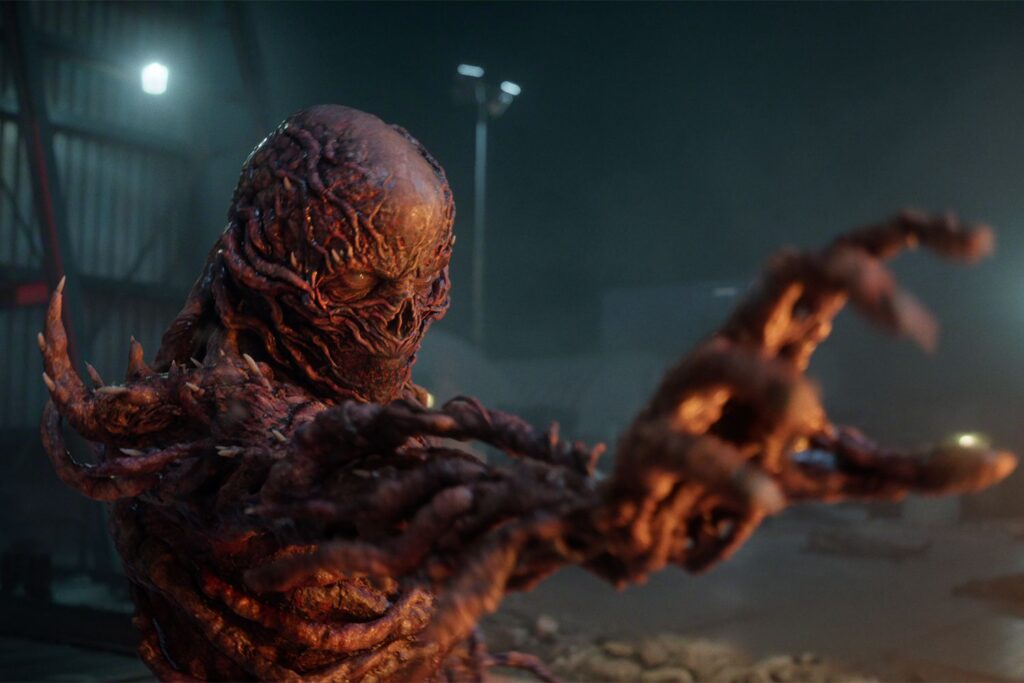
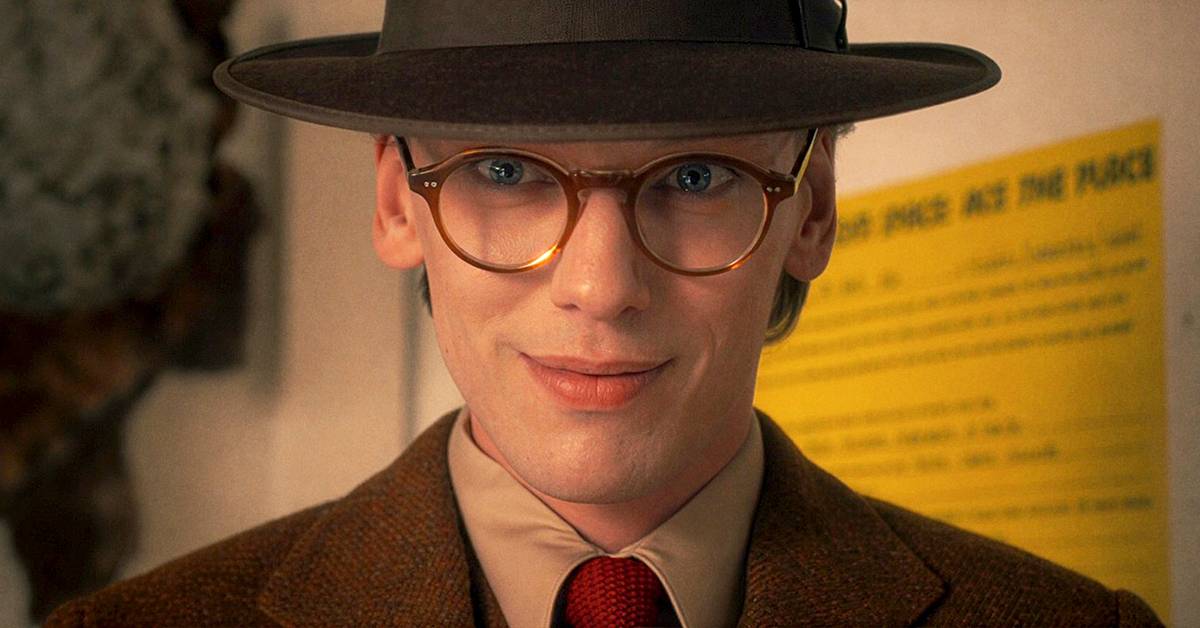
The season further deepens the story’s lore, particularly with the character of Henry Creel (Vecna). Here, Jamie Campbell Bower offers a layered performance, exploring not just external evil but the inner choices that tip characters toward darkness. By refusing to simplify Vecna into a mere monster, the show invites viewers to reflect on the nature of evil as a matter of personal decision and moral ambiguity.

The structure of the season deserves mention. The opening episodes move slowly, heavy with explanations and detailed planning that rob the narrative of some urgency. This early loss of tension contrasts with a later surge in momentum. By the last episodes, the direction tightens and the story gains coherence.
The show’s soundtrack remains a vital thread, weaving Prince, Bowie, and more throughout the narrative. These songs tap directly into the raw nerves of emotion, turning otherwise ordinary scenes into something deeply felt. Occasionally, the reliance on licensed music points to potential problems – future re-watchers may face missing tracks due to rights issues. But for now, the effect is powerful, especially in pivotal scenes where music becomes a character of its own.
As the finale approaches, emotional stakes are brought to the front. Nancy’s brave rescue of Holly and Joyce’s direct confrontation with Vecna reveal the toll that the supernatural battle has taken both psychologically and physically. Notably, the show refuses to indulge in easy character deaths. Instead, it opts for a more restrained victory, honoring the audience’s long-standing emotional investment and letting peace emerge gradually. The series closes with the sense of a hard-fought, well-earned rest.


The centerpiece of the season, as expected, is the renewed confrontation with Vecna. Here, the finale delivers everything the show has promised: nail-biting suspense, nods to the best of ’80s pop culture, and snacks that reek of nostalgia. The visuals reach their zenith in this final showdown. But as much as the spectacle delivers, it sometimes crowds the room needed for genuine character change. Characters run through familiar paces while the promise of new directions is sometimes lost amid the echoes of the past.
The epilogue slows the pace, allowing space for emotional closure. Scenes like Robin’s quiet radio broadcast and a bittersweet graduation paint a portrait of a town at the end of a long struggle. Joyce and Hopper’s engagement at Enzo’s signals a belief in renewal. At the same time, the original friends’ final gathering serves as a tribute, embracing both loss and quiet hope. The emotional resonance is palpable and gives the story its trademark complexity.
The last word belongs to Mike Wheeler, whose closing narration frames the season as a tale about the ways stories can connect, heal, and help people endure the passage of time. His monologue captures the show’s heart: the power of friendship, the need for acceptance, and the bittersweet process of letting go. In his words, the series is confirmed as a modern myth.
The last word belongs to Mike Wheeler, whose closing narration frames the season as a tale about the ways stories can connect, heal, and help people endure the passage of time.
Stranger Things Season 5 is not perfect. At points, it bends under the weight of its own history, repeating motifs out of comfort as much as intent. Yet, in its best moments, it is a graceful goodbye–honest about the pains of growing up and the difficulty of ending a beloved story. What remains is not just an account of the supernatural adventure, but a reflection on connection and change. The invitations to journey once more into the Upside Down may be behind us, but Stranger Things leaves viewers with something important: the courage to face darkness together, the value of looking back even as we move forward, and the realization that endings, while difficult, carry their own kind of beauty.