




Summary
Battlefield 6 blends large-scale spectacle with thoughtful tactics, delivering grounded gunplay, balanced vehicles, and deep multiplayer modes. Though its campaign is thin and progression slow, dynamic maps and team coordination create a tense, rewarding shooter.
Overall
-
Gameplay
-
Visuals
-
Storyline
Battlefield 6 steps forward into the world of first-person shooters with a studied confidence earned from balancing classic roots and modern expectations. The game’s arrival signals more than just another entry in a storied franchise—it represents a carefully tuned fusion of explosive, all-out war and quiet, layered tactics. The game combines breakneck action with a subtle current of patience. The result is a multiplayer experience that is both fierce and reflective, where the thunder of combat is matched by the hush of tactical planning.
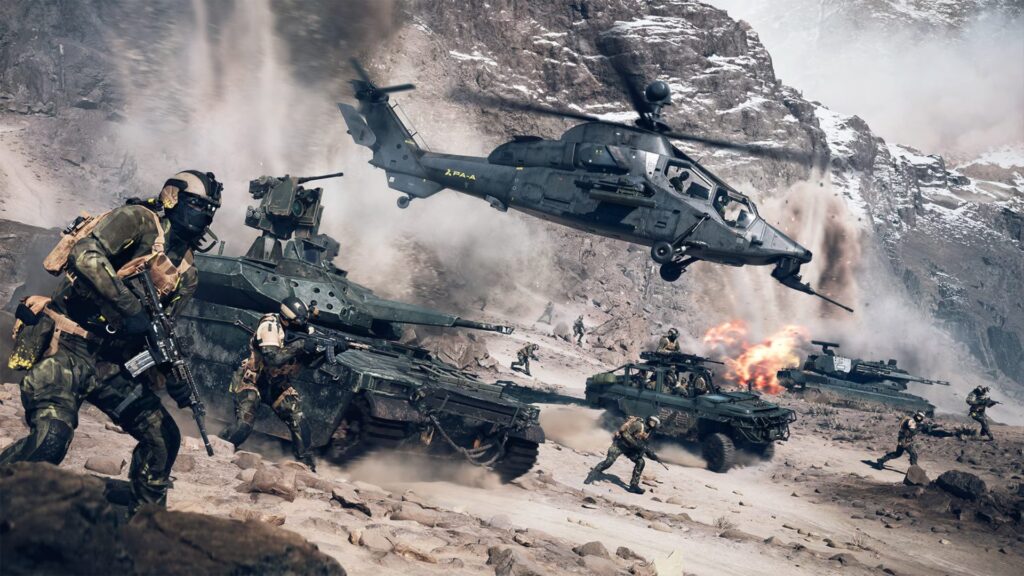
As the game begins, there is an immediate sense of scale. Matches open with the familiar rush of armored columns rolling across the landscape, infantry deploying cautiously and the distant thump of artillery shaking the ground. Yet, the spectacle never drowns out the need for coordination. This iteration grounds itself in authenticity, focusing on recognizable modern military combat scenarios. The return to this era, after the divisive futuristic setting of Battlefield 2042, feels deliberate. It’s as if the developers want to remind players that the heart of Battlefield lies in the uncertainty of real, unpredictable conflicts.
The campaign, running parallel to the multiplayer’s grand scale, tells a story set in 2028. Instead of chasing real-world controversy, it focuses on a Marine special forces squad pressed into conflict against the enigmatic PAX Armata. While the narrative hits familiar beats and sometimes leans heavily on action-movie themes, it effectively showcases the key systems that define the multiplayer experience. Rather than offering a deep, standalone plot, the campaign serves as a gentle introduction.

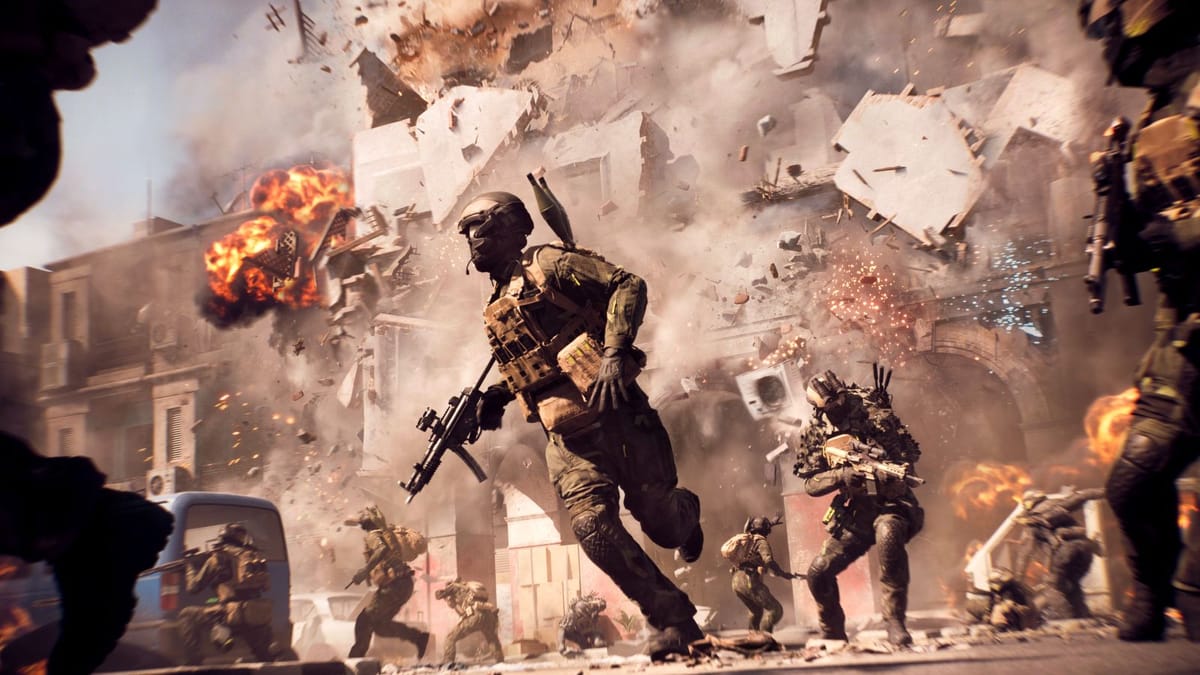
Much of the game’s uncertainty comes alive in the diverse lineup of multiplayer maps. Each is crafted to reward different strategies, offering a range of emotional intensities. Saints Quarter, for instance, packs players into dense urban blocks full of precarious sightlines and high-rise shootouts. You can almost feel the city’s tension rising with every exchanged bullet. In contrast, Operation Firestorm spreads combat across an open, sun-beaten desert littered with the wreckage of past battles, inviting long-range marksmanship and careful use of ground vehicles. Each environment is not just a backdrop but a living factor in how battles unfold. This ongoing rebalancing of the battlefield sets the rhythm for matches. At any moment, a safe stronghold can become a deathtrap, and the path to victory is always uncertain.
At the core of these encounters is a combat system built on nuance. Gunplay feels neither locked in the past nor muolded for pure mass-market simplicity. Instead, it rewards players willing to engage with its subtleties. Each weapon, from reliable assault rifles to slow, hard-hitting bolt-action rifles, has its own rhythm and voice. Bullet trajectories and recoil patterns are modeled with care, leaving room for instinct and improvisation. Even players new to the series will find the gunfights intuitive. In this sense, the game allows both patience and urgency to coexist. Carefully modulated audio—the ping of shell casings, the compressed air of a reload, the sudden crack of distant fire—grounds every engagement in realism and tension.
Of course, one of Battlefield’s enduring strengths is its devotion to vehicle warfare. Here, too, Battlefield 6 tilts toward balance over bombast. Tanks are formidable but not immortal. Aerial combat, with its demand for quick strategic thinking, brings its own kind of tension. Helicopter pilots and fighter jet aces can turn a losing battle with precise strikes—provided they can read the skies and anticipate ground threats. It is not about flashy maneuvers so much as acting ahead of disaster. Whether you are at the turret of a tank or climbing in the cockpit of an attack jet, success means outthinking opponents as much as outshooting them.
It is not about flashy manoeuvres so much as acting ahead of disaster.
This attention to detail also shapes the spine of multiplayer matches. Players choose among Assault, Engineer, Support, and Recon roles. However, Battlefield 6 adds a gentle twist to the old formula. Instead of fencing weapons strictly within classes, most firearms are now cross-compatible, letting players tailor their kits to their intentions. This reflects evolving design ideas around the character class system.
The rhythm of play is marked by a quietly persistent progression system. Unlocks come at a steady pace, sometimes a bit slower than newcomers might wish. Important gadgets like Deploy Beacons and specialised weapon kits often remain locked behind level gates. While some might find this restrictive, the methodical unlocks encourage gradual, thoughtful discovery. Daily and weekly challenges keep engagement high. There is a feeling that mastery here is not about quick wins, but about learning and slowly finding your rhythm through experience points.

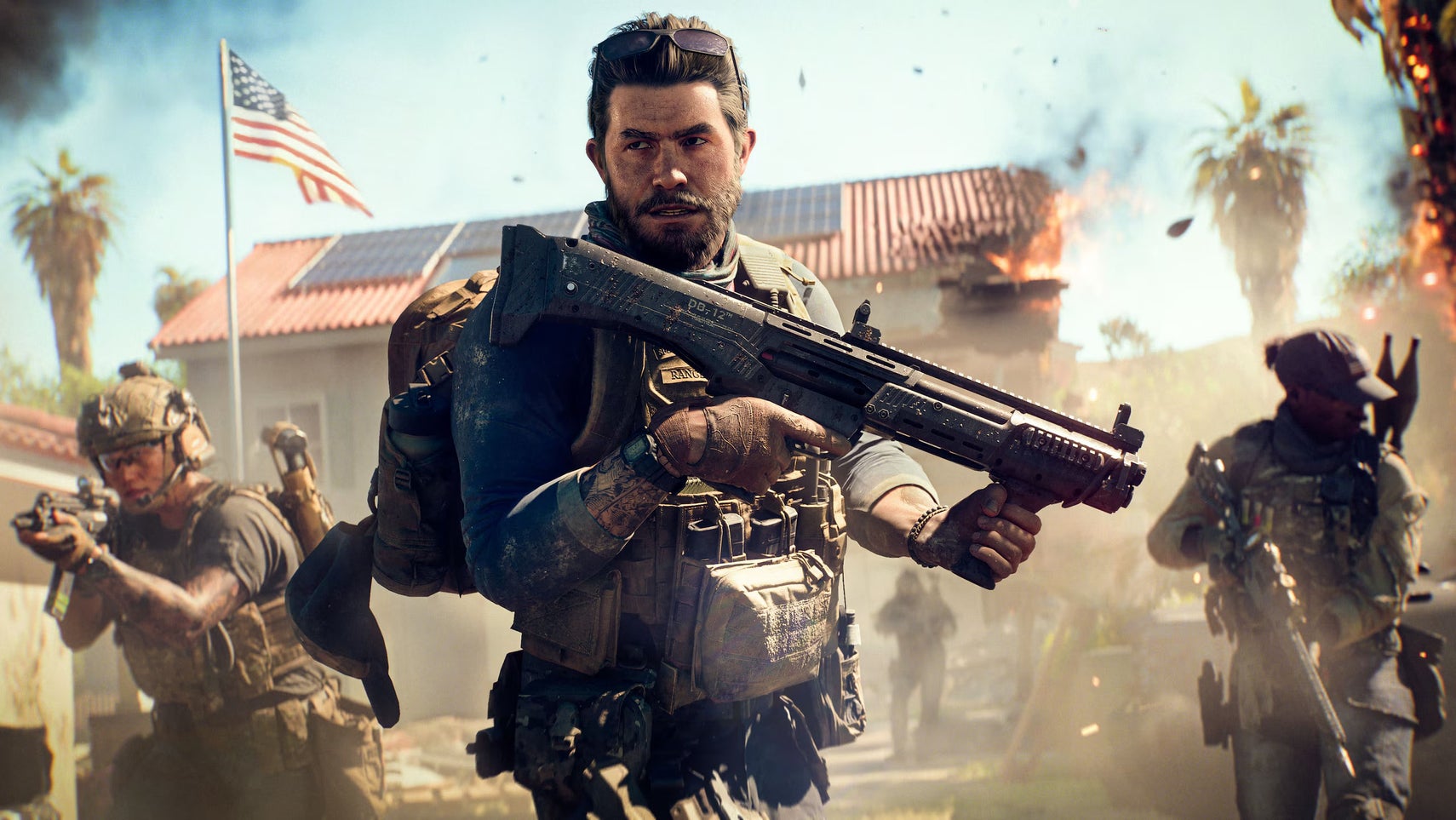
Sound and visual design are perhaps the most overlooked but crucial aspects of this newest instalment. The dance of light and debris as a building collapses, the deafening roar of a passing gunship – every detail builds on the sense that this is a living, unstable world. Music and environmental sounds blend into the action without overwhelming it, elevating the suspense through deliberate sound design.
Alongside the mainstay of Team Deathmatch, the game delivers on the franchise’s signature larger modes. Conquest and Breakthrough transform maps into shifting theatres of war, where every inch of ground can be fought over and every tactical mistake has consequences. In Conquest, teams vie for territorial control across sprawling maps. On the other hand, Breakthrough condenses the action into desperate, layered defences. Rush mode, with its focused, objective-driven missions, tightens the lens and prioritizes teamwork and communication. Finally, the new Escalation mode, with its shrinking zones, adds yet another layer of complexity. There’s a mode here for every appetite, and each comes with its own tempo.
Still, no multiplayer experience is perfect, and Battlefield 6 also has its limitations. The campaign’s story rarely sinks below the surface, lacking the nuance or emotional weight of its best predecessors. A few maps show their rough edges – New Sobek City, for example, draws complaints about excessive land mines that slow the pace and limit some classes’ effectiveness. The unlock progression may frustrate those hoping to customise fully from the outset. These shortcomings, however, are largely balanced by ongoing developer support and a community eager to test, critique, and shape the evolving battlefield.
The campaign’s story rarely sinks below the surface, lacking the nuance or emotional weight of its best predecessors.
Much of Battlefield 6’s lasting appeal comes from the interactions made possible by its scale. Modes teem with large numbers of human players, but the magic is in the way squads coordinate. In total, Battlefield 6 reinvents itself by doubling down on the qualities that made the franchise unique—complex teamwork tactics, evolving environments, the ever-present interplay between raw action and quiet calculation. In an era where so many shooters borrow from the same playbook, it stands out by asking its players for more than twitch reflexes. The game gives equal weight to the moments of boldness and the moments of waiting, the loud and the quiet. It is in this balance that Battlefield 6 finds its strength and proves that the art of war, virtual or otherwise, is as much about thinking as it is about fighting.