





For the first time, three Bangladeshi-origin women are competing across MasterChef’s global franchise in the same year. The presence of Shompa Kabir on MasterChef USA, Sabina Khan, and Anisha Begum on MasterChef UK marks a shift that feels bigger than any single competition. Before 2026, Bangladeshi representation on MasterChef was very low, limited to a handful of contestants. What is happening this year is something entirely different.
For Bangladeshis, food is something we take great pride in. It shapes our culture and passes down memories. Yet for too long, Bangladeshi cuisine has been invisible on the global culinary stage; dismissed, diluted, or quietly folded into someone else’s identity. What these women are doing is reversing that obscurity, one dish at a time.
Shompa Kabir
Shompa Kabir is a New York-based content creator and entrepreneur. After years of building a loyal audience online, she made the leap from filming recipes on her smartphone to competing on MasterChef: Global Gauntlet. The leap was not a small one. It meant standing in front of Gordon Ramsay with a plate of Basmati rice, Halibut bhuna, and daal; food rooted in the fishing village in Bangladesh where she grew up, and trusting that it was enough.

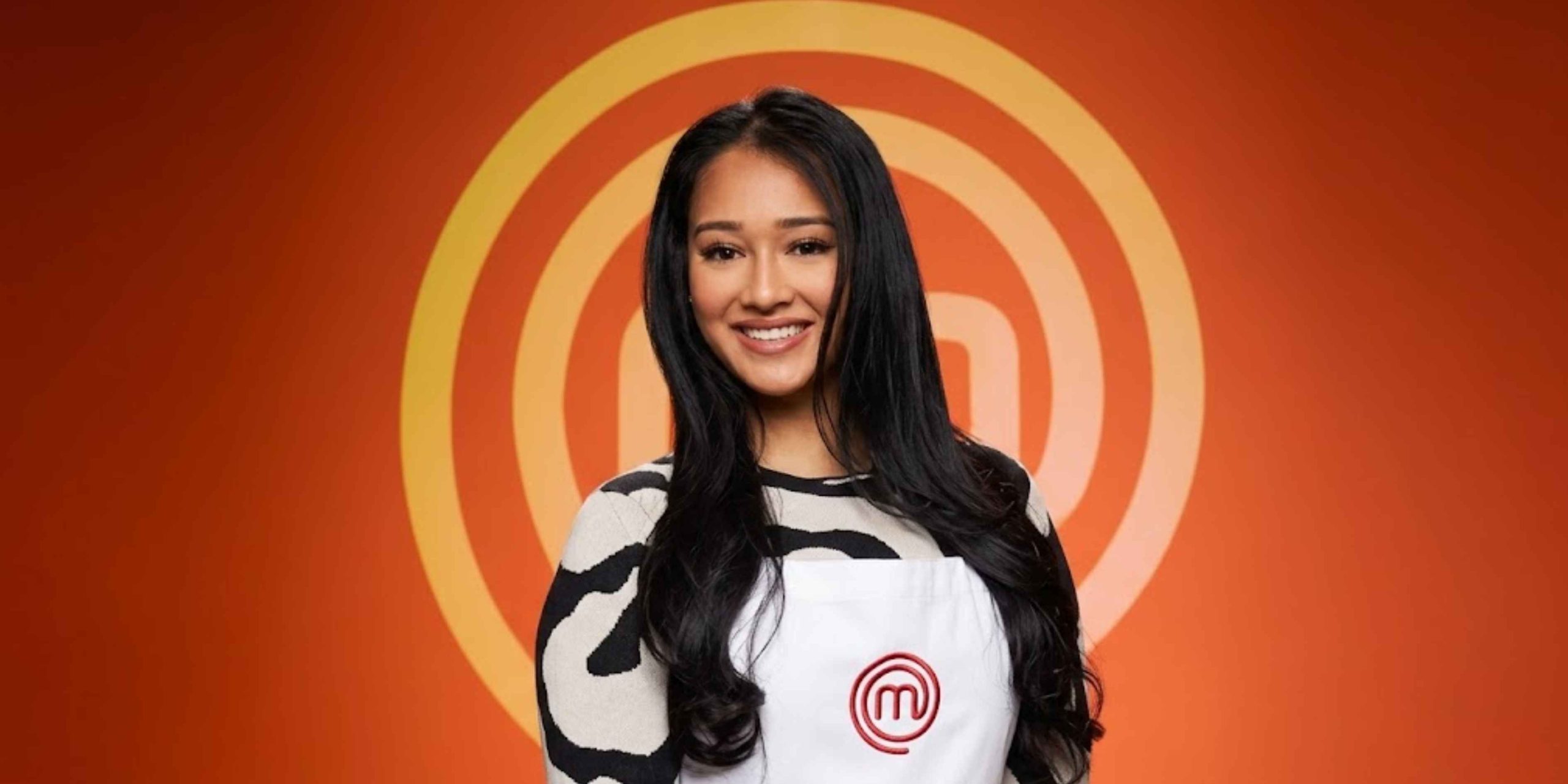
It was more than enough. The judges praised her unanimously. Ramsay, not known for easy compliments, called the dish “elegant”; the kind of word usually reserved for French technique or Japanese precision, not a coastal Bangladeshi home kitchen. That rethinking is exactly why Bangladeshi representation is so crucial for international stages.
Sabina Khan
The woman behind the popular Instagram page “Sabina’s Flavour Lab”, Sabina Khan’s journey on MasterChef UK carries the weight of a dream unfulfilled. Sixteen years ago, she withdrew from the competition because of her pregnancy. Now, supported by those same children, she has come back to finish what she started.
Born in Bangladesh and shaped by experiences across India, the United States, and the UK, Sabina describes herself as a “global flavour explorer.” Her cooking draws on bold, immersive flavours that move across cultural boundaries, inspired by her mother’s kitchen and decades of restless curiosity.


In the opening round, she brought peyaju to the judges; the beloved Bangladeshi lentil and onion fritter. It’s the kind of thing you eat at a roadside stall during a monsoon afternoon, not what you typically see on MasterChef. One judge called them “bullets of joy.” That phrase is worth reflecting on. These are dishes we grew up eating without ceremony, and here they are, captivating judges on MasterChef.
She has since reached the semi-finals, presenting a “Harmony Salad” that combined falafel, kala chana, quail eggs, mustard oil dressing, pickled beetroot, and muri (puffed rice) on a single plate. Beyond the competition, Sabina hopes to publish a cookbook, create a culinary series, and champion Bangladeshi women who have yet to see their own cooking as something worth sharing with the world.
Anisha Begum
Anisha Begum is the other standout Bangladeshi-origin contestant on MasterChef UK 2026, reaching the quarter-finals of the competition. Although professionally a digital engineer, the 26-year-old joined the show driven by her deep passion for cooking.
Currently living in Enfield, London, Anisha has built an impressive engineering career, contributing to huge projects like the Everton stadium. Despite her demanding profession, she remained heavily involved in cooking and finally chose to pursue it this year by auditioning for MasterChef.


Her cooking style blends British classics with South Asian and East Asian influences. Inspired by recipe books, food creators, global street food, and fine dining restaurants, Anisha enjoys reinventing dishes in her own creative way. Cooking runs in her family; her father previously worked in restaurants, while her mother cooked at home, and Anisha absorbed both approaches. During university, dissatisfaction with local takeaway food pushed her to start cooking for herself. This drove her to cooking and deepened her understanding of flavour, balance, and creativity.
Beyond Beef Wellington
There is something quietly radical about seeing peyaju, daal, fish bhuna, and muri presented to MasterChef judges. These are a part of our everyday lives, not worthy of note for us. The benchmark for MasterChef, in our opinion, was always food like Beef Wellington or Seared Scallops: technically demanding, visually dramatic, European. What Shompa, Sabina, and Anisha are arguing, through their cooking, is that a peyaju made well is just as worthy of that room. That argument is long overdue.
An identity we rarely get to claim
Globally, Bangladesh is renowned for readymade garments. We rarely get to define ourselves on our own terms. Bangladeshi restaurant owners in the UK routinely advertise their food as “Indian” because “Bangladeshi” does not yet carry the same commercial currency. That is not just a business decision; it is a symptom of how invisible our culinary identity has been made to feel, including to ourselves.
Bangladeshi restaurant owners in the UK routinely advertise their food as “Indian” because “Bangladeshi” does not yet carry the same commercial currency.
Cuisine is a significant part of a person and their culture’s identity. Ours carries a long history and rich legacy. These three women are showing that to the world and, perhaps more importantly, they are showing it to us.
What they are up against
Standing out in a lineup of global cuisines is, needless to say, extremely hard. When every contestant brings a distinct culinary identity, the pressure is not just to cook well but to cook in a way that is legible to judges who may never have eaten your food before. Sabina introducing peyaju to a panel unfamiliar with it carries a different kind of risk than presenting a dish the judges know. The stakes are higher, because the margin for misunderstanding is too.
There is also the balance between authenticity and innovation that every one of them must navigate. Their Bangladeshi roots give them a strong foundation, but competition often rewards reinterpretation, flavours that feel original and surprising at the same time. And beyond the kitchen, they carry the weight of the hopes of people back home. That is not a small thing to carry into such a heated competition.
A New Chapter
Bangladeshi food has always been this good. The issue never was quality; it was visibility. Together, Sabina Khan, Anisha Begum, and Shompa Kabir represent a new wave of Bangladeshi voices on the global culinary stage, each bringing a distinct background but a shared cultural foundation. Through MasterChef UK and MasterChef USA, they are not only competing for titles but also reshaping how Bangladeshi cuisine is seen and understood internationally.
Bangladeshi food is no longer confined to home kitchens or local tables. It is finding its place in a global conversation, and these women are proudly leading that shift.