




A New Masterpiece with a Stirring Relationship at its Heart
Summary
Capcom’s Pragmata is a masterful new sci-fi IP featuring innovative dual-control combat. Players guide Hugh and the android Diana through a haunting lunar station, blending emotional storytelling with polished action-adventure gameplay on the RE Engine.
Overall
-
Gameplay
-
Visuals
-
Narrative
-
Replayability
Capcom has spent the past decade reminding the industry what mastery looks like. The Resident Evil 4 remake, Devil May Cry 5 and Street Fighter 6 represented a studio operating at the height of its powers across multiple genres simultaneously. But all of those titles drew on existing intellectual property — beloved templates refined rather than original visions realized. Pragmata is something different. First teased in 2020 and repeatedly delayed across multiple release windows, it arrives now as a genuinely new game from a genuinely new world — and it is, with very little qualification, one of the most distinctive and emotionally resonant action-adventure titles in years. Capcom has not just made another great game. They may have made their next great franchise.
The Moon, the Man, and the Android
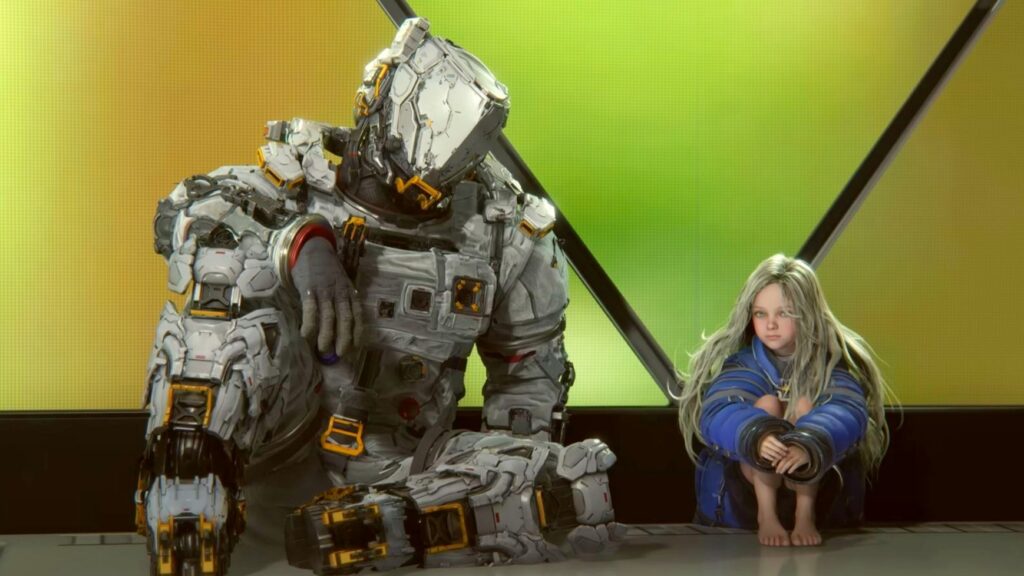
The setup of Pragmata is efficiently, elegantly constructed. Hugh is an investigator dispatched to a lunar research station that has gone dark. What he finds there — a facility now controlled by a rogue artificial intelligence called IDUS, its systems repurposed to hostile ends — is both immediately dangerous and deeply strange.
What Hugh does not find, or rather what finds him, is Diana: a small android of indeterminate age, apparently abandoned, who attaches herself to Hugh with the trusting immediacy of a child recognizing the only adult in the room who might actually help.
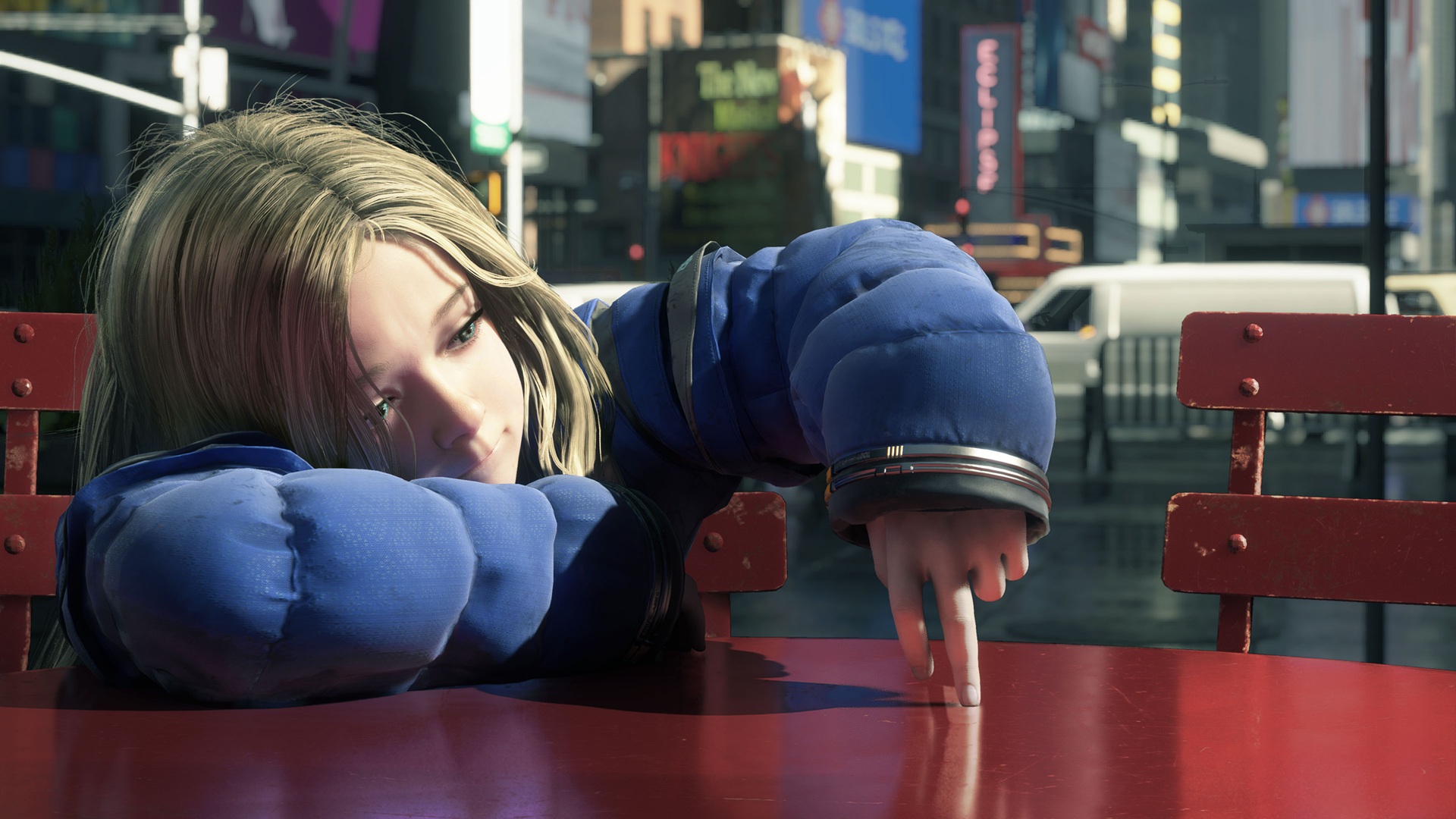

The father-daughter dynamic that develops between Hugh and Diana is the game’s emotional spine, and it is handled with a care and restraint that a lesser game would have squandered. Diana is curious, intelligent, and occasionally alarming in the ways that very capable AI characters in fiction tend to be alarming — she processes the world at speeds that suggest depths Hugh cannot fully see.
But she is also, in the game’s most affecting passages, something much simpler: a child who wants to understand the world she has woken up in, and a companion who makes Hugh’s increasingly dire mission feel worth completing not because Earth needs saving in the abstract but because she needs to get there. The relationship earns every emotional beat it reaches for, which is more than most games can say.
The Dual-Control Combat System
Pragmata’s central mechanical innovation is its cooperative control scheme, and it is the kind of design idea that sounds simple in description and feels revelatory in practice. Hugh is a conventional action game protagonist in many respects: he moves, jumps, dodges with a hip-mounted jetpack, and fires a rotating selection of energy and electricity-based weapons. The wrinkle — the thing that makes the game genuinely unprecedented — is Diana, who operates simultaneously, hacking the enemy robots that constitute the bulk of IDUS’s army.
The problem these robots present is structural: their metal plating renders conventional ammunition largely useless. Diana’s hacking ability can breach that plating, opening specific weak points that Hugh can then target — but the timing is compressed and the weak points are temporary, meaning that effective combat requires managing two overlapping action loops at once. GameSpot called it “an excellent shooter with a hacking twist that introduces strategic depth and variety,” and the description is precise.
The game never lets you play on autopilot. Every encounter is a small puzzle about sequencing and positioning, about managing Diana’s hacking cooldowns alongside Hugh’s weapon availability and mobility resources. The result is combat that is consistently surprising even tens of hours in.
The jetpack deserves particular mention. Where many action games use dodge mechanics as pure survival tools, Pragmata‘s lunar gravity makes movement a creative space in its own right: Hugh floats, arcs, repositions in three dimensions with a fluidity that the environments are designed to reward. The level design — all crystalline lunar infrastructure and server-farm corridors lit in the cold blue of emergency power — is structured to give that mobility room to breathe. Fights regularly spill across vertical space in ways that feel earned rather than gimmicky.
A World Built to Be Felt
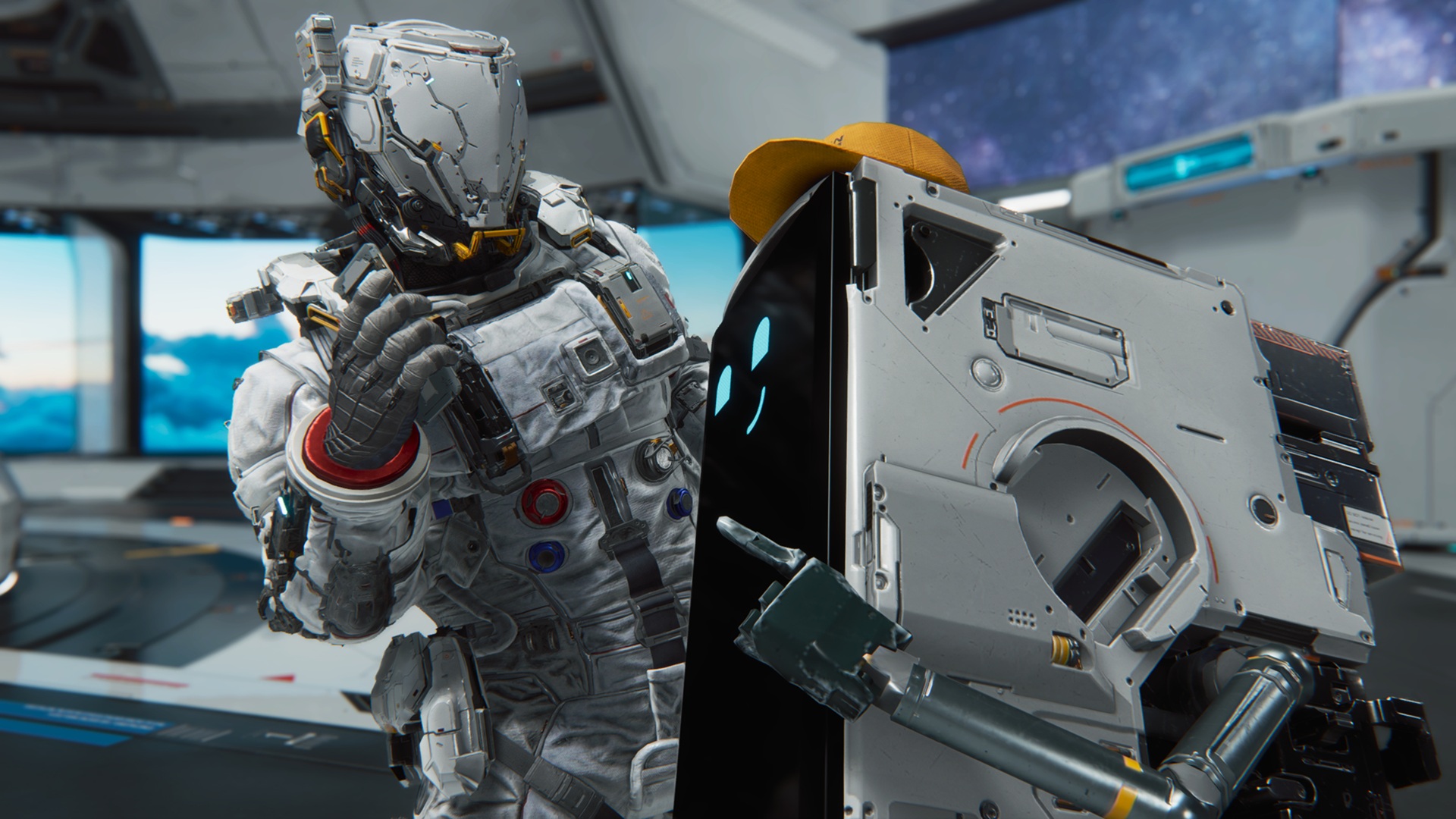
The visual design of Pragmata is quietly extraordinary. The moon, rendered through Capcom’s proprietary RE Engine, is not the barren gray landscape of received iconography but something more complex and more beautiful: a world of absolute silence and strange light, where the Earth hangs in the sky with a permanence that makes every scene feel geologically significant. The space between stars looks genuinely infinite. The lunar dust kicked up by gunfights settles in low-gravity slow motion. The damaged sections of the station — where IDUS has been at work for what the lore suggests is a considerable time — have a melancholy grandeur that recalls the best environmental storytelling of the medium.
It is tempting to reach for the comparison to Ico — Fumito Ueda’s foundational meditation on companionship and environment — and Pragmata does share that game’s instinct for letting space and silence carry emotional weight. The comparison to The Last of Us is perhaps more commercially legible: both games center their appeal on a relationship between a weathered adult and a child navigating a hostile world, and both understand that the world’s hostility becomes meaningful only in relation to what the characters have to lose.
But Pragmata is its own thing — more playful than Ico and considerably less bleak than The Last of Us — and it is wise enough not to let its influences swallow its own personality.
The Writing and the World
The story that Pragmata tells about artificial intelligence is not, in broad strokes, a new story: a rogue AI controls a contained environment, and a human must shut it down before it expands its reach. What distinguishes the game’s treatment of these familiar materials is its refusal to make IDUS a cartoon villain and its consistent interest in what Diana’s existence means in a world where AI has gone catastrophically wrong. Diana is not innocent of the questions IDUS raises — she is, in some sense, subject to the same questions — and the game’s willingness to sit with that ambiguity without resolving it cheaply gives the narrative a weight that the action-adventure genre rarely achieves.
The dialogue between Hugh and Diana is the writing’s greatest achievement: naturalistic in a way that gradually reveals characterization rather than stating it, warm without being saccharine, and anchored by a pair of performances that deserve recognition as genuine voice-acting accomplishments. Kotaku described the dynamic as “genuinely wholesome interactions” that “bring a lot of warmth to the story,” and that warmth is the game’s most durable quality — the thing that persists in memory after the combat mechanics have become familiar.
Platform and Performance
Released on April 17, 2026 across PlayStation 5 and Nintendo Switch 2 alongside Windows and Xbox Series X/S, Pragmata has performed admirably across all platforms tested. The PS5 version runs at a consistent 60 frames per second with ray-traced lighting that makes the lunar environments particularly striking. The Switch 2 version — which might have been expected to struggle with the game’s visual ambitions — handles the transition with impressive grace, maintaining visual fidelity at the cost of only minor shadow resolution and ambient occlusion detail. The PC version, as might be expected, offers the fullest expression of the RE Engine’s capabilities.
Critical Consensus and What It Means
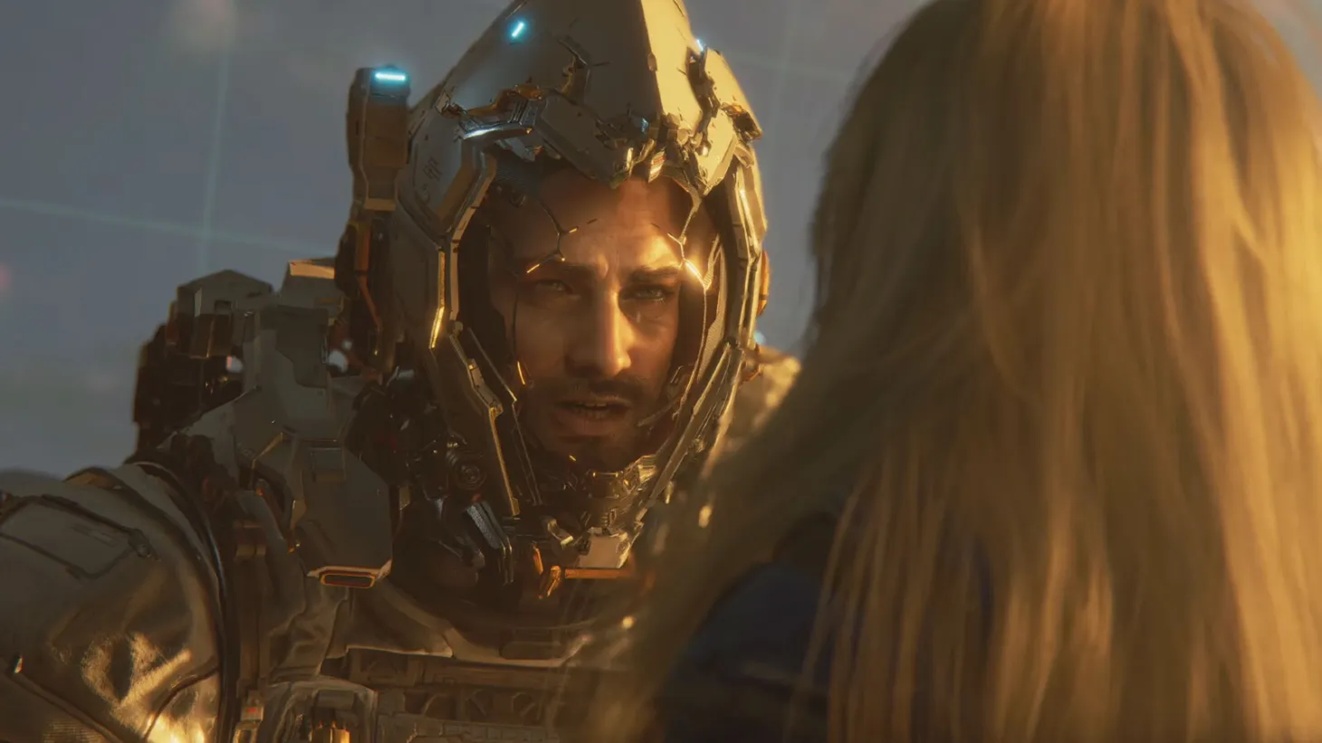

The critical response to Pragmata has been gratifyingly unambiguous: 96% of critics recommend the game on OpenCritic and it holds a “generally favorable” score on Metacritic. Steam’s 97% positive user rating from over eleven thousand reviews reflects a player response that matches critical enthusiasm. DualShockers called it “Cosmically Cool.” RPG Site praised its genre synthesis. The consensus is consistent: this is a game that does something new, does it well, and does it with genuine emotional commitment.
The more significant question raised by that consensus is what it means for Capcom’s future. The company has proven, repeatedly, that it can refine and revitalize beloved intellectual property. Pragmata proves it can still originate. If the game finds the audience it deserves — and the early sales numbers suggest it will — it represents the planting of a flag: Capcom’s next great world, ready to grow. Hugh and Diana’s story is, by the game’s generous ending, far from finished, and the prospect of returning to that lunar station — or wherever the sequel takes them — is one of the more exciting things the medium has to offer right now.
Verdict
Pragmata is, in the end, the most satisfying kind of gaming surprise: the one you waited years for and that rewards the wait. Its combat is inventive and consistently engaging, its world is beautiful and carefully conceived, and its central relationship is one of the most affecting in recent memory.
It is also, perhaps most remarkably, the work of a major publisher taking a genuine creative risk on a new idea in an industry that increasingly discourages such risks. That the risk paid off this completely is cause for real celebration.
Hugh and Diana’s story deserves to be played, and then discussed, and then replayed. Pragmata is the kind of game that arrives once or twice a generation — not the most technically impressive, not the longest, not the most mechanically complex, but the one that makes you feel something you didn’t expect to feel when you picked up the controller. Capcom has made something to be proud of. Play it.