


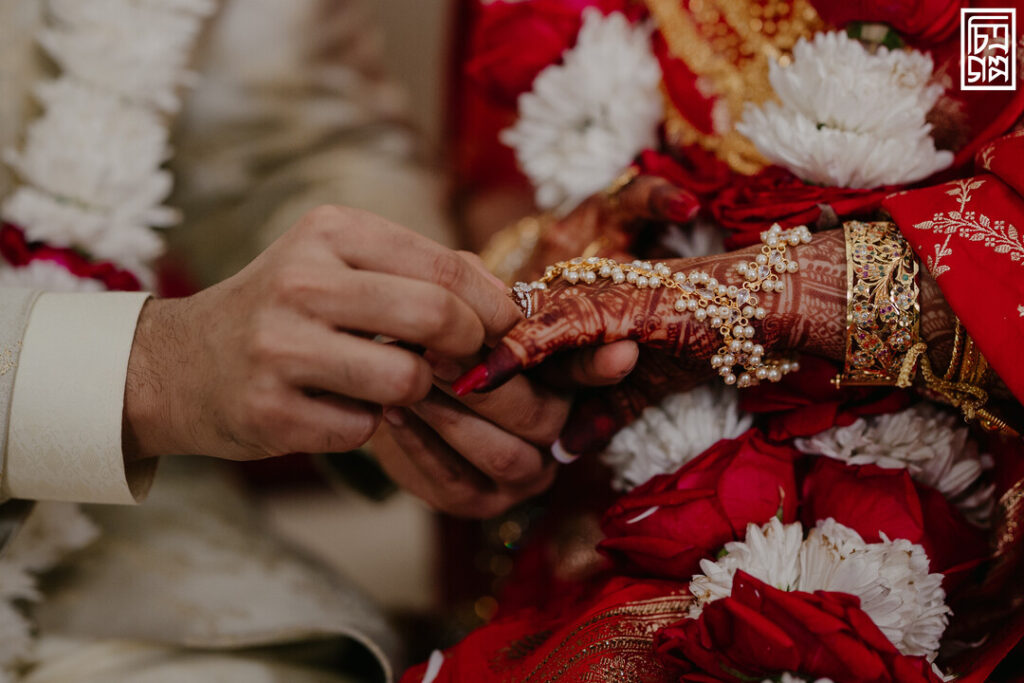


Almost every woman I know has some form of wedding fantasy. These dreams can range from deciding which designer’s clothes to wear to choosing the perfect makeup artist (MUA) for the big day. I never really gave much thought to wedding fantasies myself—until I started hearing family members lament over their wedding attire mishaps. I vividly recall one of my aunts having an emotional fit because she ended up with a silver brocade sharee, which was apparently all the rage in the late 1990s. In contrast, another aunt still vividly remembers how tacky her sharee was—twenty years after her wedding—and she even takes it out of storage now to rue that regrettable choice. That lingering regret over wedding attire left an indelible mark on me, becoming the only detail about weddings I ever felt compelled to obsess over as a “Bridezella.”
Little did I know that fate would leave me with very little wiggle room. I ended up having what I would call a whirlwind wedding—but not in the conventional sense of having only six months to book an MUA or waiting 18 months for a handcrafted sharee from a remote, picturesque hillside town fraught with political conflict. My whirlwind wedding meant that I had exactly one month to plan and arrange everything. And it all began when I told my father about a man I liked—a man I had been seeing for a year.
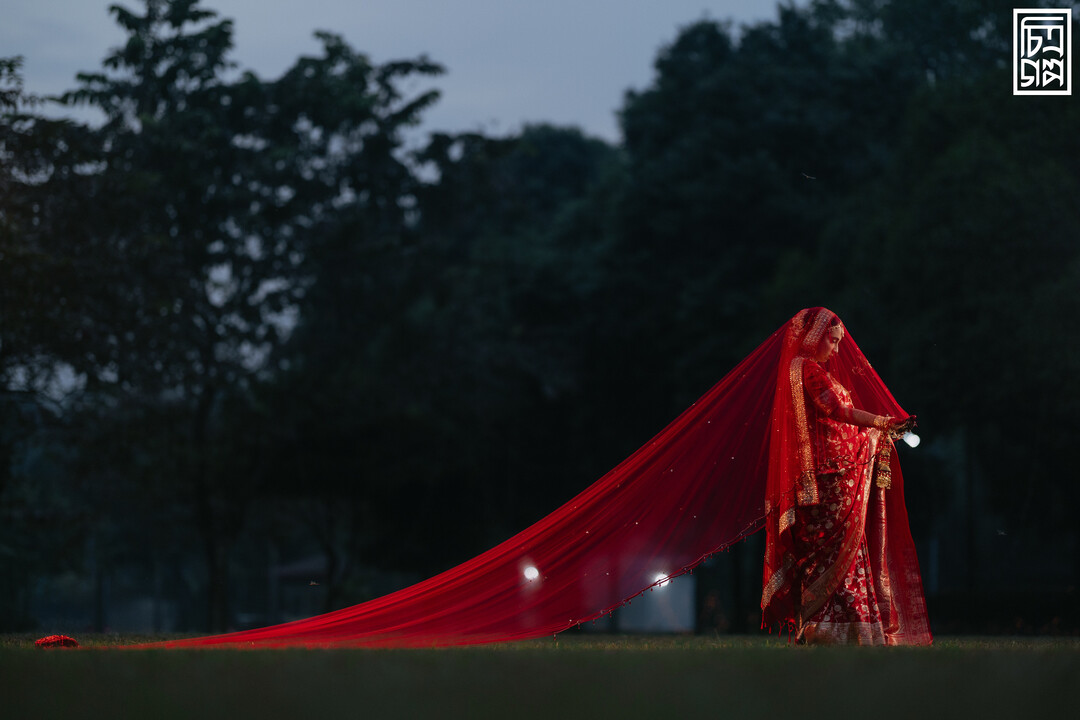

If you had asked me three years ago whether I would have a love marriage, I would have vehemently shaken my head and said no. I have never been the most romantic person, and my idea of a love story was limited to the sugar-coated, fantasy-mongering Bollywood movies of the mid-1990s and early 2000s—the kind of stories that rarely materialize in real life and remain mere figments of a romantic’s imagination. I always knew the difference between reality and fiction, which is why I had mentally opted for an arranged or settled marriage. But life, as we know it, had other plans. Destiny intervened, and as Phil Kaye and Sarah Kay’s poem reminds us, Love is not who you were expecting; love is not who you can predict. It seemed that love was patiently waiting in the corner, and I had no idea I was about to bump into it.
As Phil Kaye and Sarah Kay’s poem reminds us, Love is not who you were expecting; love is not who you can predict.
With a mixture of excitement and trepidation, I shared my newfound feelings with my father. We had that long, heartfelt father–daughter conversation about pursuing this potential match. It was mid-October when I revealed my feelings, and little did I know that within two short months I would be discussing last-minute wedding decorations with my father.
My father—an ex-Army officer with a strong sense of duty—felt it was only natural to do his due diligence. Along with my maternal uncle as his trusty sidekick, he decided to investigate the family background of my boyfriend (now husband). Their mission was to visit his ancestral home and uncover as much family history as possible. They received glowing reviews about his family, which encouraged my father to schedule a one-on-one meeting with the prospective candidate just a week later.
Accompanied by my future “Ukil Baap”—an honorary father figure, as I affectionately call him—my father met the man at his home territory in the Kurmitola Golf Club. Understandably, he was nervous, but he ticked all the boxes during the initial cross-examination. The man did well enough to move on to the next round, and soon enough, the parental meeting was set in motion. That single meeting marked the beginning of a chain reaction that quickly snowballed into full-fledged wedding planning.
At first, the search for a wedding venue seemed to be a dead end. Without a venue, we couldn’t lock in dates, book photographers, or even send out invitations. For almost two weeks, we were stuck in limbo, unable to plan anything concrete. My siblings, who both live in North America, couldn’t book their tickets, and everyone was anxiously waiting for the perfect venue. We explored every possible option until, by sheer luck, someone postponed their event to a different date, and we secured a slot for 21st December 2024. That was our breakthrough.
Working backward from what seemed to be the tightest deadline in the history of wedding planning, we set the wheels in motion. We began with the wedding trousseau—ordering clothes, selecting gifts, and meticulously planning every small detail. Almost every evening after work, my family and I found ourselves immersed in wedding events of one kind or another. In the midst of all this, my ongoing sharee story came back to mind. As obsessive as I have been with the color red, I knew it wouldn’t take long for me to fall in love with the attire of my dreams. (I assure you, dear reader, that my actual love story took much longer to develop than my immediate infatuation with a particular sharee.)
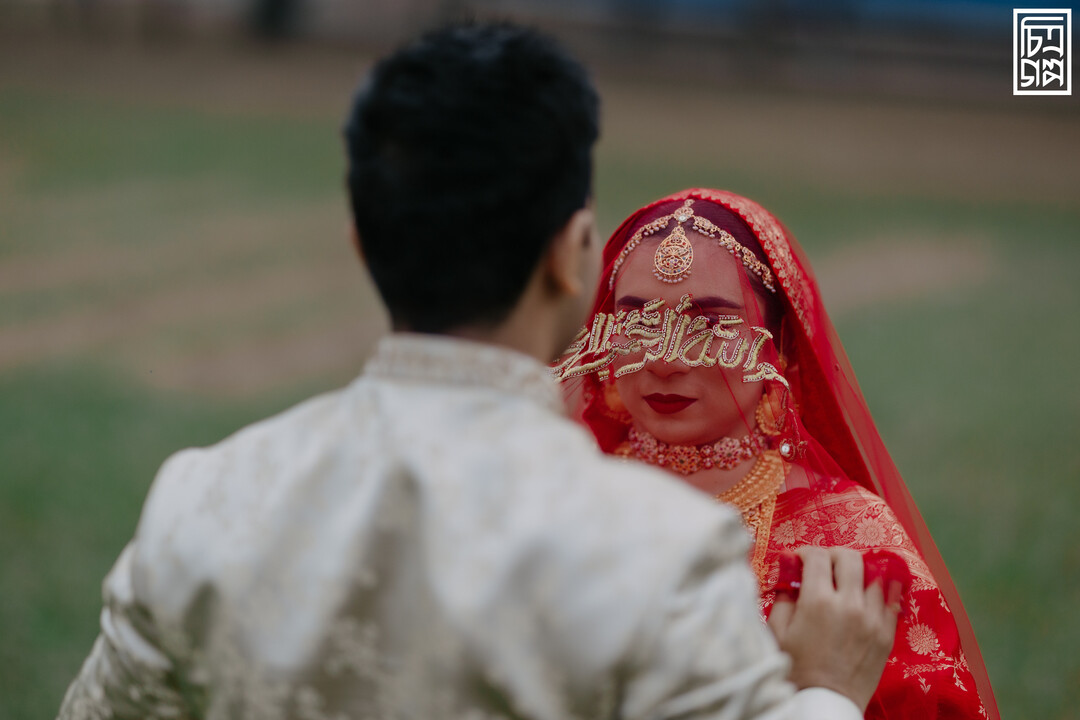
The entire wedding process led me on an unexpected journey of self-discovery. It was a true dive into the unknown. One of the surprises was uncovering my previously undiscovered attraction toward gold jewelry, a love that was intermittent, surfacing only when I encountered people wearing exquisitely fancier pieces at weddings. I had always believed I didn’t want any gold jewelry, but when the opportunity arose, I knew I had to have a custom choker. I fell in love with a design I found on Pinterest, and, as always, my father made it happen.
One of the surprises was uncovering my previously undiscovered attraction toward gold jewelry, a love that was intermittent, surfacing only when I encountered people wearing exquisitely fancier pieces at weddings.
While wedding planning was a series of exciting revelations, it wasn’t without its battles. The search for a reliable MUA was like a battle lost before it even began. Most renowned makeup artists get booked well in advance—almost as soon as the venue is secured. My mother had hoped I would opt for Zahid Khan, just as my sister had done a decade earlier. Of course, that plan never materialized. When I finally got in touch with a well-known MUA, the lady who answered my call informed me, “Apu, all slots get booked six months in advance.”
Thankfully, I managed to secure an appointment with “Glam by Asmita”, a makeup artist conveniently located close to my house. I am grateful that it worked out that way. Asmita was kind, considerate, and very willing to take my wishes into account. I wanted to be the quintessential Bengali bride, and I was determined not to end up with the overdone red cheeks that seem to plague many modern brides. Now, I know I might sound a bit like a mean girl channeling my inner Regina George (from Mean Girls), but I truly believe Bengali brides need to stop seeking inspiration from makeup trends that originated among Pakistanis. They left in 1971, after all—so why emulate makeup styles that seem tailored for models with high cheekbones, towering height, and impossibly pearly white, translucent skin? Each bride is free to choose her own look, but speaking for myself, I must say that copious amounts of red or pink blush can overpower an overall look. As a bride, you want to be the one “wearing makeup,” rather than having the makeup “wear you.” Your overall look should tell a story—a harmonious narrative—rather than being reduced to a single component that glaringly stands out.
Now, I know I might sound a bit like a mean girl channeling my inner Regina George, but I truly believe Bengali brides need to stop seeking inspiration from makeup trends that originated among Pakistanis.
Before anyone comes at me with pitchforks, let me just state: wear whatever you want to look like, but please make sure your wedding photographs do you justice. You could be the most perfect bride in the world—almost worthy of gracing the front pages of Vogue—if the photographer is the right one. On the contrary, choosing the wrong photographer can render even the most carefully curated look ineffective. As a veteran bridesmaid, I have attended my fair share of weddings. I recall one recent wedding of a close friend where a rather well-known photographer failed to capture the magic of an absolutely gorgeous couple. In real life, they complemented each other perfectly, but in the photographs, something was amiss—they looked out of place. It was a lesson learned: the importance of selecting a photographer who can truly tell your story.
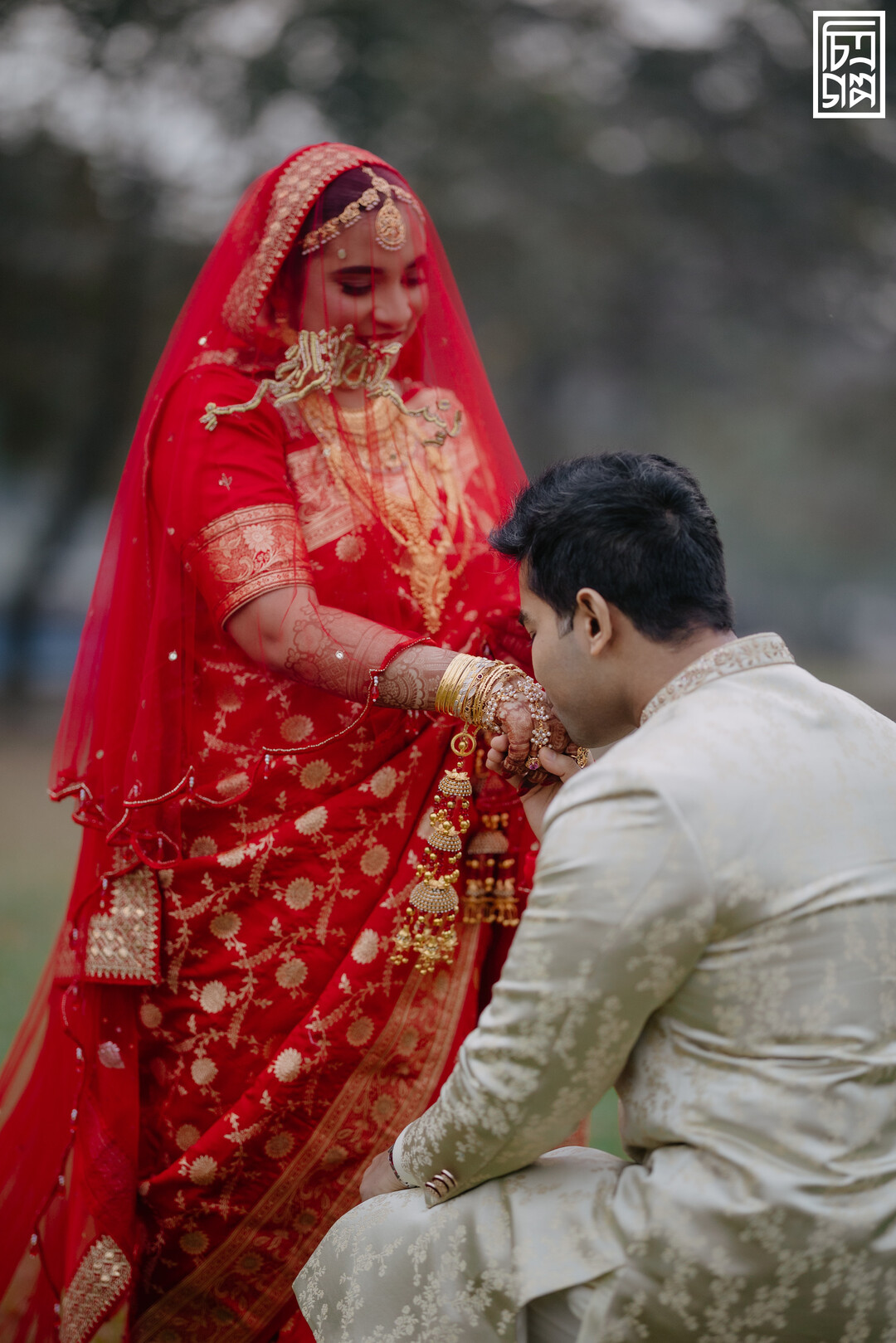

While I wait for the final delivery from my photographer, I am just relieved that we managed to capture enough shots to score some major social media brownie points. The family and extended “aunty” pictures can always come later, and thankfully, I have complete faith in Chitrogolpo to work their magic when the time comes.
Beyond photographers and makeup artists, there is another essential element for a Bengali bride: the mehedi. Now, I should mention that I did not have a Holud function—a celebration where everyone typically goes gaga over dancing and singing. Even though I have participated in multiple events, dancing to my heart’s content as a veteran bridesmaid who could give Katherine Heigl’s character in 27 Dresses a run for her money, I consciously chose to forgo a full-fledged Holud. I simply knew that most people are too busy with their lives to commit to multiple rehearsals, and besides, I hardly had any close friends left on this side of the equator. And when it came to family, well, bribing cousins to give a perfect performance on the wedding day is easier said than done.
Thus, mehedi—the application of intricate henna designs—became my chosen event. Originally envisioned as an intimate affair with just my closest friends and family, the mehedi event quickly ballooned into a massive soiree with extended relatives. Despite the invitation explicitly stating a dress code of pink or white, there was, as always, that one random aunty in a green sharee who ended up stealing the spotlight from the bride. Clearly, someone had missed both the invitation and the memo regarding the dress code!
I had pictured the mehedi as a tasteful and traditional get-together, yet it somehow spiraled into an impromptu Nagin Nagin performance by two middle-aged aunties. For my own mehedi, I decided to play it safe and enlisted the help of the professionals who had worked on my friend’s event. One of my “bucket” items—yes, I had to get a henna tattoo on the back of my neck in the shape of a mandala, the kind you frequently see on Pinterest—was nonnegotiable. When the day of the henna arrived, I explained my wish to one of the artists. Strangely enough, she was scandalized; it appeared that she had assumed I wanted something akin to a full-body tattoo or even a henna blouse. I had to gently remind her, and even cajole a little, that all I wanted was a small, elegant henna tattoo at the nape of my neck. After a brief moment of confusion—and a reminder about the significant cost I was incurring for the mehedi—the artist relented. In the end, the event concluded splendidly, and I now have drool-worthy backless pictures from my honeymoon to serve as a reminder of that beautifully executed detail.
I had pictured the mehedi as a tasteful and traditional get-together, yet it somehow spiraled into an impromptu Nagin Nagin performance by two middle-aged aunties.
The mehedi event marked the beginning of what felt like a three-day wedding marathon on my wedding journey. The next day was the big one, when the die would be cast, and the pen would be put to paper to finalize everything. On the day of the ceremony, I woke up later than intended—no surprises there, given that my brother and brother-in-law had arrived the night before, and I was utterly exhausted from the mehedi’s grueling ordeal of sitting still for hours. Before I knew it, the time for the solemnization had arrived, and I was being called by literally everyone on the planet to get ready for the wedding.
It felt as though the Kazi was right on schedule while I was left dilly-dallying. Finally, I managed to scramble out of bed and rush to my place, clutching the flower curtains that were meant to adorn the entrance. The moment I stepped out, I was overwhelmed by the intensity of every pair of eyes focused on me. I had no idea what was happening, but for a brief moment, a thought crossed my mind: there was absolutely no way I could run away in these heels through such a massive crowd. I even considered retreating to the balcony—but since we live on the fifth floor, that option was quickly dismissed due to obvious logistical issues. So when the Kazi asked for my consent to proceed, I answered hurriedly, without a second thought—much to everyone’s amusement. Apparently, it’s customary for a bride to hesitate just enough to build suspense and make everyone sweat, but no one had ever told me that. Honestly, I was simply hungry and more interested in brunch than in performing a dramatic pause.
After serving as the day’s comic relief, I braced myself for the next morning, when I was once again expected to be the center of the universe. True to form, I was late getting ready at the salon. Thankfully, I managed to arrive just in time for the photoshoot. Alas, winter, as usual, was not kind to me. The overcast skies and chilly air conspired to shroud the sun, robbing me of the chance to have those perfectly sun-kissed, dreamy pictures I had envisioned for my event.
To add insult to injury, my wedding day coincided with none other than Rahat Fateh Ali Khan’s concert. This meant that many of my potential guests chose not to show up, as they were caught up in the excitement of the live performance. I even kept a mental checklist of everyone who didn’t attend, vowing to skip their future events as payback. In some cases, it might be hard to uphold that promise—especially since I had already been the patsy by attending several so-called “friends’ events” in the past. The saddest part, however, was that my best friend was miles away in Canada and could not be there to share in my joy. Even more heartbreaking was the absence of one of my closest childhood friends, who, for reasons that still sting, chose not to attend because she had other priorities. While I respect everyone’s right to make their own choices, I believe it’s only natural to have certain expectations from the people you call friends. Weddings have a way of revealing who truly matters and who does not. Even now, over a month later, I struggle to let go of the bitter feelings of being sidelined. Perhaps that is simply part of growing up and learning what it truly means to be mature.
The guests who did attend were, to say the least, quite interesting. I was thankful not to have encountered any of those “evil kids” who run amok while their parents stare off into space. Instead, I was met with endless rounds of mindless smiling—so many smiles that my jaw eventually went numb. One unexpected silver lining was that the photographers taught me a discreet signal I could use when I wanted to speed up the photography process for guests with whom I’d rather not create lasting memories.
Soon enough, the time came for the bidaai, the farewell ceremony that, for some inexplicable reason, always brings tears to the eyes of everyone present. Growing up, I never truly understood why girls would cry during this event. It seemed inconceivable that a landmark life event such as marriage wouldn’t be a cause for celebration. Yet, as the moment unfolded and my father began speaking emotionally, I found that I could not stop the tears from streaming down my face. Even now, years later, I still tear up when I think back to that poignant moment.
No one truly prepares you for the anxiety that comes from living away from your parents. There is an unspoken ache when you realize you won’t see them every time you open the bedroom door. Everyone—friends, relatives, and even casual acquaintances—offers unsolicited advice on what to wear, how to deal with in-laws, and how to navigate married life. You take all this advice in your stride, but the underlying anxiety and grief of being separated from your parents is a burden that no one ever warns you about. I still feel restless if I haven’t seen my parents for more than two days, a constant reminder of how deeply I miss the comfort of home.
Everyone—friends, relatives, and even casual acquaintances—offers unsolicited advice on what to wear, how to deal with in-laws, and how to navigate married life.
In the end, my wedding was a blend of the typical desi biye-shaadi and moments that were uniquely my own. There were traditions followed to the letter and spontaneous decisions made in the nick of time. After all, marriage is only the preamble to a new life—an exciting chapter filled with both challenges and triumphs. In a world where destiny plays its own hand, here’s to celebrating love marriages and embracing every unexpected twist along the way.
Reflecting on the entire experience, I have come to appreciate the beauty in imperfection. Every misstep, every frantic rush, and every moment of unbridled joy contributed to a day that was entirely, unapologetically mine. I remember sitting with my father late one evening while we were finalizing last-minute details, marveling at how life had suddenly changed course. One moment, I was a pragmatic girl who had set her heart on a traditional arranged marriage; the next, I was a bride caught up in a whirlwind romance and an even whirlwind wedding. The rapid pace of events was overwhelming at times, yet each chaotic moment held its own charm—a story I would one day share with my own children.
The preparations weren’t just about logistics or aesthetics; they were also a journey into understanding my own desires. In the midst of color swatches and fabric samples, and endless consultations with vendors, I discovered that my heart had been quietly yearning for self-expression. I learned that every detail—whether it was the choice of a red sharee (despite my growing fascination with gold) or the insistence on a modest yet beautifully crafted henna tattoo—was a reflection of who I was becoming. I came to realize that a wedding isn’t solely about conforming to age-old traditions; it is about blending tradition with personal flair, creating an event that resonates with one’s soul.
There were also moments of levity that I now cherish. I still chuckle when I think back to the time I almost considered escaping through the balcony during the solemnization because those sky-high heels made every step a small battle. The thought of making a dramatic exit in the middle of the ceremony is absurd now, but at that moment, it seemed like a perfectly rational escape plan. Similarly, the impromptu Nagin Nagin performance by two enthusiastic aunties at the mehedi remains one of the most unforgettable highlights. Their unexpected dance turned what I imagined as a quiet and intimate gathering into a lively, unforgettable spectacle that had everyone laughing and clapping along.
I also found beauty in the little details that might have gone unnoticed by others. The way the soft strains of traditional music blended with the excited chatter of family members created an atmosphere that was both chaotic and comforting. The floral arrangements—carefully curated to complement the overall color scheme—seemed to tell a story of their own, a story of heritage, celebration, and the promise of a new beginning. Every aspect of the wedding, from the intricately designed invitations to the delicate henna patterns adorning my hands, played a part in weaving the narrative of that day.
As the days passed and the final photographs were taken, I began to see the wedding not just as an event but as a collage of memories—each moment captured in time, each smile and tear immortalized in a snapshot. The experience was both exhausting and exhilarating, a testament to the unpredictable nature of love and life. In retrospect, the whirlwind pace of the planning, the last-minute decisions, and even the minor hiccups along the way were all essential ingredients in making the day uniquely mine.
I began to see the wedding not just as an event but as a collage of memories—each moment captured in time, each smile and tear immortalized in a snapshot.
Now, whenever I flip through the album or scroll through my social media feed, I am reminded of the journey—a journey that was as much about falling in love with another person as it was about falling in love with life itself. The wedding taught me that perfection is not a prerequisite for beauty. Instead, it is the imperfections, the unexpected moments, and the genuine emotions that make the memories so precious.
Today, as I stand at the threshold of a new chapter in my life, I often think back on those hectic, beautiful days with a sense of gratitude. The countless hours spent finalizing details, the frantic phone calls, the joyful moments of family reunion—all of these have contributed to a tapestry of experiences that I will cherish forever. My wedding was not just a celebration of love between two people; it was a celebration of life, of family, and of the courage to embrace the unpredictable twists that come our way.
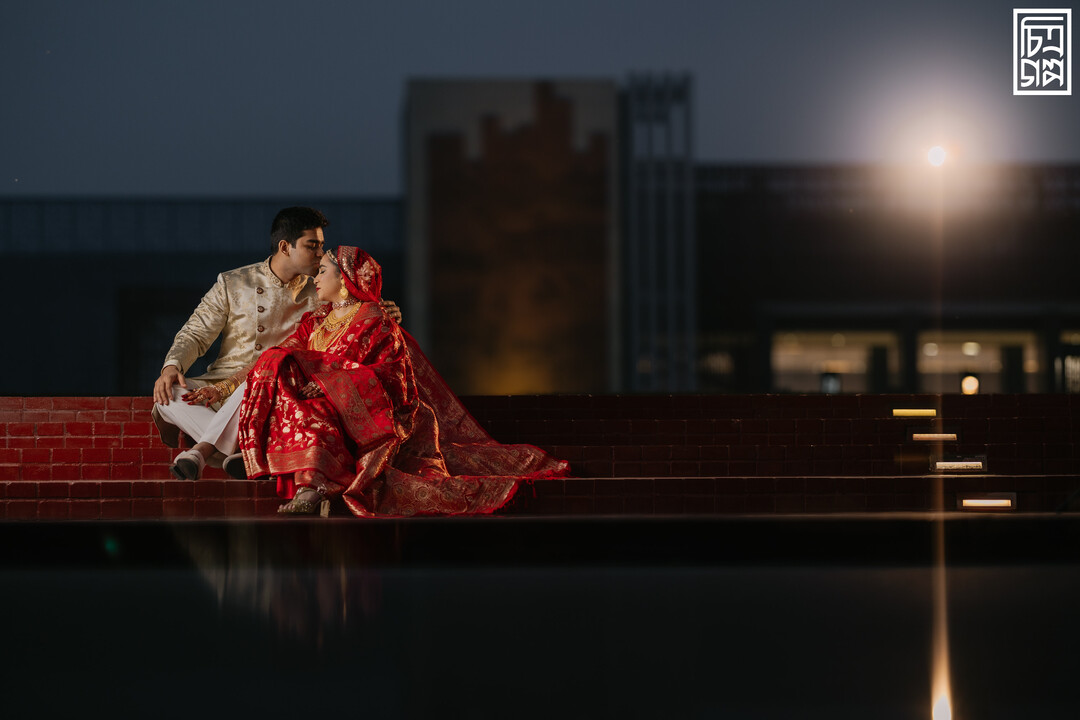
Looking back, I can now appreciate every twist and turn in the process. From the moment I nervously told my father about the man I loved, to the frantic search for the perfect venue, to the humorous mishaps during the ceremony—each episode has contributed to the rich tapestry of my wedding story. I now understand that these experiences, however chaotic, are what make the memories so authentic and the love so enduring.
As I continue on my journey, I carry with me the lessons learned during those intense days: the importance of trust, the value of family, and above all, the need to embrace life’s unpredictable beauty. Every time I catch a glimpse of a delicate henna design or a carefully arranged bouquet, I am reminded of the passion, determination, and a little bit of madness that went into creating the day I now fondly call one of the best chapters of my life.
Here’s to love marriages—here’s to embracing every unexpected moment, every joyful mishap, and every tender tear. May we always have the courage to celebrate our unique journeys, even when the path seems too chaotic to navigate. For in the end, it is these moments that define us, that shape our memories, and that remind us that love—messy, unpredictable love—is always worth the leap.